3 weeks ago
Russia and China vetoed a US-backed UN resolution to extend monitoring of reimposed Iran sanctions. The move creates an enforcement gap as divisions sharpen over Tehran's nuclear programme.
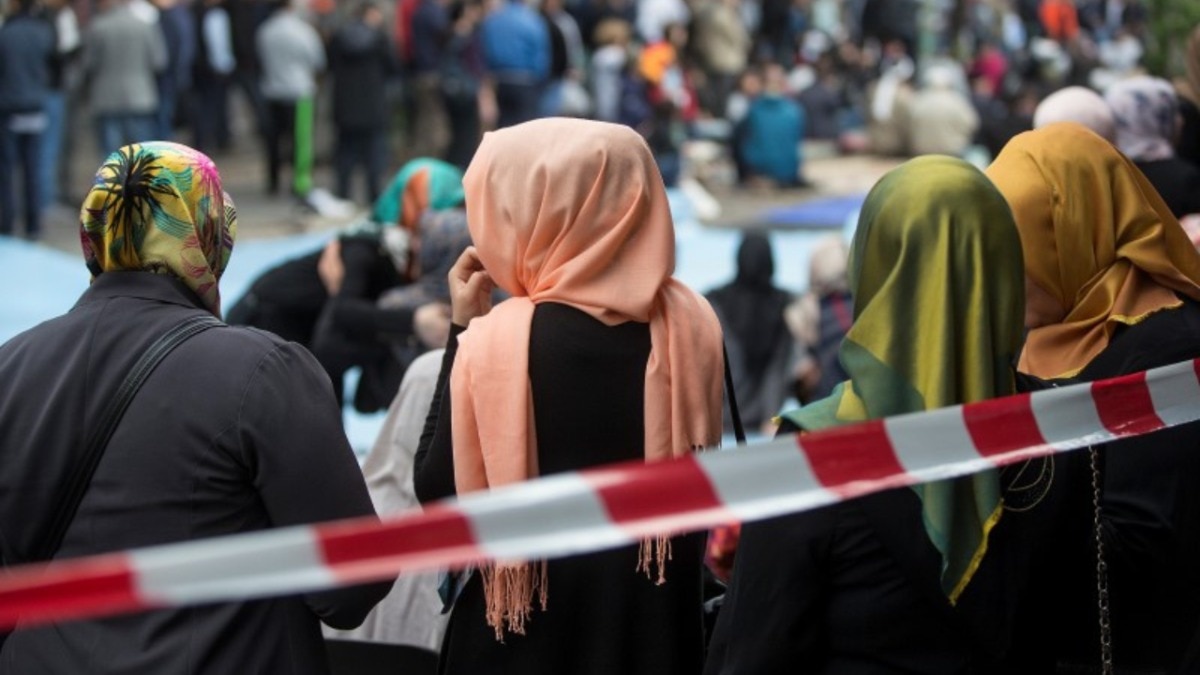
Image used for representational purposes only

Unitednations,UPDATED: Sep 18, 2026 01:58 IST
Russia and China on Thursday vetoed a United Nations Security Council resolution that would have allowed UN experts to continue monitoring sanctions reimposed on Iran over its nuclear programme. The US-drafted proposal was defeated 11-2, with Somalia and Pakistan abstaining.
The vote came as Washington pushes a wider campaign to isolate Tehran from its remaining economic partners. The Security Council sanctions remain in force and include freezing Iran's assets abroad, stopping arms deals with Tehran and penalising any development of its ballistic missile programme.
The sanctions were reimposed on September 27, 2025, after France, Germany and the United Kingdom used a provision in the 2015 nuclear deal with Iran to trigger the "snapback" mechanism. That step also restored the Security Council sanctions committee and authorised a panel of UN experts to monitor implementation. The United States had sought to extend that panel's mandate by a year.
Since Israel and the US struck Iran's nuclear sites in June 2025, UN nuclear inspectors have not been able to verify the status of Iran's stockpile of enriched uranium. According to the UN nuclear watchdog, Iran had a stockpile of 440.9 kilograms of uranium enriched up to 60 per cent purity, which is a short technical step away from weapons-grade levels of 90 per cent. Iran's UN mission thanked China and Russia for the vetoes, saying on social media that they had "prevented yet another cynical attempt by the United States and its allies to abuse the Security Council for their political purposes".
US deputy ambassador to the UN Jennifer Locetta said Washington was not surprised by the vetoes because the experts "would have shined the light" on prohibited cooperation between Iran and its partners. She said the vetoes were part of a broader effort to block expert monitoring of sanctions and even the appointment of panel members, "to stifle reporting that implicates their own activities in support of rogue regimes". Locetta added that although the Iran panel was authorised a year ago and Secretary-General Antonio Guterres had proposed members, they were never approved. "Without an independent panel of experts, this council loses its principal source of impartial, evidence-based reporting on sanctions violations, creating a monitoring gap that only benefits the Iranian regime and those who profit from evading those measures," she said. She also pointed to other cases, saying a Russian veto ended UN monitoring of sanctions on North Korea in March 2024, sanctions in Mali were terminated, and expert appointments in Yemen and the Central African Republic had been delayed or refused.
Russian UN Ambassador Vassily Nebenzia repeated Moscow's position that the "snapback" of sanctions against Iran was illegal and said the resolution to extend the experts' mandate "was deeply flawed and did not have any legal basis". He said Russia and China had strongly urged the US and its allies not to force a vote because it would increase tensions in the council, but Washington had "decided to opt for confrontation". French UN Ambassador Jerome Bonnafont, who is the current council president, said implementing sanctions is "a crucial instrument to encourage Iran" to return to its nuclear obligations, and France would study ways to ensure the measures are enforced. One possible option, he said, would be a monitoring team similar to the one set up after the North Korea panel was abolished, involving France, Germany, the UK and the United States.
In effect, Russia and China have blocked a new UN mechanism to track compliance with sanctions on Iran, even as the sanctions themselves remain in place and divisions deepen within the Security Council over how they should be enforced.
With PTI Inputs
- Ends
Published By:
India Today Web Desk
Published On:
Sep 18, 2026 01:58 IST