4 weeks ago
Saudi Arabia's key East-West oil pipeline has been shut after an attack, with repairs expected to take weeks. The disruption, alongside Houthi gains on Red Sea islands, has sharpened fears over oil supplies and Yemen's escalating war.

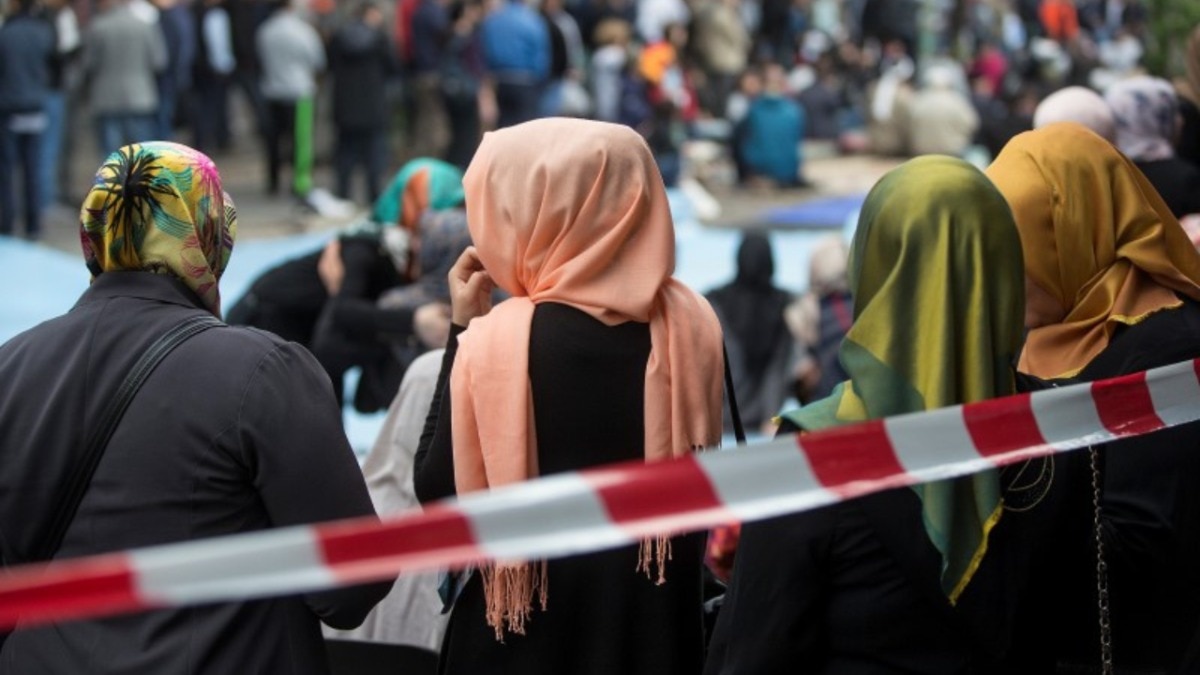
Image used for representational purposes only

Cairo,UPDATED: Sep 14, 2026 21:50 IST
A key Saudi oil pipeline hit in an attack is likely to remain mostly out of service for weeks as repairs are carried out, two regional officials said on Monday, while Yemen's Houthi rebels said they had captured more islands along Red Sea shipping routes. The twin developments have added to pressure on Saudi Arabia's oil exports and raised fresh concerns over global supplies.
Oil prices rose by more than 2 per cent as Saudi Arabia, the world's biggest oil exporter, faced renewed strain in getting crude to market. The kingdom has increasingly relied on its East-West Pipeline to move oil to the Red Sea after Iranian attacks disrupted shipping through the Strait of Hormuz, the only outlet from the Persian Gulf.
The East-West Pipeline runs about 1,200 km across Saudi Arabia, carrying crude from Gulf ports to Red Sea ports for export by tanker. Saudi authorities shut the line after Thursday's attack, which the kingdom blamed on drones launched by Iranian-backed militias in Iraq.
Repairing the damage, including at a major pumping facility, could take three to five weeks, the officials, who had been briefed on the matter, told The Associated Press. One of the officials said the line might operate partially during repairs, but neither could say how much oil would continue to flow. They spoke on condition of anonymity because they were not authorised to brief the media.
Based on the volume being exported each day from Yanbu, the pipeline appeared to be carrying about 4 million barrels of oil a day, or around 4 per cent of total global oil supplies, according to a report published earlier this year by Allison Minor, director of the Atlantic Council's Project for Middle East Integration. The pipeline's total capacity is up to 7 million barrels a day.
Saudi Aramco, which operates the pipeline, did not immediately respond to a request for comment. The government-run Centre for Communication, which deals with foreign media in the kingdom, said it was looking into an inquiry on how long the repairs would take.
At the same time, officials from Yemen's government and the Houthis said the Iranian-backed rebels had captured the strategic Greater and Lesser Hanish islands. The islands are about 160 km north of the Bab el-Mandeb Strait, a choke point linking the Red Sea to the open ocean and Saudi Arabia's key Asian markets. The Houthi advance also brings them to within 32 km of the US military base in Djibouti, across the strait.
For more than a month, the Houthis have been attacking Saudi oil sites and shipping in the Red Sea. According to two government officials and one Houthi official, the rebels moved onto the Hanish islands after hundreds of government-allied troops withdrew from the archipelago. They also spoke on condition of anonymity because they were not authorised to speak to journalists. Last week, the Houthis seized the port city of Mokha and the island of Mayun inside the Bab el-Mandeb Strait.
Government forces are now trying to regroup. Yemen's military said on Sunday that it had carried out airstrikes on Houthi positions in Mokha, the coastal town of Dhubab and other areas of Taiz province. A Houthi spokesman, Brig Gen Yahya Saree, said the group had fired dozens of missiles and drones at King Khalid Air Base in Khamis Mushait in southern Saudi Arabia, targeting hangars, radar systems and ammunition depots. His statement on Monday did not say when the attack happened, though the Houthis often claim responsibility hours or days later.
Saudi authorities sounded sirens in Khamis Mushait and nearby Abha on Sunday afternoon, warning residents to take shelter from possible incoming fire. Both places, near the Yemen border, have been repeatedly targeted in recent weeks. Saudi civil defence said one projectile landed near the border close to the Red Sea, injuring two people and damaging a mosque. There was no immediate Saudi response to the Houthi claim that the air base had been hit.
The fighting has pushed Yemen closer to full civil war again after a truce that had largely kept the peace since 2022. Along with their advance on the Red Sea coast, the Houthis have stepped up operations inland, especially in Taiz, which has long been a battleground. Yemen's Human Rights Ministry said about 150 civilians had been killed since 3 September, including a pregnant woman killed on Saturday in a village in Taiz province, and more than 200 had been wounded.
Khanzad Shah, acting head of Islamic Relief, said thousands of families had fled their homes in Taiz and nearby provinces in the past day. He said, "Many of them don't have enough food or water as they had to flee with whatever they could carry. In some areas, whole villages have reportedly emptied." The United Nations has said more than 80,000 people have been displaced in the past two weeks, including over 2,000 who fled by boat to Djibouti.
The renewed violence threatens to deepen a war that has killed more than 150,000 people over the past decade and pushed Yemen to the brink of famine. Since 2014, the Houthis have controlled the north, including Sanaa and much of the populated western heartland, while the internationally recognised government and allied militias hold the south and east, including Aden. Even as Houthi attacks hit oil facilities and shipping, Saudi Arabia has appeared reluctant to fully re-enter the conflict, leaving the pipeline disruption, rebel advances and worsening humanitarian crisis at the centre of the latest escalation.
With PTI Inputs
- Ends
Published By:
India Today Web Desk
Published On:
Sep 14, 2026 21:50 IST