 3 weeks ago
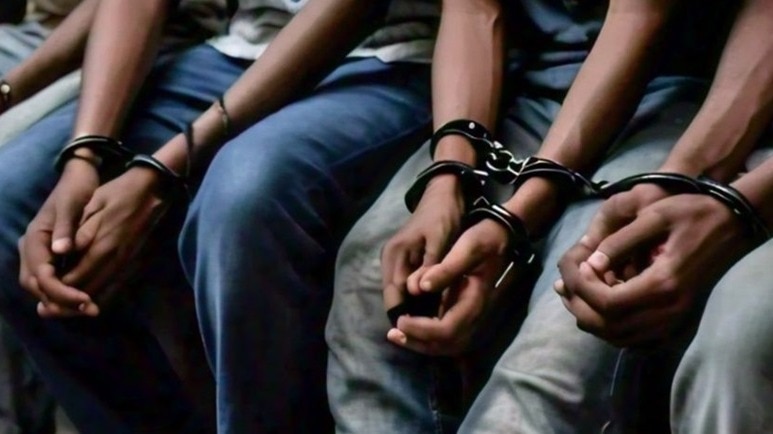
A Sri Lankan court has found 15 of the 24 accused guilty in the 2019 Easter Sunday bombings case. The verdict follows a nearly five-year trial that also kept focus on the wider terror network and prior intelligence failures.
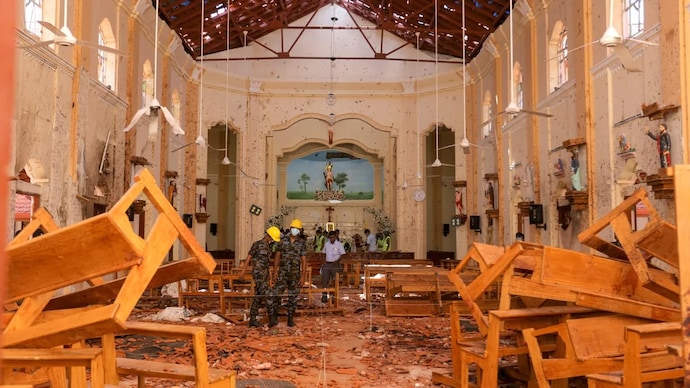
A series of suicide bombings took place in three cities in Sri Lanka on Easter Sunday on April 21, 2019. (File Photo/Reuters)

Colombo,UPDATED: Sep 22, 2026 22:06 IST
A Sri Lankan court on Tuesday found 15 of the 24 accused guilty of involvement in the 2019 Easter Sunday suicide attacks, which killed 270 people, including 11 Indians, and injured over 500 others.
Nine suicide bombers belonging to the local Islamist extremist group Thawheed Jamaat, linked to ISIS, carried out a series of devastating blasts that tore through three Catholic churches and as many luxury hotels on April 21, 2019, killing nearly 270 people, including 11 Indians, and injuring over 500.
The three-judge High Court Trial-at-Bar comprising Judges Navaratne Marasinghe, Ramanathan Kannan and Sujeewa Nissanka on Tuesday announced its verdict, convicting 15 accused, while acquitting nine others.
Mohammadu Ebrahim Mohammdu Naufer alias Naufar Moulavi, the prime accused, was among those convicted by the court after the trial, which lasted nearly five years. The sentencing is expected to take place shortly.
Initially, 25 accused were charged for their role in the bombings. As one of the suspects died, 24 were indicted in October 2021. A total of 23,270 charges were filed against them, and 2,309 witnesses testified for the prosecution.
The accused were charged under the Prevention of Terrorism Act (PTA) for murder and attempted murder, conspiracy to commit terrorism, aiding and abetting, and possessing and handling firearms and explosives.
Naufar's links to extremist Zaharan Hashim, the leader of the Thowhith Jamaath, were also investigated. Hashim was one of the suicide bombers who carried out the blast at the Shangri La Hotel.
In July, former police chief Pujith Jayasundera and Hemasiri Fernando, the then top bureaucrat in the Ministry of Defence, were handed the death sentence after being found guilty of criminal dereliction of duty for failing to act on prior intelligence that could have prevented the attacks.
The attack stirred a political storm as then President Maithripala Sirisena and then Prime Minister Ranil Wickremesinghe were blamed for their inability to prevent the attacks despite prior intelligence being made available.
A presidential panel of inquiry appointed by Sirisena after the attacks ironically found the then-president guilty of his failure to prevent the attacks. Sirisena, however, pleaded not guilty to the charge in the case filed after the panel's findings.
Sirisena and the top defence hierarchy were ordered to pay multiple millions of rupees as compensation to the kith and kin of the blast victims in the fundamental rights petitions verdicts delivered in 2023.
- Ends
Published By:
Priyanka Kumari
Published On:
Sep 22, 2026 22:06 IST