1 month ago
Last Updated:March 15, 2026, 20:50 IST
Sri Lanka reintroduced the Fuel Pass (QR code) to manage fuel distribution amid West Asia tensions.


Vehicles queue at a fuel station as concerns grow over fuel supply following US-Israel conflict with Iran, in Ratnapura, Sri Lanka. (IMAGE: REUTERS)
Long queues were reported at several filling stations across Sri Lanka after the government relaunched the Fuel Pass (QR code) system.
The Sri Lankan government said the QR-based fuel distribution system has been reintroduced as a precautionary measure to manage domestic fuel reserves in the wake of the escalating tensions in West Asia.
“The Government of Sri Lanka has decided to implement the Fuel Authorization System using QR codes for fuel distribution with effect from 6.00 a.m. on March 15, 2026", the Ministry of Energy said in a statement.
Under the system, fuel will only be issued to vehicles with a valid QR code. In addition, weekly fuel quotas have been established according to vehicle categories, Daily Mirror reports.
Motorcycles will be provided 5 litres per week, while motor cars and three-wheelers are allowed 15 litres. Vans will be provided 40 litres, buses 60 litres, and motor lorries up to 200 litres, the report added.
What Is QR-Based Fuel System?
A QR-based fuel system is a digital solution used at petrol stations to manage fuel quotas and payments through scannable Quick Response (QR) codes.
In regions facing fuel crises, a QR-based fuel system is used to regulate distribution. Under this, vehicle owners are required to register their NIC/Passport and vehicle details on a government portal to receive a unique QR code.
Fuel is provided on the basis of a specific weekly allowance.
West Asia Crisis
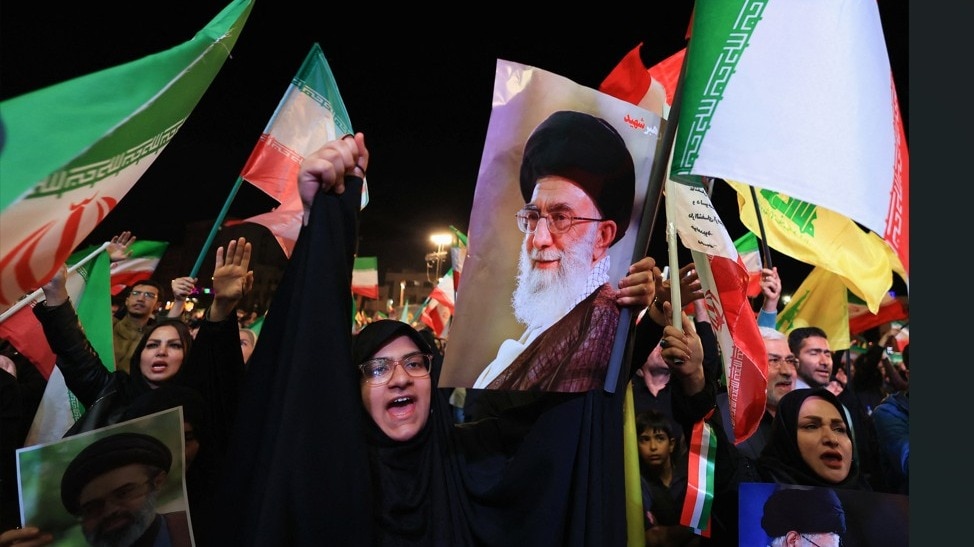
The fuel crisis stems from the ongoing tensions in West Asia, following the February 28 coordinated US-Israeli strikes against Iran and the subsequent retaliatory actions by Tehran across the Gulf nations.
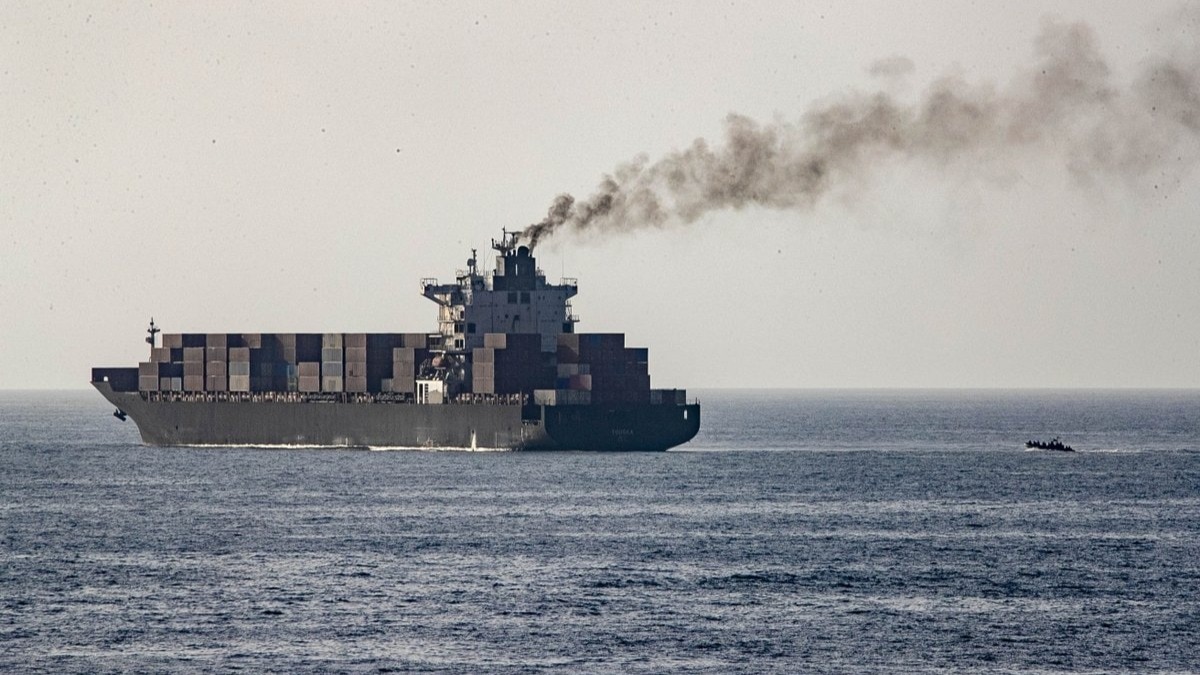
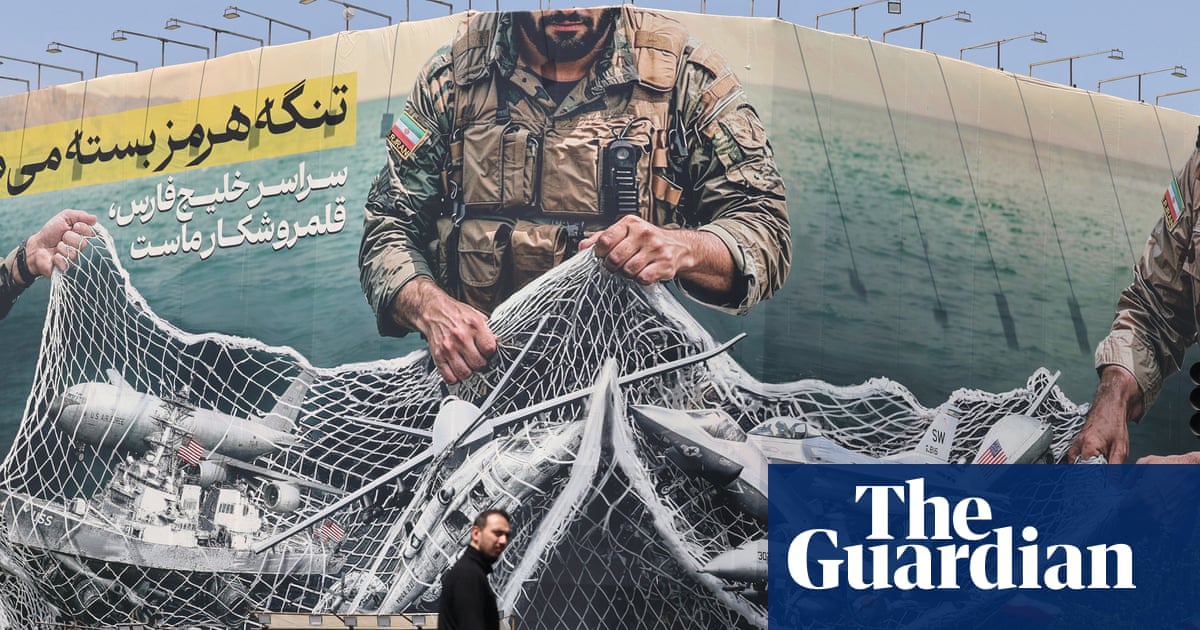
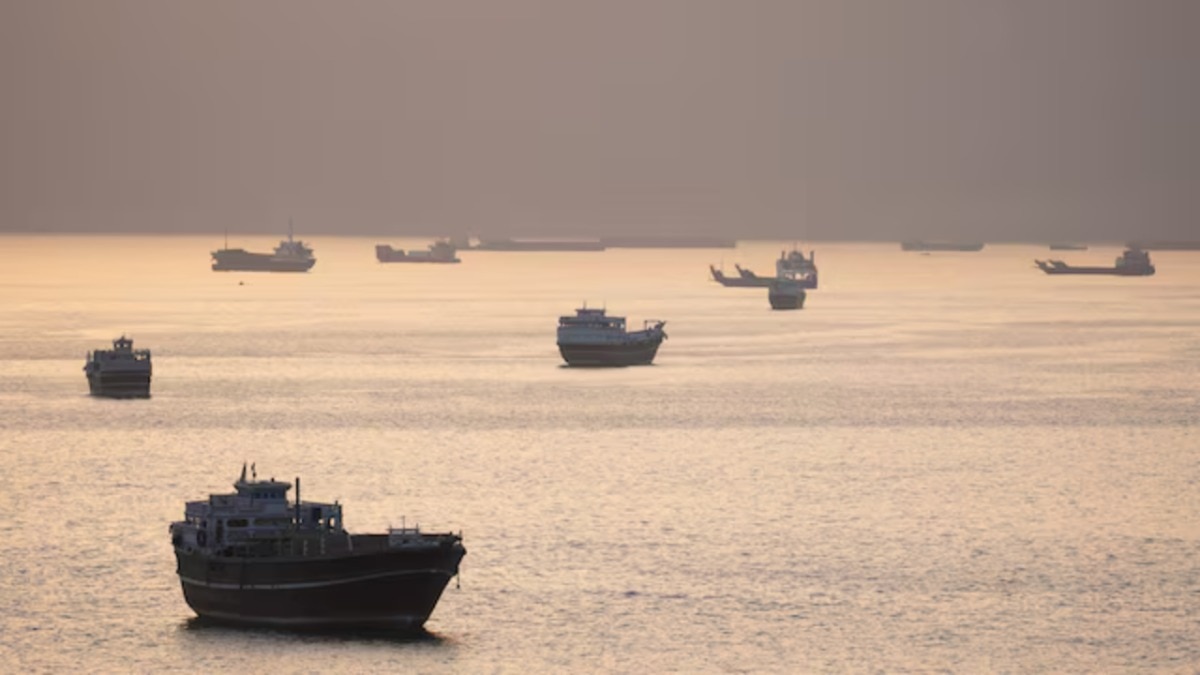
The blockade of the Strait of Hormuz — a crucial maritime chokepoint — resulted into a global oil and gas crisis. Addressing the concern, Iran’s Foreign Minister Abbas Araghchi said that the strait remains operational for international shipping.
However, he added that vessels linked to the United States and Israel are not allowed to pass through the waterway.
First Published:
March 15, 2026, 20:45 IST
News world Sri Lanka Relaunches QR-Based Fuel System Amid West Asia Crisis | What Is It?
Disclaimer: Comments reflect users’ views, not News18’s. Please keep discussions respectful and constructive. Abusive, defamatory, or illegal comments will be removed. News18 may disable any comment at its discretion. By posting, you agree to our Terms of Use and Privacy Policy.
Read More