1 month ago
From Egypt to Pakistan, the sectarian geography shows that US-Israeli strikes on Tehran are more than a bilateral conflict.
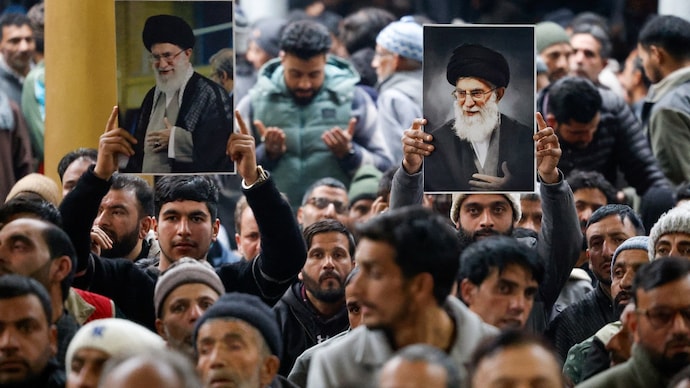
Shi'ite Muslims hold pictures of Iran's Supreme Leader Ayatollah Ali Khamenei.

New Delhi,UPDATED: Mar 1, 2026 16:27 IST
The United States and Israel struck Tehran and other Iranian cities Saturday, targeting a country that sits at the centre of Islam's oldest political fault line. Iran is 90 to 95 per cent Shia Muslim, the world's largest Shia-majority nation according to Pew Research Centre data, and the anchor of a sectarian geography stretching from the Mediterranean to the Hindu Kush.
That geography is now at the centre of a war.
THE SHIA CRESCENT
Shia Muslims make up roughly 15 per cent of the world's Muslim population. The vast majority, about 85 per cent, are Sunni, according to Pew Research Centre estimates. But that minority is heavily concentrated in a corridor running from Lebanon through Iraq to Iran: the "Shia crescent," a term coined by Jordan's King Abdullah II in 2004.
Lebanon's Hezbollah is Shia, backed by Tehran. Iraq, by far the most populous Arab-majority Shia country in the world, with about two-thirds of its Muslim population identifying as Shia, maintains deep ties to Iran. Bahrain, where 65 to 75 per cent of Muslims are Shia, but the ruling monarchy is Sunni, has been a pressure point for decades.
Yemen's Houthi movement draws from the Zaidi Shia tradition, one reason Iran has backed it in the civil war. Shia make up 35 to 40 per cent of Yemen's Muslim population, concentrated in the north.
That network of Shia-majority or Shia-significant populations gives Iran reach far beyond its borders. A strike on Tehran is not a strike on one country. It is a strike at the centre of a transnational religious and political alliance.
THE ROOTS OF THE DIVIDE
The split between Sunni and Shia Islam dates to 680 CE, when Husayn, a grandson of the Prophet Muhammad, was killed at Karbala, in what is now Iraq, by forces loyal to the Umayyad caliph. The massacre cemented a dispute over Islamic leadership that had begun with Muhammad's death in 632 CE into a permanent theological and political fracture.
For most of the past 14 centuries, the two traditions have coexisted -- often in the same neighbourhoods, the same families, the same mosques. The political rupture runs not between ordinary believers but between states, and Iran's Islamic Republic has made itself the foremost champion of that rupture, casting its foreign policy as the defence of Shia Muslims everywhere.
The domestic fracture
Iran was already cracking before the strikes. Mass protests broke out in late December 2025, initially driven by the economic crisis. Bazaar merchants in Tehran walked out first; demonstrations then spread to campuses and to cities including Isfahan, Shiraz, and Mashhad, growing into the biggest unrest since the 2022 protests over Mahsa Amini's death in custody. As the movement widened, economic demands gave way to political ones. "Death to the Dictator," protesters chanted, according to accounts from inside Iran.
The death toll remains disputed. Iranian doctors cited by The Sunday Times reported more than 16,500 killed and 330,000 injured. Iran's Interior Ministry acknowledged 3,117 deaths.
THE OIL DIMENSION
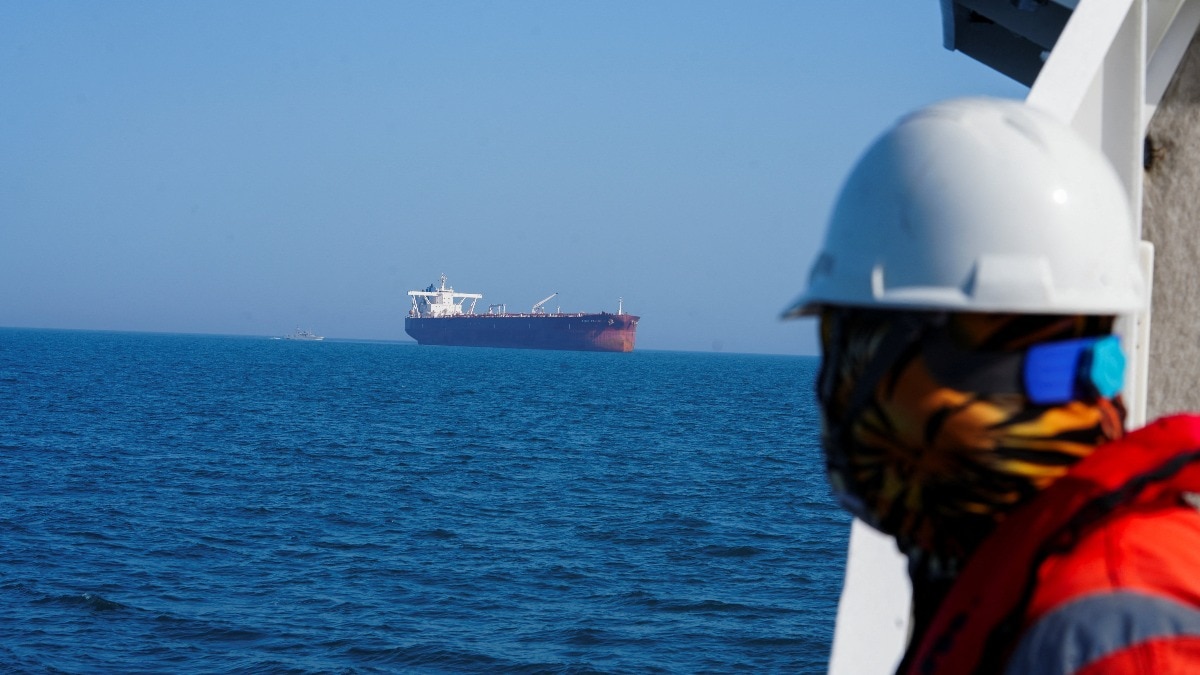
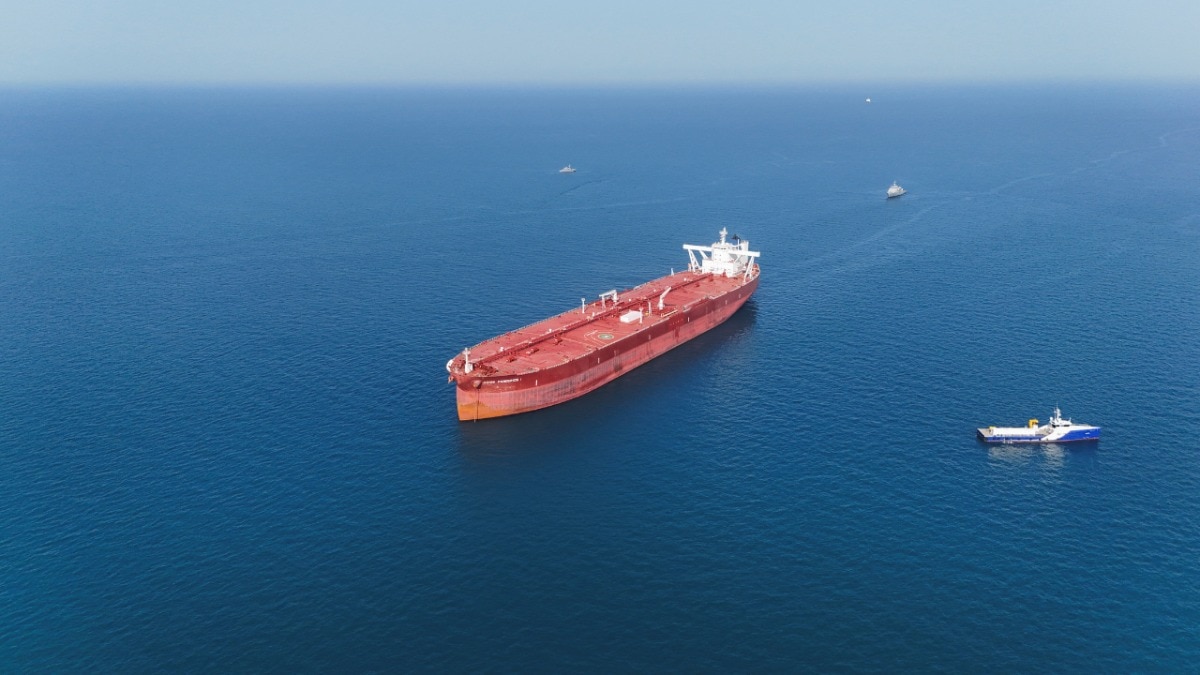
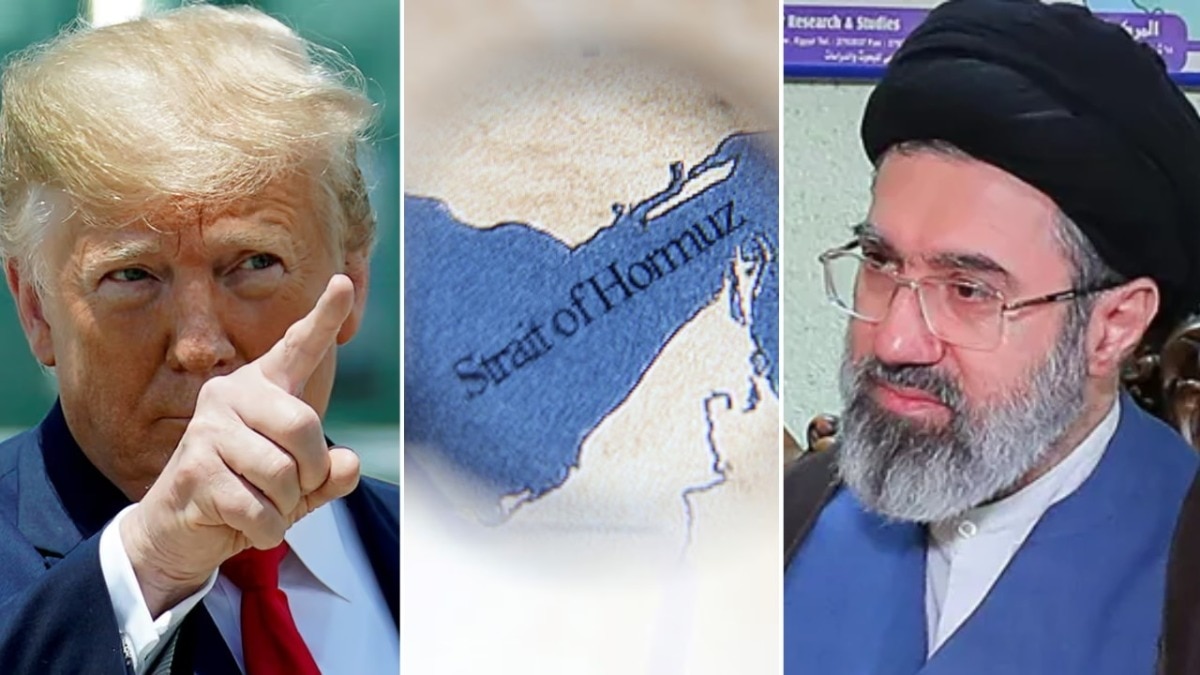
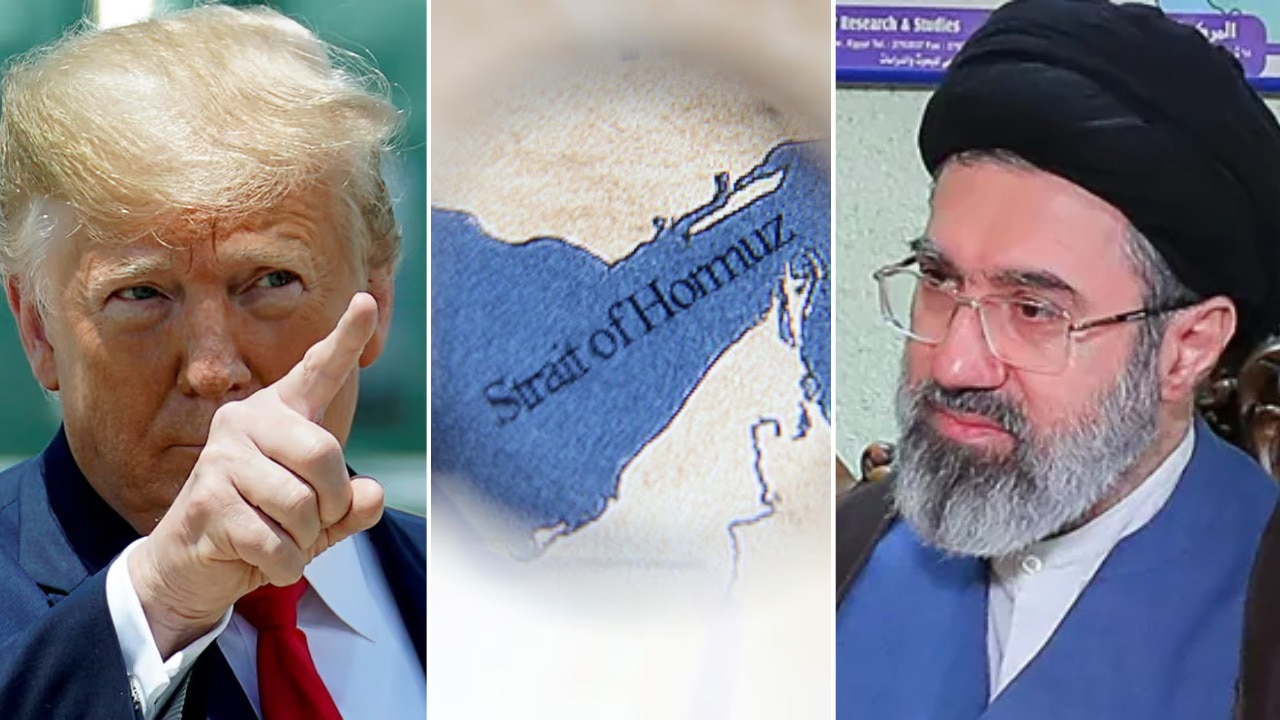
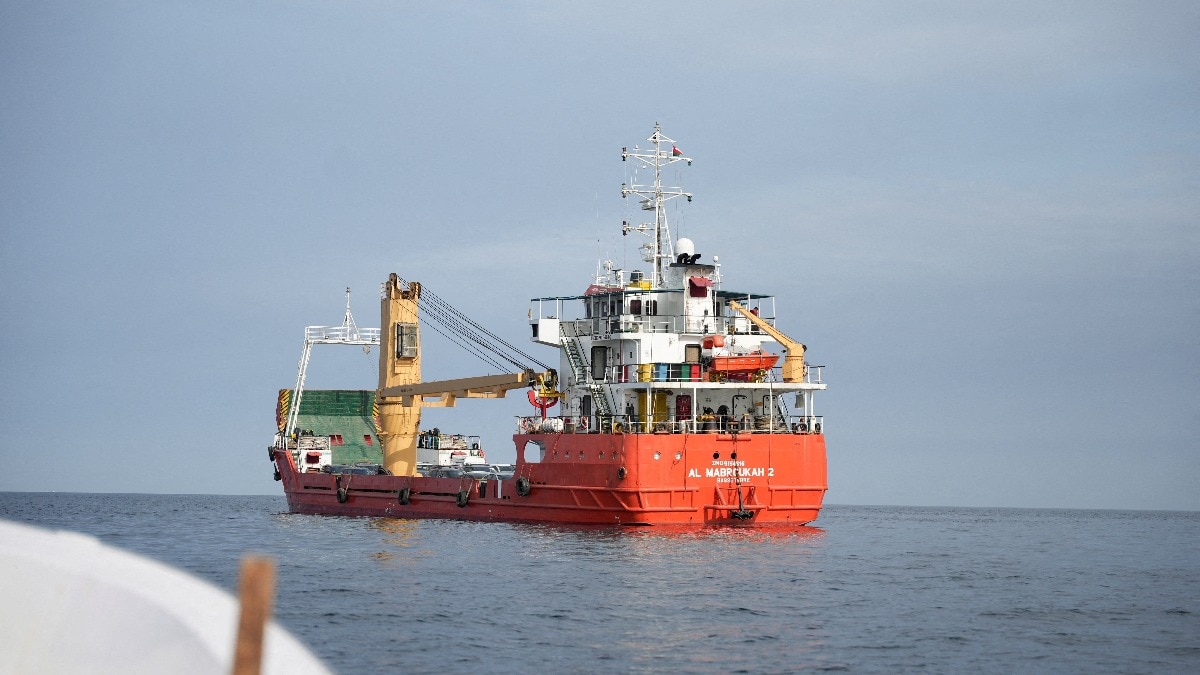
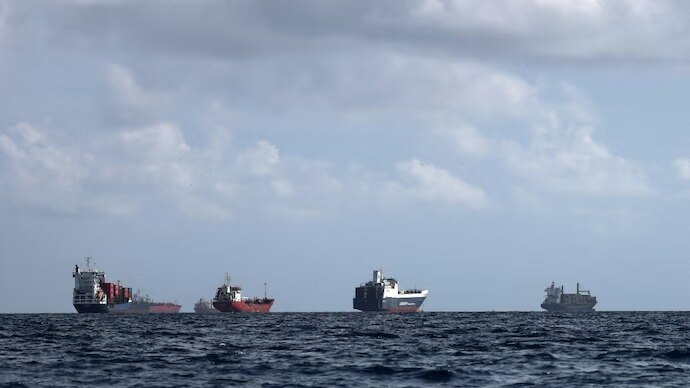
The Strait of Hormuz, which Iran can threaten to close, handles about 25 per cent of global oil and gas traffic. Iran's own oil export revenues were $51 billion in 2024, well below Saudi Arabia's $237 billion or Iraq's $110 billion. But its control over the strait gives it disproportionate economic power over neighbours that earn far more from the same waterways.
WHAT THE MAP CANNOT SHOW
The sectarian map has real limits. In daily life across the region, the divide rarely maps onto how people actually live; mixed marriages, shared mosques, and neighbourhoods where the two traditions have long been indistinguishable. The conflict that matters here is between governments, not congregations.
Pakistan, where Shias make up 10 to 15 per cent of a Muslim population of more than 200 million, has the world's third-largest Shia community in absolute terms, more than 20 million people, yet it has no equivalent political alliance with Tehran. And Oman, which appears in neither the Sunni nor Shia column on the map, is majority Ibadi, a third tradition entirely, which partly explains its historically neutral foreign policy.
- Ends
Published By:
Satyam Singh
Published On:
Mar 1, 2026 16:27 IST