1 month ago
Last Updated:March 16, 2026, 10:03 IST
Even as both sides speak about how the war could eventually end, their public messaging shows little sign of an immediate diplomatic breakthrough.


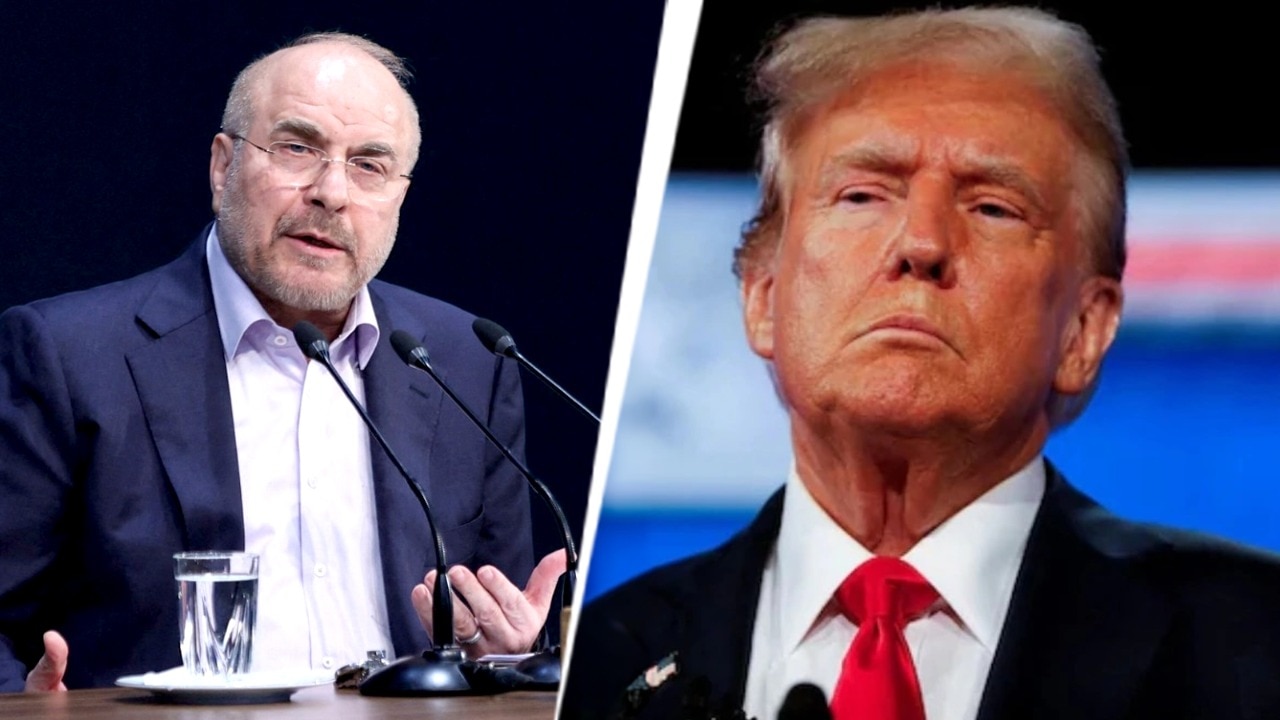
Iran Foreign Minister Abbas Araghchi and US President Donald Trump
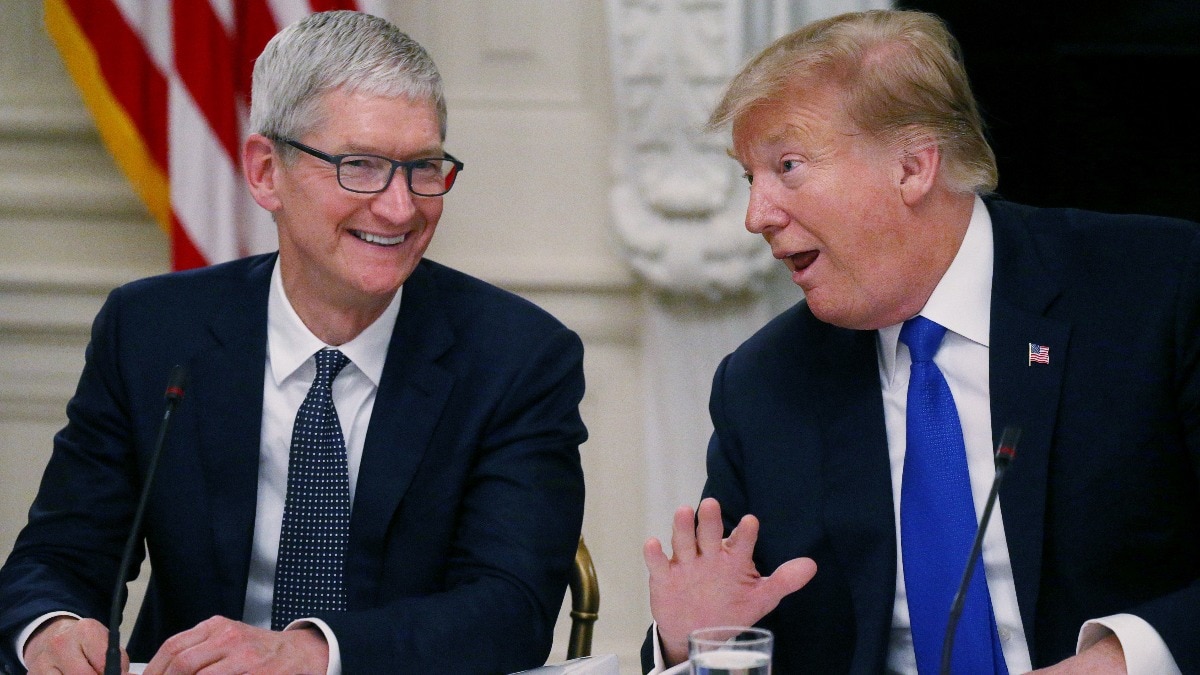
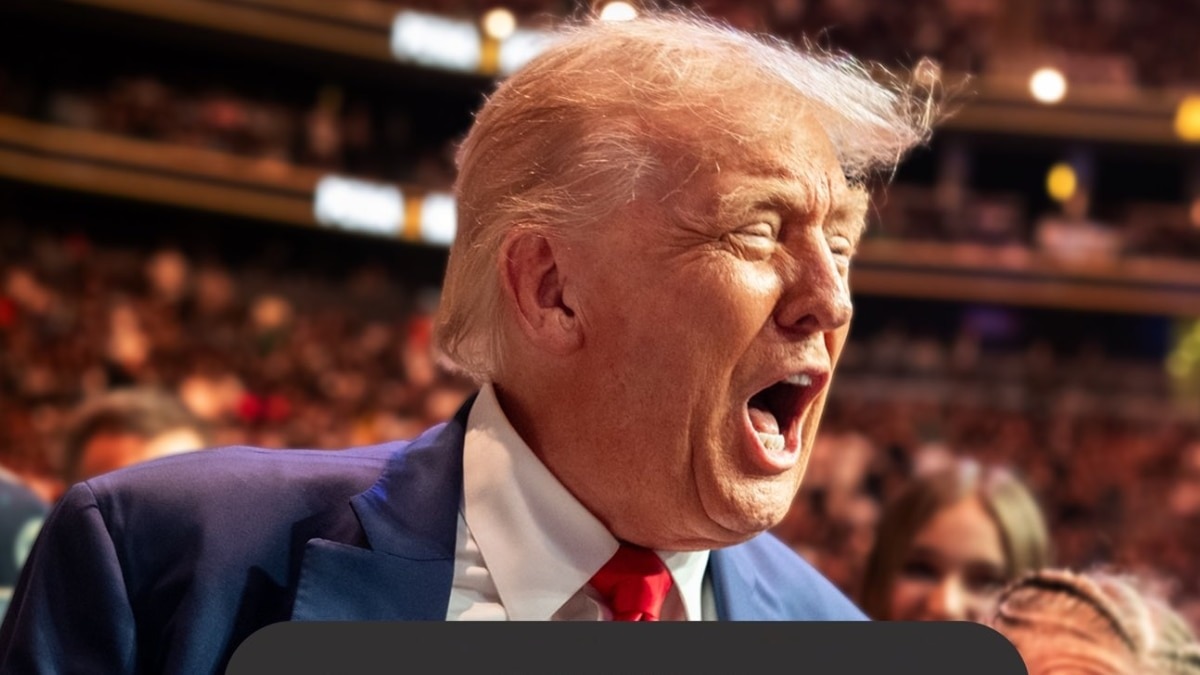
When will the US-Israel-Iran war end? The latest exchange between Washington and Tehran suggests the answer remains uncertain, with both sides publicly sticking to sharply different narratives about how the conflict could conclude. US President Donald Trump has claimed that Iran is eager to negotiate, saying Tehran “wants to negotiate badly" to bring the war to an end. The US president has also projected confidence about the military campaign, suggesting that American forces are already “very far ahead" of the timeline initially expected for the conflict.
However, Iran Foreign Minister Abbas Araghchi has firmly rejected that portrayal. In an interview with CBS News, Araghchi dismissed claims that Tehran is seeking negotiations, saying such suggestions are “delusional." He insisted Iran “has neither sought a truce nor talks" and argued that there is currently “no reason" for Tehran to engage with Washington. At the same time, he made clear that Iran intends to continue resisting the US campaign, describing the conflict as “a war of choice by President Trump" and adding that Iran will keep defending itself until Washington recognises that it is “an illegal war with no victory."
Araghchi also signalled that Iran is trying to maintain strategic leverage rather than rush towards a settlement. Referring to tensions around the Strait of Hormuz, he said Iran has not closed the vital shipping route but that “it is up to our military to decide whether or not to allow safe passage for their ships." According to him, “many countries have approached us asking for safe passage," and Tehran is open to discussing maritime security with them. The message suggests that while Iran is willing to engage with other countries on shipping safety, it is not prepared to enter direct negotiations with the United States for now.
Iran Will ‘End It On Its Own Terms’
Iran has indicated that it is not opposed to ending the conflict, but only if the terms change significantly. Tehran has suggested it could accept a “complete end to the war," but insists that attacks against it must stop first and that any settlement must ensure its security. In other words, Iran is signalling openness to peace — but not to a deal reached under military pressure or on terms dictated by Washington.
Foreign Minister Abbas Araghchi strongly rejected claims by Donald Trump that Iran is seeking negotiations, saying Tehran “has neither sought a truce nor talks" and calling such suggestions “delusional." He added that Iran will continue defending itself until Washington recognises that it is “an illegal war with no victory," stressing that Tehran “doesn’t see any reason why we should talk with Americans" while the conflict continues.
US Says Deal Possible But Terms Unacceptable
The United States has suggested that a deal to end the war is possible, but says the conditions being discussed are not acceptable yet. Donald Trump has repeatedly claimed that Iran is eager to negotiate, saying Tehran “wants to negotiate badly" as the pressure from the conflict mounts. However, he has also indicated that Washington is not prepared to rush into an agreement if it does not meet US strategic goals.
Trump has stressed that any settlement must be “a very solid deal," suggesting the United States wants stronger guarantees before ending the military campaign. This could include tighter limits on Iran’s military and nuclear capabilities as well as assurances that Tehran will not threaten regional stability. In effect, while Washington says diplomacy remains possible, its position suggests the war will continue until Iran agrees to terms that the US considers strong enough to justify ending the conflict.
No Side Taking The First Step To Peace Talks Yet
Even as both sides speak about how the war could eventually end, their public messaging shows little sign of an immediate diplomatic breakthrough. Donald Trump has claimed that Iran is under growing pressure and “wants to negotiate badly" to end the conflict. However, Washington has not indicated that it is ready to move towards talks yet, with the US leadership stressing that any potential agreement must meet its strategic objectives before military operations are scaled back.
Tehran, for its part, is firmly rejecting the suggestion that it is seeking negotiations. Iran’s Foreign Minister Abbas Araghchi said the country “has neither sought a truce nor talks" and dismissed such claims as “delusional." His remarks underline the current diplomatic impasse: while both Washington and Tehran are framing the debate around how the war might end, neither side appears willing — at least publicly — to initiate direct peace talks at this stage.
Strait of Hormuz: A Bargaining Tool
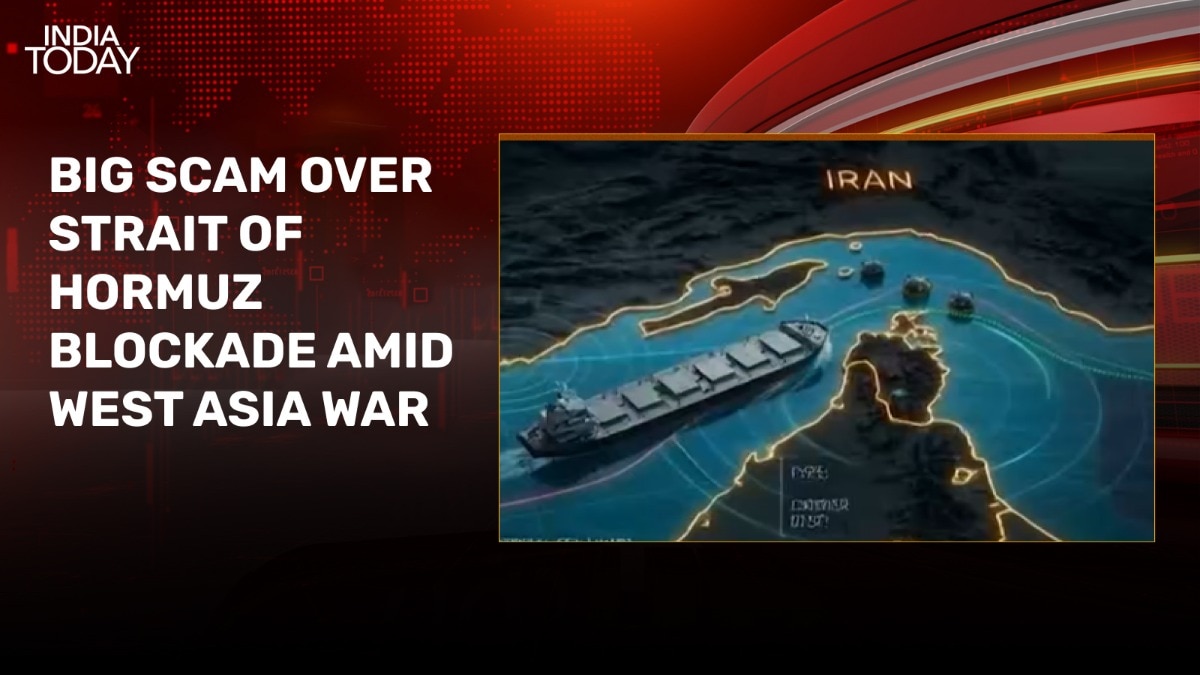
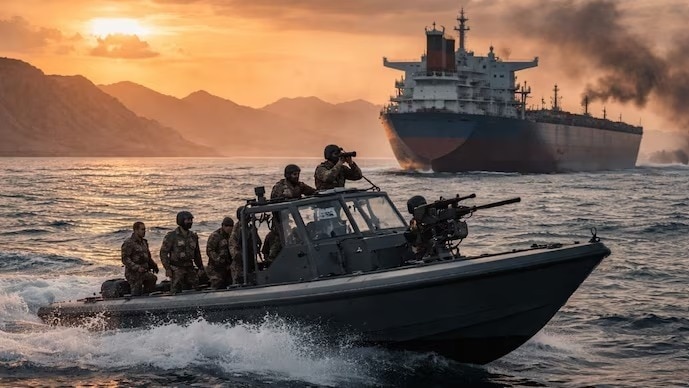
Another major signal about how the conflict could evolve lies in the growing focus on the Strait of Hormuz, one of the world’s most critical energy corridors. A significant portion of global oil shipments passes through the narrow waterway, making it a strategic pressure point in the conflict. Iran has stressed that it has not formally closed the strait, but its officials have made it clear that security conditions there are directly linked to the ongoing war.
Iran’s Foreign Minister Abbas Araghchi said that “our military has decided to let vessels belonging to different countries pass, safe and secure," while adding that “it is up to our military to decide whether or not to allow safe passage for their ships." He also revealed that “many countries have approached us asking for safe passage for their ships." The remarks suggest that Tehran is signalling its ability to influence shipping without announcing an outright blockade.
At the same time, Donald Trump has urged other countries that depend heavily on Gulf oil to help secure the waterway, saying nations receiving energy through the route should help “protect that passage." Washington has reportedly reached out to several countries to join a coalition to escort ships through the strait. However, the response from allies has been cautious. Countries such as Japan and Australia have indicated they are not planning to send naval vessels for now, highlighting the reluctance among some US partners to get directly involved in the conflict.
The Strait of Hormuz has emerged as a central pressure point in the war. By demonstrating its ability to influence shipping through one of the world’s busiest oil routes, Iran is raising the economic stakes of the conflict — while the US is trying to internationalise the effort to keep the passage open.
A Longer War?
Despite Donald Trump suggesting that the war could end relatively quickly, developments on the ground indicate that both sides are preparing for a prolonged confrontation. The conflict has already seen a dramatic escalation, including the killing of Iran’s Supreme Leader Ali Khamenei in US-Israeli strikes — one of the most significant blows to Iran’s leadership since the 1979 revolution. Yet rather than forcing Tehran to immediately seek peace, the attacks appear to have hardened Iran’s stance, with its leadership and military signalling continued resistance.
Iran has framed the loss of Khamenei and other senior officials as a rallying point rather than a reason to end the war. Officials have called for “national unity and cohesion" and vowed to continue defending the country despite the leadership decapitation strikes. This suggests Tehran is preparing for a longer struggle aimed at demonstrating resilience even after major losses. Washington, meanwhile, remains insistent on tougher terms before any deal.
The signals from both sides point to a conflict that is still in a pressure-building phase — where military actions and strategic leverage may continue before any serious settlement emerges.
First Published:
March 16, 2026, 10:03 IST
News world The War That Won’t End Yet: Takeaways From Trump’s Pressure Tactics And Iran’s Defiance
Disclaimer: Comments reflect users’ views, not News18’s. Please keep discussions respectful and constructive. Abusive, defamatory, or illegal comments will be removed. News18 may disable any comment at its discretion. By posting, you agree to our Terms of Use and Privacy Policy.
Read More