1 month ago
Bremmer suggested Trump may prefer de-escalation amid mounting domestic scrutiny, seeking to deflect blame for rising geopolitical tensions and economic fallout caused by the ongoing US-Iran conflict.

Political scientist and chairperson of the Eurasia Group Ian Bremmer. (File Photo- ITG)

New Delhi,UPDATED: Apr 10, 2026 23:48 IST
Political scientist Ian Bremmer on Friday decoded the US-Iran ceasefire efforts and the upcoming talks in Pakistan, indicating that US President Donald Trump may just be buying time, under the garb of the dialogue, for its troops to reach Iran and begin a ground operation to take the oil-rich Kharg Island.
While admitting that it may not be easy for the US military, Bremmer hoped that Trump might just want to de-escalate as he has been facing a lot of scrutiny back home and may look to deflect the blame for geopolitical and economic tensions around the world as a byproduct of the ongoing conflict.
Speaking to India Today’s Rajdeep Sardesai, Bremmer indicated that Trump’s repeated references to oil and strategic assets point toward a longer-term objective.
"Trump's just trying to talk the markets up, talk oil prices down, until he has troops in the region that are ready to do the ground attacks that he wants. And that's why he keeps talking about taking the oil, is he wants to control Kharg Island, where the Iranians export ninety percent of their oil, and he wants to use that as a lever against the Iranians disrupting the strait".
"But you could argue that he doesn't have that military option until all those troops show up. So in the interim, there's going to be peace talks. Even if you don't believe they're going anywhere, you'll still do better for having tried," he added.
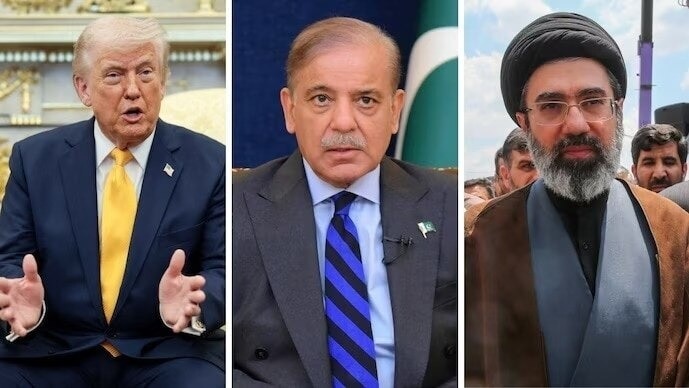
His remarks came as US Vice President JD Vance, along with his team, was on his way to Islamabad, while an Iranian delegation also left for Pakistan for the ceasefire talks to be held in the next 24 hours.
Bremmer, however, cautioned that such a move would come with severe economic consequences.
Despite the rhetoric, Bremmer believes Trump may ultimately prefer de-escalation.
"President Trump really doesn't want to restart this war. He really doesn't want it to escalate," he said, describing earlier threats against Iran as "never credible".
According to him, a full-scale escalation targeting Iranian infrastructure would provoke wider regional retaliation, something Washington is keen to avoid.
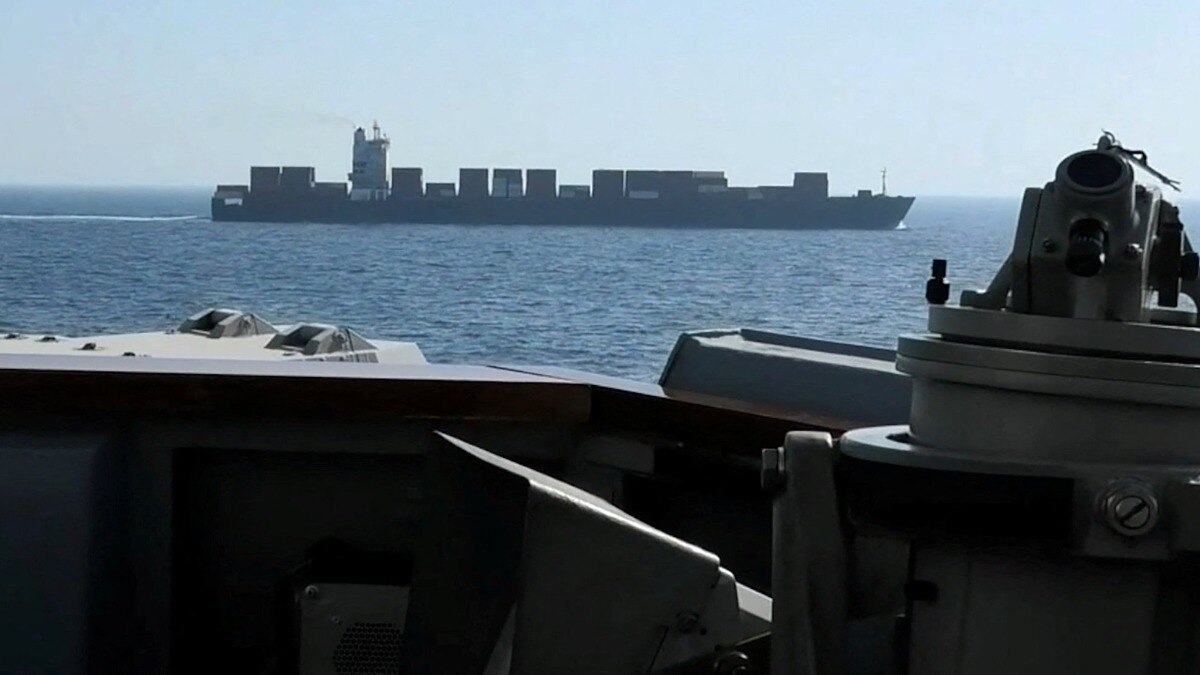
He warned, however, of prolonged economic disruption, particularly due to instability in the Strait of Hormuz. "I don't think the strait is going to be fully reopened in the foreseeable future. The knock-on economic consequences are massive," Bremmer said.
On Iran’s position, Bremmer downplayed the significance of Tehran’s negotiating posture. "The reason I'm focusing on Trump here is because Trump started the war," he said, arguing that US decisions will ultimately shape the trajectory of the conflict.
He added that Iran has developed a form of deterrence not through nuclear weapons, "but rather through having the ability and the willingness to engage in disruption in the strait".
While Iran is expected to participate in talks, Bremmer suggested they are unlikely to concede much.
"I expect that they will engage in further talks going forward, but they won't give up very much," he said, adding that the real question is "whether or not that matters to Trump".
Bremmer was also critical of Trump’s decision-making style, warning of risks tied to centralised authority.
"Trump is, uh, the decider. He's not listening to his experts," he said, adding that advisers may be overstating the president’s judgment. He argued that Trump "frequently makes decisions on the basis of his own personal interest and not the interest of the country," citing past foreign policy moves as examples.
Highlighting the domestic pressures facing the US president, Bremmer pointed to rising inflation and fuel prices.
"Trump has never had direct responsibility for a major economic downturn before and he is polling very badly," he said, suggesting that political and economic costs may push Trump toward de-escalation.
On the regional front, Bremmer noted growing instability and shifting alliances, including Pakistan’s emerging diplomatic role. However, he cautioned against overstating Islamabad’s global influence despite its involvement in facilitating talks.
Summing up the conflict, Bremmer was unequivocal: "There are no winners here". He pointed to Israel’s increasing isolation, economic disruption in the Gulf, and broader geopolitical instability as evidence that all sides are bearing significant costs in the ongoing crisis.
- Ends
Published On:
Apr 10, 2026 23:48 IST