1 month ago
US President Donald Trump announced sweeping tariff changes, including up to 100% duties on patented drug imports unless firms cut prices and shift production to the US. Trump also revised metal tariffs, reducing some duties, keeping others high, and changing how they are calculated.
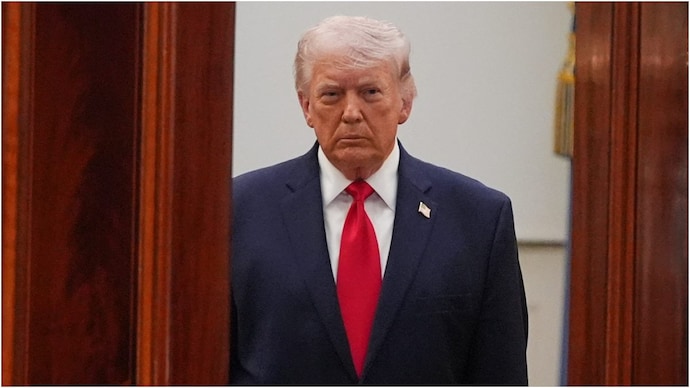
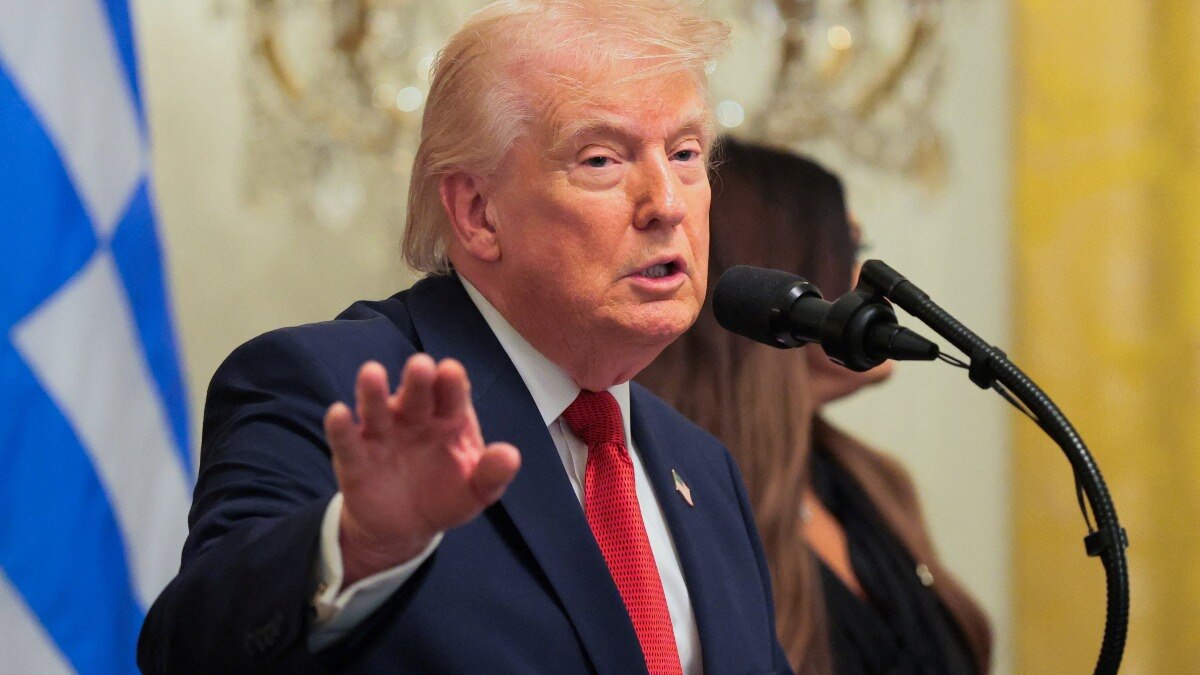
Donald Trump (Photo: AFP)

New Delhi,UPDATED: Apr 3, 2026 05:46 IST
US President Donald Trump has ordered sweeping changes to tariff policies, including imposing up to 100% duties on certain branded pharmaceutical imports and restructuring tariffs on steel, aluminium and copper products.
The move comes as the administration seeks to offset the collapse of broad global tariffs announced a year ago, which were later struck down by the Supreme Court. The latest measures are partly aimed at restoring lost tariff revenues but have drawn criticism from business groups amid rising energy costs linked to the ongoing Iran conflict.
Under a new proclamation based on a national security investigation into pharmaceutical imports, foreign manufacturers of patented drugs must agree to reduce prescription prices and shift production to the United States. Companies that comply fully can avoid tariffs, while those that only partially relocate manufacturing will face a 20% duty. Firms that fail to meet either condition will be subject to tariffs as high as 100%.
However, the tariffs will not apply uniformly across all countries. Trade agreements with the European Union, Japan, South Korea and Switzerland will cap branded drug tariffs at 15%. Additionally, the US and Britain have finalised a separate deal ensuring zero tariffs on British-made pharmaceuticals for at least three years, contingent on production expansion in the US
Large pharmaceutical companies have been given 120 days to comply with the new rules, while smaller producers have 180 days before the highest tariff rates take effect.
In a parallel move, Trump also announced revisions to metals tariffs. Duties on many derivative products made from steel, aluminum and copper have been halved to 25%, while tariffs have been eliminated for items containing minimal metal content. However, a 50% duty remains in place on core commodity imports of these metals.
The administration has also changed how tariffs are calculated, shifting from declared import value to the US sales price of metals, a move officials say addresses under-reporting practices.
Products with less than 15% metal content by weight will now be exempt from tariffs. Meanwhile, duties on certain metal-intensive industrial and power-grid equipment will be reduced to 15% from 50% through 2027 to support industrial and data centre expansion.
These changes mark a shift from Trump’s “Liberation Day” tariffs announced a year ago under the Emergency Economic Powers Act (IEEPA), which triggered global retaliation and legal challenges. In February, the Supreme Court ruled those tariffs illegal, leading to plans for refunding about $166 billion collected over the year.
US Trade Representative Jamieson Greer defended the broader tariff strategy, calling it a “reset button” for global trade and crediting it with boosting domestic manufacturing and securing concessions from trading partners.
However, industry groups have raised concerns. The US Chamber of Commerce warned that the new pharmaceutical tariffs could increase healthcare costs, while changes to metals duties may further strain manufacturing, construction and energy sectors already facing high input costs.
At the same time, steel industry representatives welcomed the revisions, saying the updated framework better targets support for domestic production without disrupting broader economic goals.
- Ends
Published By:
Akshat Trivedi
Published On:
Apr 3, 2026 05:46 IST
Tune In