4 weeks ago
For thousands of Indians dreaming of settling permanently in the United States, the Green Card is the final step towards turning years of temporary work, study and waiting into permanent residency. But a new immigration policy of the US President Donald Trump-led administration that will be implemented from Friday (September 18) could make that path more complicated, particularly for immigrants who rely on certain government benefits. The policy has already triggered a legal battle.
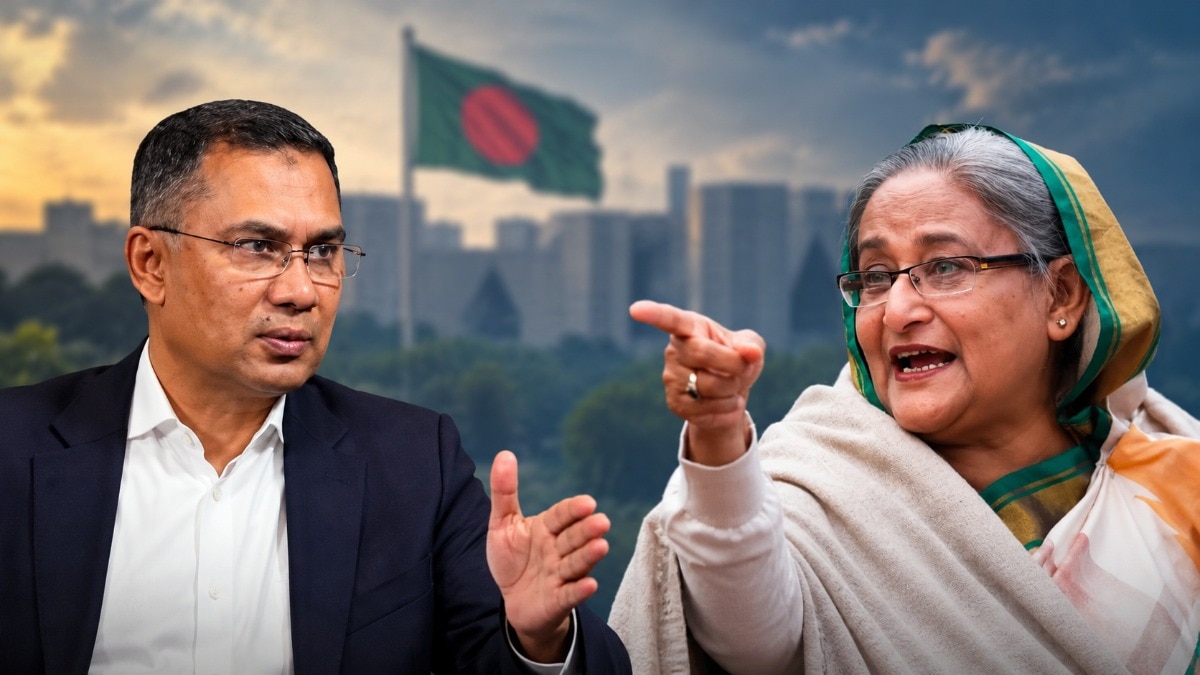
On September 14 (Monday), New York City Mayor Zohran Mamdani, who has emerged as a prominent Democratic voice on immigration, is leading one of two lawsuits challenging the rule, while a separate case has been filed by 22 US states and the District of Columbia against what they called a "catastrophic" policy.
At the heart of the dispute is a decades-old US immigration concept called the "public charge" rule. In simple terms, it asks whether a person seeking permanent residency is likely to become primarily dependent on the US government for financial support.
The Trump administration wants to broaden the range of government benefits that immigration officials can consider when making that assessment.
A Green Card, officially called a Permanent Resident Card, is the document that gives a foreign national permanent resident status in the US.
A Green Card holder can generally live and work permanently in the country and is no longer dependent on a temporary visa for their right to remain in the US. It is also an important step for many immigrants who eventually seek US citizenship.
For Indian nationals, the Green Card is particularly significant because employment-based immigration has long involved lengthy waits. Many Indians in the US spend years on temporary statuses while waiting for permanent residency.
The new policy that has been planned by the Trump government does not mean that every immigrant who receives a government benefit will automatically lose or be denied a Green Card. Instead, the concern is that the use of a wider range of benefits could become one factor immigration officials consider when assessing certain applications.
WHAT ARE THE NEW POLICY CHANGES THAT TRUMP IS TRYING TO IMPLEMENT?
The Trump administration's new policy revives and expands an approach it introduced during Trump's first term. Under the Joe Biden administration's narrower rules, immigration officials could consider an applicant's receipt of certain cash benefits, including Supplemental Security Income, but generally did not count non-cash benefits such as food stamps or Medicaid.
Trump's new policy brings those non-cash benefits back into consideration. That means programmes such as food assistance and Medicaid, which provides government-funded healthcare for eligible low-income people, could potentially become relevant in a Green Card assessment.
The key issue is therefore not simply "Did an immigrant use a government benefit?"
It is whether that use could contribute to an immigration officer concluding that the person is likely to become primarily dependent on government support.
WHY ARE MAMDANI AND OTHER US STATES FIGHTING IT?
The new policy is scheduled to take effect on September 18 (Friday), but Democratic-led states, cities and counties are trying to stop it in court.
One lawsuit has been filed by 22 states and Washington DC. A second has been brought by New York City and other local governments, including Chicago, San Francisco and Seattle.
Mamdani is leading the second legal challenge. At a press conference on Monday, Mamdani said the policy was already prompting some families to avoid benefits, including food assistance, healthcare and affordable housing, even when US-citizen children in those families were legally eligible for such programmes.
That fear is central to the lawsuits. The argument is that families could decide to stop using benefits they are legally entitled to because they worry that doing so could hurt a future immigration application.
THE FEAR EFFECT COULD BE BIGGER THAN THE RULE ITSELF
This is where the controversy over the new policy of Green Card visas has become particularly significant.
Many immigrants who do not have Green Cards are already ineligible for several US public-benefit programmes. But immigrant advocates and Democratic officials argue that the new policy could have a wider "chilling effect".
For example, imagine an immigrant family with children who are US citizens and therefore eligible for certain government assistance.
The parents might legally apply for those benefits on behalf of their children. But if they believe doing so could later affect their immigration prospects, they might simply stay away from the programmes.
In other words, the policy could influence behaviour even before an immigration officer makes a decision.
The Department of Homeland Security (DHS) itself estimates that about 950,000 people could choose to un-enroll from, or avoid enrolling in, public assistance programmes because of the policy.
WHY ARE STATES WORRIED OVER THE NEW GREEN CARD POLICY?
The lawsuits argue that the consequences could extend to state and local governments.
If families stop using food assistance or healthcare programmes, they might delay seeking medical treatment, potentially putting greater pressure on emergency rooms when health problems become more serious.
The states also argue that lower participation in federally funded programmes could affect local economies and reduce federal funding flowing into states.
This is why the legal challenge is not being framed solely as an immigration dispute. The states argue that the policy could affect "public health, state finances and local economies".
WHAT DOES TRUMP'S ADMINISTRATION SAY?
The Trump administration sees the issue very differently. Its position is that immigrants seeking permanent residency should be capable of supporting themselves rather than becoming primarily dependent on government resources.
According to the New York Times, the DHS has defended the policy as a way of protecting public resources and restoring what it describes as the basic principle of immigrant self-sufficiency.
DHS has also sharply criticised the states and cities challenging the rule, describing them as "sanctuary states" and accusing them of being concerned about losing federal funds if people leave public-benefit programmes.
WHAT DOES THIS NEW POLICY MEAN FOR INDIANS IN THE US?
For Indians, the biggest takeaway is that this is not a blanket rule saying Green Card applicants cannot use government benefits.
The impact will depend on the applicant's circumstances, the benefits involved and how immigration officials apply the new standard.
But the policy adds another layer of uncertainty for immigrants already navigating an extremely complicated US immigration system.
For an Indian professional who has spent years working in the US while waiting for permanent residency, the concern might not be limited to whether a benefit actually results in a Green Card denial. The bigger question could be whether using a benefit creates an additional issue that has to be explained or assessed during the immigration process.
And for mixed-status families, where parents are immigrants, but children are US citizens, the consequences could be even more complicated.
The Green Card policy also fits into a broader shift in Trump's immigration strategy.
The administration's immigration crackdown is not limited to deportations or border enforcement. It is increasingly about making life in the US more difficult for people whose immigration status is uncertain, including through access to jobs, healthcare, housing and government programmes.
That makes the public-charge rule important beyond its technical immigration definition.
- Ends
Published By:
Avinash Kateel
Published On:
Sep 15, 2026 15:57 IST