3 weeks ago
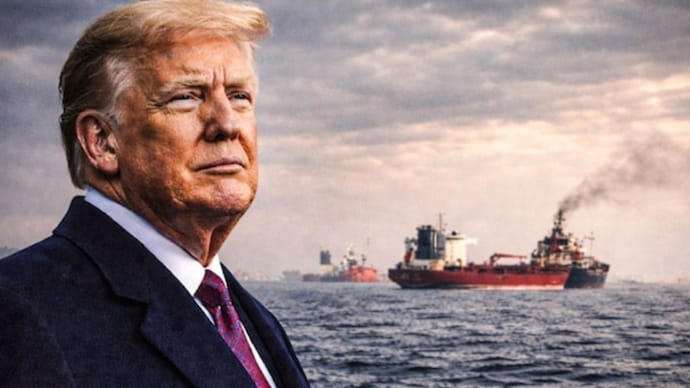
Donald Trump said the US would not rush a peace agreement with Iran and would keep the naval blockade in place. The remarks underlined unresolved disputes over Hormuz access, uranium disposal and the wider fallout of the conflict.
Trump considers fresh Iran strikes to break Hormuz deadlock

UPDATED: May 25, 2026 05:30 IST
US President Donald Trump on Sunday said Washington would not rush into a peace agreement with Iran, signalling that key disputes remain unresolved despite recent optimism over negotiations aimed at ending the three-month conflict in the Gulf region.
US President Donald Trump also strongly defended his administration’s ongoing negotiations with Iran, saying the proposed agreement under discussion was fundamentally different from the 2015 Iran nuclear deal negotiated under former US President Barack Obama.
In a lengthy statement posted on Truth Social, Trump described the Obama-era agreement as “one of the worst deals ever made” and claimed it had provided Iran with a direct path towards developing a nuclear weapon.
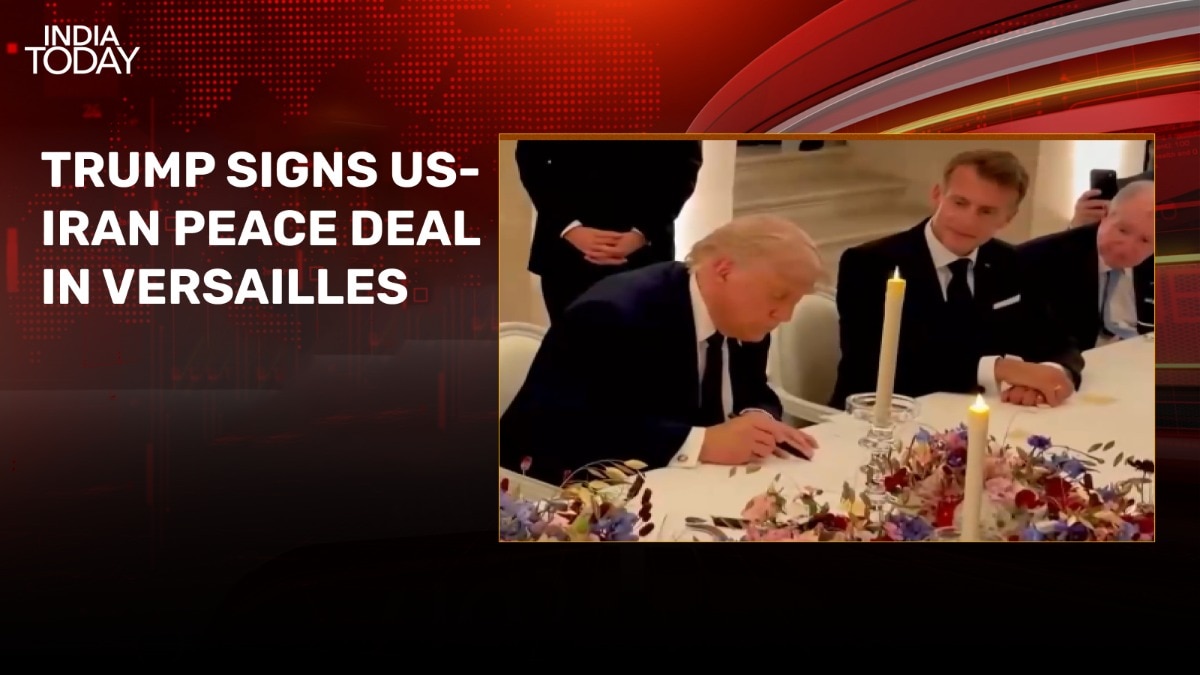
Trump said the US naval blockade on Iranian shipping through the Strait of Hormuz would remain in force until a formal agreement was “reached, certified, and signed”.
“Both sides must take their time and get it right,” Trump said, a day after claiming Washington and Tehran had “largely negotiated” a memorandum of understanding that could eventually reopen the strategically vital waterway.
The Strait of Hormuz, through which nearly one-fifth of global oil and liquefied natural gas shipments passed before the conflict, has remained heavily restricted since fighting erupted between the US, Israel and Iran on February 28.
KEY DISPUTES REMAIN
Iran did not immediately respond to Trump’s latest remarks. However, Iran-linked Tasnim news agency reported that the US was still blocking parts of a possible agreement, including Tehran’s demand for the release of frozen Iranian funds abroad.
A senior Trump administration official said negotiators were still working out details and no agreement would be signed on Sunday because Iran’s decision-making process was moving slowly.
The official said Iran had agreed “in principle” to reopen the Strait of Hormuz in exchange for the lifting of the US naval blockade and had also agreed to dispose of its stockpile of highly enriched uranium.
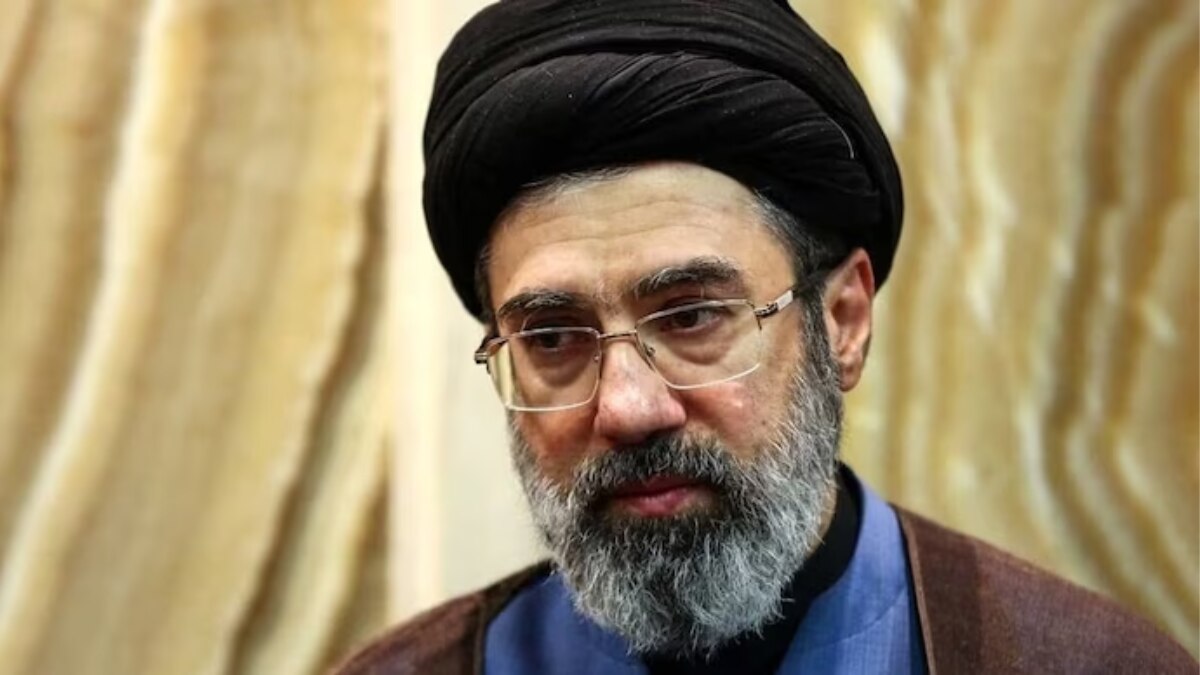
He added that Washington believed Iran’s Supreme Leader Ayatollah Mojtaba Khamenei had endorsed the broad framework of the proposed deal, though there was no immediate confirmation from Tehran.
According to US officials, the proposed framework would first focus on reopening the strait and easing maritime restrictions, while negotiations over Iran’s nuclear programme would continue over the following 60 days.
Iranian sources said possible solutions under discussion included diluting Iran’s enriched uranium stockpile under the supervision of the UN nuclear watchdog.
CRITICISM GROWS IN US
The possible deal has drawn criticism in the US from both Republicans and Democrats, with opponents arguing that the proposed terms resemble the 2015 nuclear agreement negotiated under former US President Barack Obama, which Trump withdrew from during his first term.
Democratic Senator Chris Van Hollen described the reported framework as “the pre-war status quo” and criticised the administration’s handling of the conflict.
Trump also pushed back against criticism from conservative allies unhappy with his willingness to negotiate with Tehran, saying any agreement reached would be “a good and proper one”.
ENERGY CRISIS FAR FROM OVER
Meanwhile, uncertainty remains over future control of the Strait of Hormuz. An Iranian military adviser said Tehran retained the legal right to manage traffic through the strategic passage.
Iran’s Revolutionary Guards said only 33 vessels crossed the strait in the last 24 hours after receiving Iranian permission, far below the roughly 140 daily crossings recorded before the war.
The conflict and restrictions on oil flows have intensified a global energy crisis, driving up fuel, fertiliser and food prices worldwide. Industry officials have warned that normal shipping flows through the strait may not resume fully before 2027.
The conflict has killed thousands in Iran and Lebanon since February, displaced hundreds of thousands of people and triggered retaliatory strikes across the region.
- Ends
Published By:
Zafar Zaidi
Published On:
May 25, 2026 05:30 IST