3 weeks ago
World leaders are gathering at the United Nations as conflicts, climate shocks and AI fears crowd the agenda. The week will test whether the UN can still drive cooperation while facing reform pressure and a leadership transition.

Unitednations,UPDATED: Sep 21, 2026 16:04 IST
World leaders are meeting at the United Nations this week under the shadow of wars, climate shocks, rising living costs and fresh worries over artificial intelligence. The annual high-level week of the UN General Assembly is expected to focus on whether leaders can respond to major conflicts and growing global pressures, while also confronting concerns that AI could move beyond human control.
The future of the UN itself is also in focus. Member states have agreed to a broad reform package, including changes to major institutions such as the Security Council, where the United States, Russia, China, Britain and France hold veto power. But reform remains difficult. There is also quiet speculation over who will succeed Secretary-General Antonio Guterres, whose second five-year term ends on December 31.
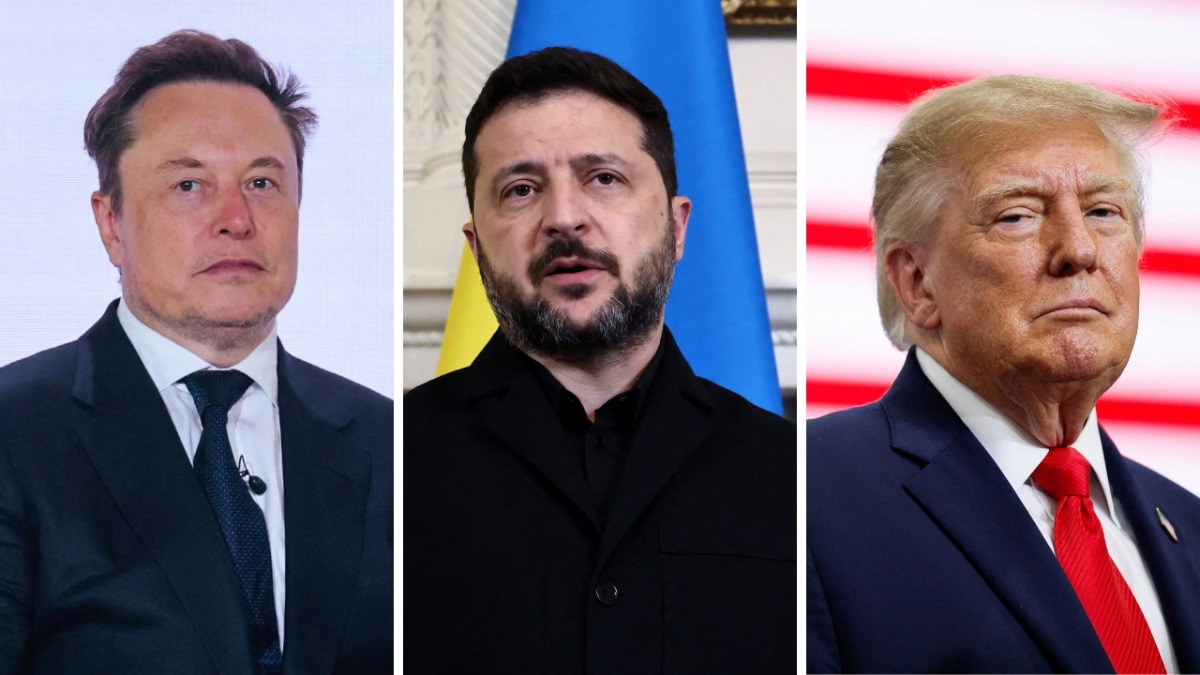
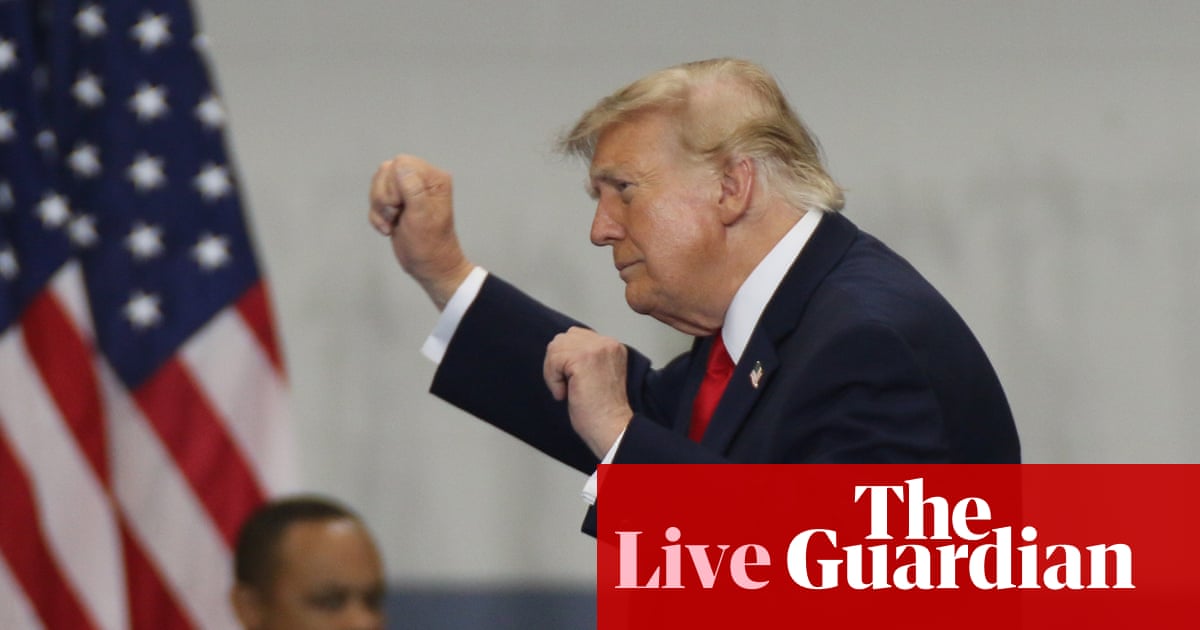
Even so, the UN remains the main forum where its 193 member nations meet. Around 130 heads of state and government are expected to address the General Assembly from Tuesday, along with dozens of ministers. Among the main speakers are US President Donald Trump and French President Emmanuel Macron on Tuesday after Guterres delivers his opening state-of-the-world speech. Ukraine President Volodymyr Zelenskyy and Iran President Masoud Pezeshkian are due to speak on Wednesday.
Israeli Prime Minister Benjamin Netanyahu is scheduled to address the Assembly on Thursday. The article noted that New York Mayor Zoran Mamdani had wanted Netanyahu arrested over his treatment of Palestinians in Gaza before learning he had no such authority. Palestinian President Mahmoud Abbas will not attend for the second year because the US has refused him a visa, but he is set to address the Assembly by video the same day. Under its host country agreement with the UN, the US is required to allow diplomats from all member nations to attend meetings.
There will also be attention on those not attending. China President Xi Jinping is skipping the gathering and sending a vice president instead, even as he is due to meet Trump in Washington on Wednesday. Russian President Vladimir Putin is also not coming, and Prime Minister Narendra Modi has backed out. France's UN ambassador Jerome Bonnafont said it is "extremely critical" for world leaders to support the UN at a time of deep polarisation. "We believe in multilateralism," he said, adding that the high-level week is a chance for countries to reaffirm that they "prefer cooperation and dialogue to confrontation".
The meeting comes after a difficult period for the UN. The organisation has struggled to play a central role in ending major conflicts in the Middle East and Ukraine, and unpaid US dues have hurt its finances. Richard Gowan of the Crisis Group said last year there had been fears Trump might use his UN speech to announce a US withdrawal, but that did not happen. Over the past year, financial troubles forced cutbacks to peacekeeping and humanitarian aid. The US has now paid 725 million dollars towards the UN's regular operating budget, enough to ensure it keeps its vote in the General Assembly. Gowan said the UN is no longer "in freefall", but "is stuck in an open-ended or permanent crisis". He added: "The UN may not be in emergency care like it was last year, but it does seem to be trapped in a trauma centre for the foreseeable future." Former deputy secretary-general Mark Malloch-Brown said: "While the world still trusts the UN, the global public is eager for change."
Artificial intelligence is moving to the centre of the agenda as its rapid progress outpaces regulation. Days before the gathering, the heads of three major AI companies warned that the technology could slip out of human control and called for a pause, but Trump dismissed their concerns as "a hoax" and pushed for continued advances to keep the US ahead of China. Reflecting the rising concern, the UN Security Council has added a high-level meeting on AI to Wednesday's agenda. It was already due to hold a high-level meeting on Ukraine that morning with Zelenskyy.
For Guterres, this will be his last General Assembly meeting with world leaders as secretary-general. Previewing his speech, he said power is shifting in "an era of deep uncertainty" and added: "At a time when the world faces three existential threats, international cooperation is more necessary than ever." Alongside the formal speeches, leaders will hold hundreds of private meetings on issues ranging from rising sea levels and education funding to gender equality. Esther Brimmer of the Council on Foreign Relations said the global situation in 2026 is "much more serious and complex than in decades past", but added: "With that said, I'm also not without hope as well. Over the past decades we've learned a lot about international cooperation." The week, in sum, will test whether the UN can still serve as the main platform for dialogue at a time of conflict, division and fast-changing global risks.
With PTI Inputs
- Ends
Published By:
India Today Web Desk
Published On:
Sep 21, 2026 16:04 IST