 1 month ago
UNAMA said cross-border fighting between Pakistan and Afghanistan killed 499 civilians in Afghanistan and wounded 1,216. The findings deepen concern over escalating hostilities, curbs on women and rules enabling child marriage.

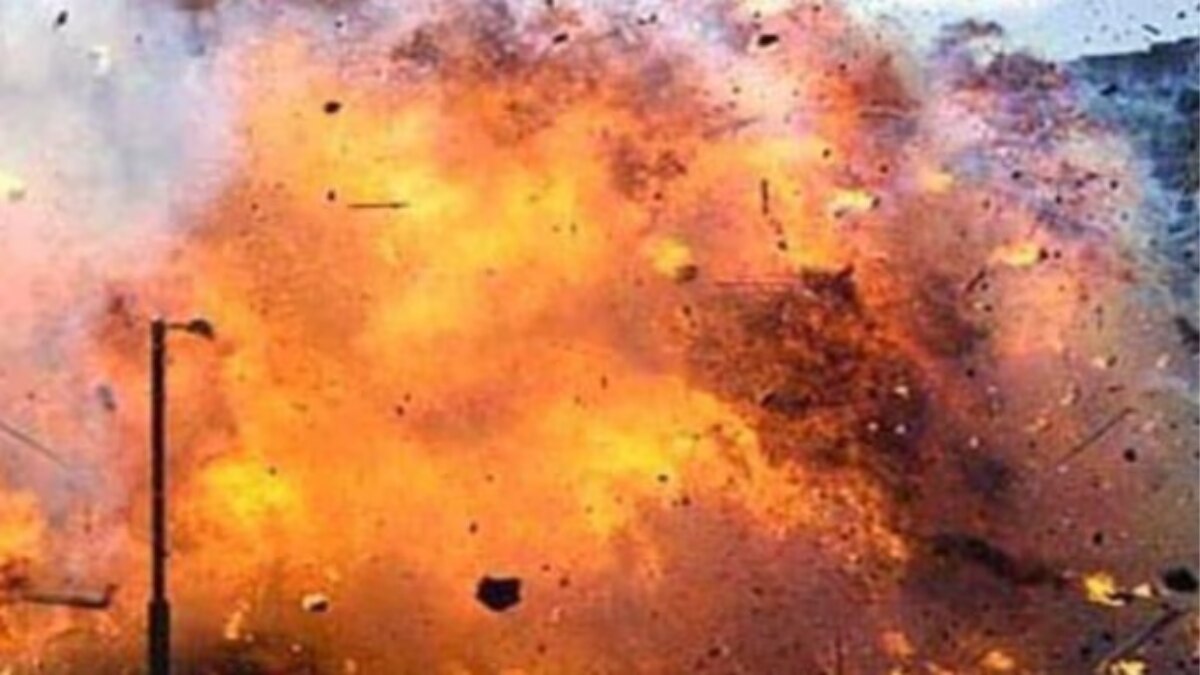
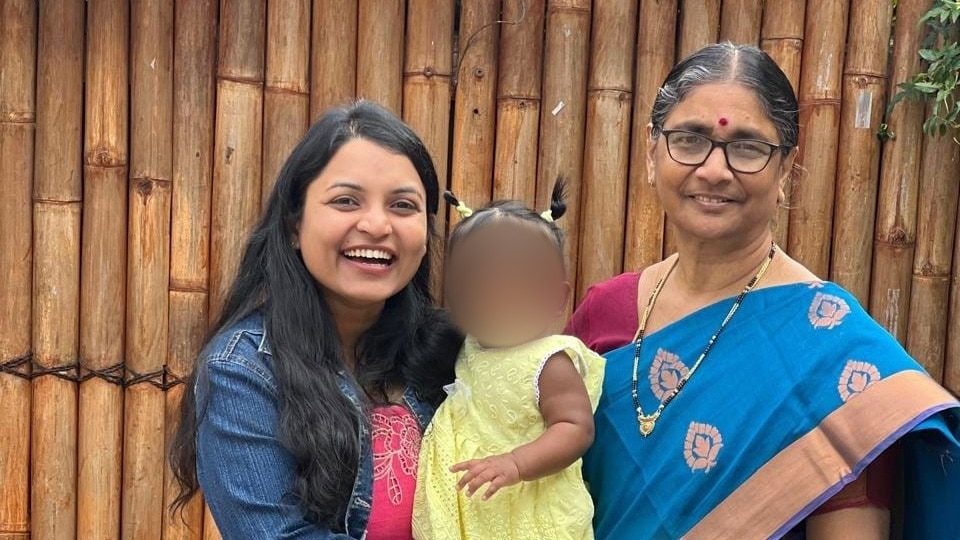
Image used for representational purposes only

Athens,UPDATED: Jul 28, 2026 13:36 IST
Cross-border fighting between Pakistan and Afghanistan killed 499 civilians and wounded 1,216 others in Afghanistan between October and the end of June, the United Nations said on Tuesday. In a report on the human rights situation, the United Nations Assistance Mission in Afghanistan, or UNAMA, said the violence between the two neighbours had continued despite international peace efforts.
The report also examined other rights concerns in Afghanistan, including a deadly crackdown on protests over restrictions on women’s clothing in Herat and decrees that, it said, essentially legalise child marriage. The fighting between Pakistan and Afghanistan has intensified in recent months, with Pakistan accusing Afghanistan of sheltering militants behind attacks in Pakistan, an allegation Kabul denies.
Tensions rose sharply in February when Afghan forces carried out a raid into Pakistan in response to Pakistani airstrikes inside Afghanistan, after which Islamabad said it was in “open war”. Pakistan has repeatedly accused Afghanistan of harbouring militants, especially Tehrik-e-Taliban Pakistan, which is allied with the Afghan Taliban that returned to power in 2021 after the withdrawal of US-led troops.
UNAMA said the deadliest attack in the fighting was a Pakistani airstrike on a drug treatment centre in Kabul in March that killed hundreds of civilians. Last week, Amnesty said the bombing should be investigated as a possible war crime. The report also highlighted two successive airstrikes on a residential building in Paktia province on June 28, in which 22 people, including five children, were killed and at least 185 were wounded. It said most of the deaths and injuries happened in the second strike, when local people were trying to rescue victims from the first one. “ humanitarian law provides special protections for medical personnel and humanitarian workers, including first responders. Attacks against them while performing their duties are strictly prohibited,” said Fiona Frazer, UNAMA’s director of human rights.
In a written response to the report, Pakistan’s Foreign Ministry said Afghanistan’s Taliban government “continues to maintain a permissive environment for a range of (militant) organisations”. It did not address Afghan civilian casualties but said Pakistan’s military strikes “were directed exclusively at identified terrorist hideouts, sanctuaries, and support infrastructure linked to groups responsible for attacks inside Pakistan.” Pakistan has not released an overall figure for civilian casualties caused by the cross-border fighting in its own territory, and UNAMA said its mandate covers incidents in Afghanistan.
On women’s rights, UNAMA said Afghanistan’s Taliban authorities continued to enforce sweeping restrictions, including a ban on education beyond primary school, a strict dress code, restrictions on work in nearly all professions and a rule requiring women to be accompanied by a male relative outside the home. In Herat in June, at least 30 women were arrested over alleged dress code violations, and at least one person was killed and several others injured when authorities opened fire during a rare protest against the detentions. The report said women are required to wear full hijab, including a headscarf, a robe covering the whole body and a face covering that leaves only the eyes visible, though enforcement varies and can be arbitrary. It also said officials from the Ministry for the Propagation of Virtue and the Prevention of Vice visited clinics and shops in different parts of the country to tell them not to admit women who were not accompanied by a male relative. UNAMA added that new rules on separation in marriage “implicitly sanction child marriage” by allowing marriage contracts to be arranged for minors.
The UN report said the fighting between Pakistan and Afghanistan had caused heavy civilian casualties in Afghanistan while also pointing to continuing curbs on women and new rules that could allow child marriage, underscoring the deepening human rights concerns in the country.
With PTI Inputs
- Ends
Published By:
India Today Web Desk
Published On:
Jul 28, 2026 13:36 IST