19 hours ago
The United States launched fresh airstrikes on Iran after reporting another service member's death in Iraq. Iran's missile launches towards Jordan and attacks on Gulf infrastructure have raised fears of a wider regional war.

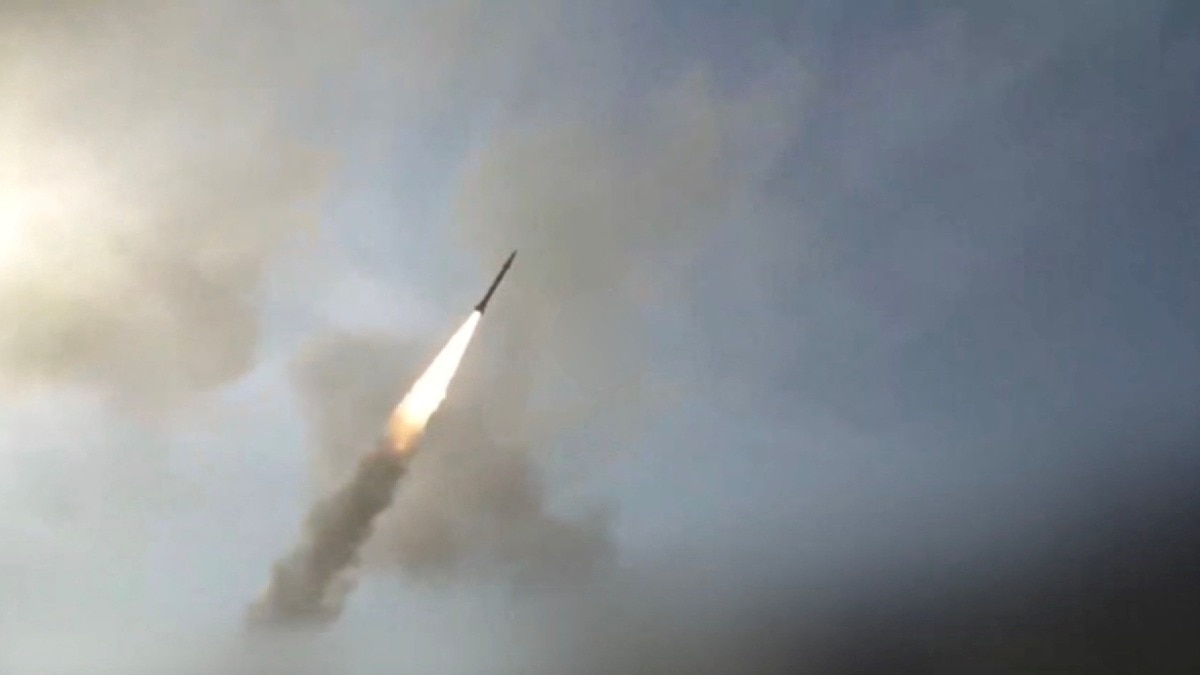
Image used for representational purposes only

Dubai,UPDATED: Jul 20, 2026 06:02 IST
The United States launched a fresh round of airstrikes on Iran early Monday, hours after announcing the death of another American service member in Iraq. Iran, in turn, fired missiles towards Jordan, raising the risk of the conflict spreading further into neighbouring Israel.
The two sides have moved closer to a wider war after last month's interim deal, meant to permanently end the fighting, fell apart. Shipping through the Strait of Hormuz has also largely stalled, with both the US and Iran targeting civilian infrastructure used by millions.
The US military said the service member was killed in Iraq on Saturday during the "controlled detonation" of a downed Iranian drone. It had earlier said its strikes were aimed at Iran's paramilitary Revolutionary Guard in retaliation for Friday's killing of troops in Jordan. One service member had been missing after that attack, and the military later said "unidentified remains" were found on Sunday and were being examined. Since the war began, 17 US service members have been killed.
The latest exchanges, now in their second week, have seen the US target bridges and electrical facilities in Iran. US Central Command said the new strikes early Monday marked the ninth straight night of attacks. "The strikes will continue degrading Iranian military capabilities used to attack commercial vessels and civilian mariners transiting the Strait of Hormuz," it said in a statement.
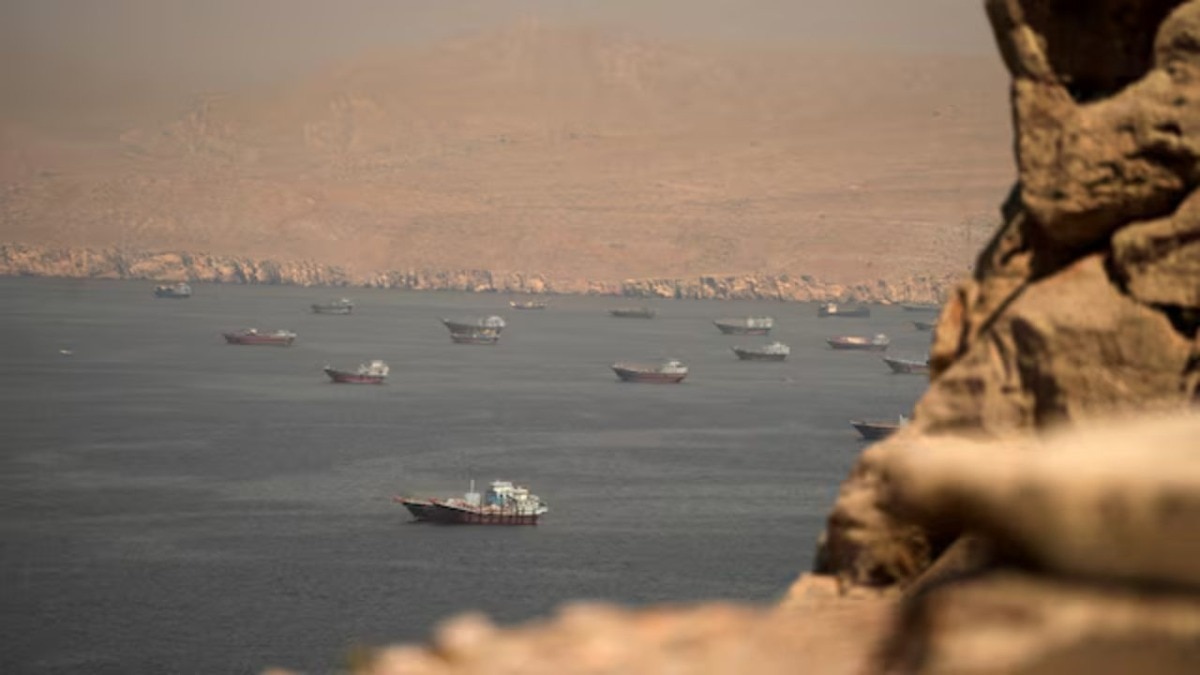
As the strikes began, a ship caught fire early Monday in the Strait of Hormuz near Oman's coastline, the British military said. It was not clear what caused the blaze off Oman, which has been a route the US military has encouraged ships to use to avoid Iran's control.
Tehran has responded by targeting US-allied countries across the Middle East. Bahrain, Jordan and Kuwait again activated air defences against incoming Iranian drones and missiles. Early Monday, the US Embassy in Bahrain warned that "Iran may seek to target unspecified locations in central Manama", the capital, without giving further details.
Israel also warned that missiles fired towards Jordan could cause fire to spill over into Israeli territory for the first time in weeks. Footage released by the US military on Sunday appeared to show strikes by fighter jets and Tomahawk cruise missiles launched from the sea. One target appeared to be in a valley in a mountainous area, where the Revolutionary Guard often keeps missile bases and other military equipment.
Iran's atomic energy agency said US strikes hit the construction site of a planned nuclear power plant in the south-west, according to state television. Satellite images from Planet Labs PBC of the Darkhovin nuclear plant site showed earth clearing but little construction as of July 9. Iran had not previously announced that the site had been targeted. The Atomic Energy Agency said the site, in the "very early stages of construction", had no nuclear material when the UN watchdog last visited.
Jordan's military said it shot down several Iranian missiles and that there were no casualties or damage. The country hosts major US bases and depends on US air defence systems. It later summoned Iran's charge d'affaires in protest, state-run television reported.
Israel's military said Iranian missiles launched towards the Jordanian port city of Aqaba, just across the border, could spill over. It warned Israelis to expect the first air raid sirens in weeks. Eilat, the Israeli city next to Aqaba, said, citing security officials, that two interceptors were launched from its outskirts to prevent debris from falling.
During the latest fighting, Iran has focused its attacks on US-allied Arab states rather than Israel, which launched the war with the US on February 28. "We are prepared to immediately resume combat," Israeli military chief Lt Gen Eyal Zamir said.
Kuwait said one of its power and water desalination plants was attacked for the second time in two days, causing fires. Its Ministry of Electricity, Water and Renewable Energy said the power grid remained stable. About 90 per cent of drinking water in Kuwait comes from desalination.
In sum, the fresh US strikes, the death of another American service member, Iranian missile launches towards Jordan and attacks on key infrastructure in the Gulf have pushed the conflict closer to a broader regional war, even as the Strait of Hormuz remains under growing pressure.
With PTI Inputs
- Ends
Published By:
India Today Web Desk
Published On:
Jul 20, 2026 06:02 IST