1 month ago
The move, which comes a day after a wave of Iranian attacks on Kuwait and Bahrain, could add a new layer of tension to already fragile diplomatic efforts, particularly as Tehran has repeatedly demanded access to billions of dollars in Iranian funds held abroad as part of any broader settlement with Washington.
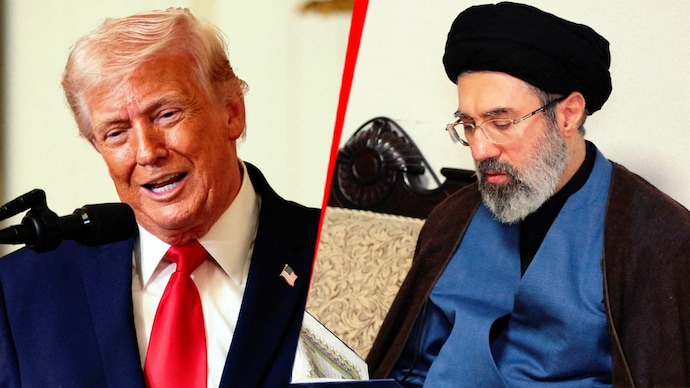
US President Donald Trump and Iran’s Supreme Leader Ayatollah Mojtaba Khamenei. (Photos: Reuters)

UPDATED: Jun 7, 2026 05:19 IST
The United States is considering redirecting Iranian assets to help Gulf allies recover from damage linked to Iranian attacks, a source familiar with the matter told Reuters. The proposal would allow the assets to be used not only for rebuilding and repairs in the event of future attacks but also to compensate partners for losses already incurred.
According to Reuters, the source said US Treasury Secretary Scott Bessent has tasked officials with assessing the cost of past damage attributed to Iran in Gulf countries and examining whether Iranian assets could be used to cover those expenses. The source did not specify which Iranian assets were under consideration. However, the proposal appeared to encompass more than just assets currently frozen by the United States.
The move, which comes a day after a wave of Iranian attacks on Kuwait and Bahrain, could add a new layer of tension to already fragile diplomatic efforts, particularly as Tehran has repeatedly demanded access to billions of dollars in Iranian funds held abroad as part of any broader settlement with Washington.
FRESH US-IRAN STRIKES TEST FRAGILE TRUCE
The asset proposal emerged as the United States and Iran exchanged military blows despite an ongoing ceasefire.
US forces carried out strikes on Iranian coastal radar facilities in Goruk and on Qeshm Island in the Strait of Hormuz early Saturday. According to US Central Command, the operation followed the interception of Iranian drones that were deemed a threat to maritime traffic in the strategic waterway.
Iran responded by launching missiles towards US military installations in Kuwait and Bahrain. Kuwaiti authorities said seven ballistic missiles crossed over populated areas, causing material damage but no casualties. Bahrain activated warning sirens and advised residents to seek shelter.
Iran's Revolutionary Guard said the strikes targeted American bases in both countries. The US military, however, said six missiles were intercepted and another failed to reach its target.
The latest exchanges underscored the fragility of the ceasefire and raised concerns about a broader regional escalation.
MEDIATION EFFORTS CONTINUE AMID DEADLOCK
Even as military tensions persist, diplomatic channels remain open.
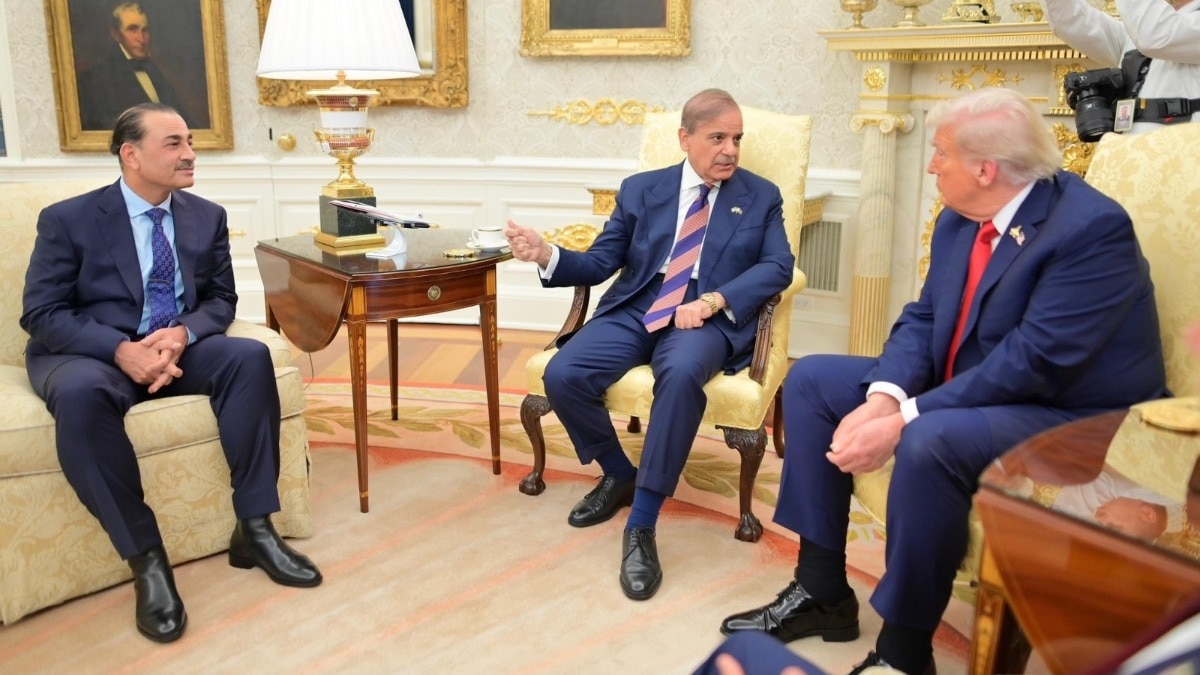
Pakistan, which has emerged as a key mediator between Washington and Tehran, continued its efforts to bridge differences between the two sides. Pakistani Interior Minister Mohsin Naqvi arrived in Tehran on Saturday carrying what Iranian media described as a special message from Pakistan's military and political leadership for Iran's Supreme Leader, Mojtaba Khamenei.
The visit comes amid reports that negotiations have slowed. Iran continues to seek access to frozen revenues, relief from sanctions affecting oil exports and ports, and leverage over shipping through the Strait of Hormuz.
Earlier, an adviser to Iran's supreme leader had suggested that the release of $24 billion in Iranian assets frozen by the United States remained a critical element of any peace arrangement.
FIGHTING PERSISTS DESPITE CEASEFIRE
The ceasefire has struggled to hold as military confrontations continue on multiple fronts.
In Lebanon, three members of the Lebanese armed forces, including two officers, were killed in an Israeli strike on a military vehicle in the country's south, according to the Lebanese army. Israel said it was investigating the incident.
The Lebanon front has become increasingly entangled with wider US-Iran diplomacy. Tehran has linked progress in negotiations with Washington to a ceasefire involving Israel and Hezbollah, while Israel has indicated it will continue military operations and maintain its deployment.
Separately, Lebanese Army Commander General Rudolf Haykal travelled to Pakistan at the invitation of Pakistan's military chief, a visit that drew attention amid ongoing diplomatic efforts involving Islamabad.
The continuing clashes in the Gulf and Lebanon highlight the challenges facing negotiators seeking to transform the current ceasefire into a broader and more durable peace agreement.
- Ends
With inputs from Reuters
Published By:
Nitish Singh
Published On:
Jun 7, 2026 05:19 IST