 13 minutes ago
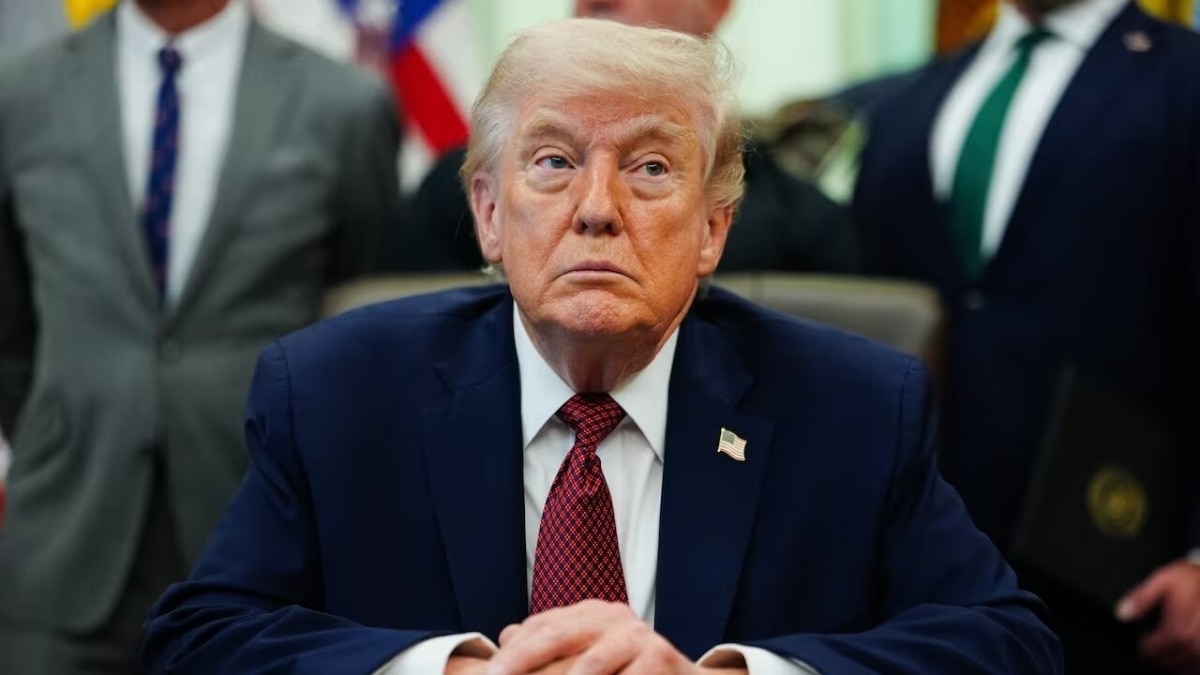
The United States is staring at the prospect of another government shutdown just weeks before Christmas, as two major disagreements threaten to derail a funding deal in Congress. President Donald Trump's demand for an additional USD 350 billion in defence spending and growing Democratic opposition to war funding against Iran have exposed divisions on Capitol Hill.
US lawmakers have until December 11 to reach an agreement and prevent federal agencies from running out of money. However, with Republicans and Democrats struggling to find common ground, the chances of a last-minute funding deal is uncertain.
The timing is challenging. Congress is preparing to break for Thanksgiving, leaving lawmakers with just 10 scheduled working days between their return and the December 11 deadline. Several of those days are Fridays, when attendance in Congress is usually lower.
After midterm polls, the two parties have so far avoided their most confrontational approaches, keeping the possibility of a bipartisan agreement alive. But neither side appears to have settled on a clear strategy, which raises concerns that Congress could stumble into another funding crisis even without an explicit decision to shut down the government.
Democrats are preparing to take control of both the Senate and the House of Representatives in January following their sweeping victory in the November midterm elections. That leaves the current Congress with a limited window to approve spending measures before the balance of power changes.
IRAN WAR FUNDING EMERGES AS A MAJOR ROADBLOCK
One of the biggest obstacles to a funding agreement is the growing demand from Democrats to restrict the money available for Trump's military campaign against Iran.
Several Democrats believe Congress should use its control over government spending to put pressure on the administration to bring the war to an end. Their argument is that lawmakers should not approve federal funding without addressing the financial and political consequences of the conflict.
However, this position has created a difficult choice for the party. Insisting on restrictions could derail negotiations and potentially trigger a shutdown, temporarily affecting federal agencies and workers just weeks before the Christmas holiday.
Senator Peter Welch, a Democrat from Vermont, summed up the dilemma while speaking to reporters.
"The big obstacle is that we don't want to fund the war, we don't want to shut down, how do you solve that," Welch said. "That's the Gordian knot."
The divisions are also visible within the Democratic Party itself. While some lawmakers believe a shutdown may be justified if it helps challenge Trump's Iran policy, others say that shutting down the government would do little to stop military operations. Representative Rosa DeLauro, the top Democrat on the House Appropriations Committee, has argued against using a government shutdown as a strategy to oppose the war.
"Shutting the government down doesn't stop the war. Everybody feels very strongly. They want to end this war ... How do you strategically move to get that done? Without shutting down the government - that's where I am on this issue," DeLauro said.
Senator John Hickenlooper, another Democrat, admitted that shutting down the government immediately before the holidays would be a difficult decision. However, he said that the economic pressure caused by the war and its unpopularity could make the prospect more difficult to dismiss.
Republicans, meanwhile, have accused Democrats of putting demands ahead of the responsibility to keep federal agencies operational. Senate Majority Leader John Thune warned against another funding lapse, saying: "The American people don't need another government shutdown."
"I think that would be a colossal mistake and a real disservice to the people of this country," he added.
TRUMP'S WAR FUND DIVIDES REPUBLICANS
The second major disagreement concerns Trump's demand for an additional USD 350 billion in military spending. The US President has urged Senate Republicans to pass the money through a partisan legislative route known as budget reconciliation. This would allow Republicans to approve the spending without securing the support of Democrats, provided they have enough votes within their own party.
Under normal circumstances, most major legislation in the Senate requires 60 votes to overcome procedural hurdles. Republicans, who do not have that level of support on their own, could use reconciliation to pass qualifying legislation with a simple majority.
However, the proposal has exposed disagreements among Republicans over how to structure the spending package and pay for it.
According to US media, some senators are not sure about the financial implications, while others are wary of the lengthy and complicated process that reconciliation could trigger. The issue was discussed during a closed-door meeting of Senate Republicans this week. Rather than immediately pursuing Trump's preferred approach, lawmakers decided to explore negotiations with Democrats over a bipartisan defence spending package.
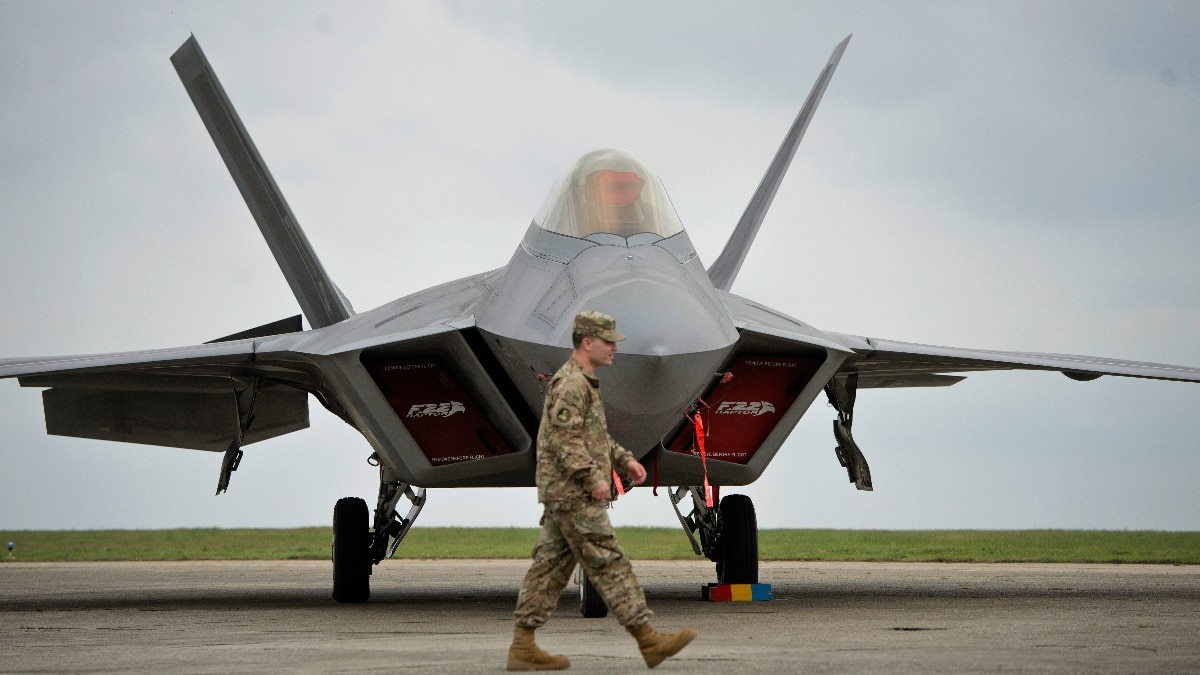
Republicans have proposed a defence appropriations bill worth approximately USD 1.1 trillion, but it includes only $69 billion of Trump's additional funding request. That leaves a gap between what the president wants and what Republicans are currently prepared to pursue through negotiations.
Senator Ron Johnson, the Republican chairman of the Senate Budget Committee, said his colleagues were more interested in finding a way to secure Democratic support for additional military spending.
There is also a practical reason Republicans are hesitant about reconciliation. The process can lead to an extended series of amendment votes on the Senate floor, commonly known as a vote-a-rama, which can continue through the night. Such proceedings could give Democrats opportunities to introduce amendments targeting other Republican priorities, including tax policies.
The disagreement has also drawn criticism from within Republican ranks. Senator John Kennedy of Louisiana said the party had yet to establish a convincing plan for the remainder of the legislative session.
"I don't know what we're going to do," Kennedy told reporters on Wednesday.
"I don't know if we're going to do anything. I think we're going to continue to confirm judges. I'm pretty sure of that. But everything else, I have no idea what we're going to do."
WHY CONGRESS IS RUNNING OUT OF TIME
Beyond the disagreements over Iran and defence spending, the legislative calendar itself is becoming a major problem. The current government funding arrangement expires on December 11. If Congress does not approve fresh funding by then, federal agencies could face a funding lapse, forcing parts of the government to suspend operations.
Federal employees could also temporarily go without pay, although the consequences would vary depending on their roles and the agencies they work for.
Lawmakers are scheduled to have only 10 working days between their return from the Thanksgiving break and the deadline. That leaves little room for prolonged negotiations, particularly when both parties remain divided over the central issues.
The immediate objective is to pass a temporary funding measure, known as a continuing resolution. Such a measure would allow federal agencies to keep operating at existing funding levels while lawmakers negotiate a longer-term spending agreement.
Democrats have indicated that they could support extending government funding into early 2027. This would give the incoming Congress time to negotiate a more comprehensive budget after the change in political control. However, Republicans have also been exploring the possibility of passing some or all of the 12 annual spending bills required to fund different parts of the federal government for the full financial year.
- Ends