 1 month ago
HomeMarket NewsUS inflation hits 3.8% as Iran conflict sends fuel, living costs soaring
US inflation hits 3.8 percent in April, driven by energy and food as Iran conflict disrupts oil routes, consumer confidence falls, and Fed faces pressure over interest rate cuts
3 Min Read
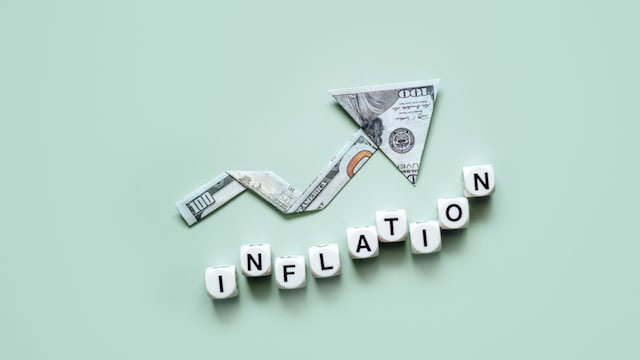
Consumer prices in the US surged 3.8% year-on-year in April, marking the steepest rise since 2023, as the ongoing conflict involving Iran continued to push up fuel, electricity and daily living costs across the country.
As per data released by the Bureau of Labor Statistics, inflation accelerated from 3.3% in March and 2.4% in February, underscoring how quickly geopolitical tensions are feeding into the American economy.
Energy prices climbed 3.8% in April and accounted for more than 40% of the monthly increase in inflation. Gasoline prices alone spiked 28.4% on a yearly basis, with Americans already feeling the pinch at fuel stations. Data from AAA showed that the average gasoline price in the US is now more than a dollar higher than it was a year ago.
The surge comes as the closure of the Strait of Hormuz, the most critical global oil and gas shipping route, continues to disrupt energy supply chains. Nearly a fifth of the world’s oil and gas trade typically passes through the route.
Oil prices continued their upward march earlier this week after US President Donald Trump termed Iran’s response to American peace proposals as “totally unacceptable”. Iran reportedly rejected demands to dismantle its nuclear facilities and instead proposed a shorter moratorium period.
The inflationary pressure is no longer restricted to fuel alone.
Food prices rose 3.8% during the month, while electricity and utility-related energy services increased 5.4%. Airfares also jumped 20.7%, reflecting rising operational and fuel costs across the aviation sector.
However, core CPI, which excludes volatile food and energy prices, rose at a relatively slower pace of 2.8%. The spike in prices is now beginning to dent consumer confidence as well.
A fresh survey from the University of Michigan showed that consumer sentiment in May weakened sharply compared to last year, with Americans also losing confidence in institutions such as the Federal Reserve. The sentiment readings were comparable to 2022 levels, when inflation in the US had touched multi-year highs.
Also read: Nasdaq drops 0.7%, S&P 500 slips at open on inflation, crude price surge
The inflation shockwaves are also rippling beyond the US.
Countries including Australia, Canada and South Korea have reported rising inflationary pressures, while British households are reportedly preparing for another cost-of-living crisis. Asia’s manufacturing sector has also begun showing signs of stress amid rising input costs.
Despite inflation remaining well above the Federal Reserve’s long-term 2% target, the Trump administration has continued pushing for lower interest rates to stimulate borrowing and economic activity.
That could complicate matters for incoming Federal Reserve chair Kevin Warsh, who has publicly backed lower interest rates. With inflation resurging, Warsh may face resistance from the Fed’s voting members while attempting to push rate cuts.
At the Fed’s last policy meeting, only one board member voted in favour of reducing rates, with policymakers citing weak job growth and geopolitical uncertainty in the Middle East as key concerns.
US interest rates currently remain in the 3.5% to 3.75% range. Meanwhile, the US Senate is expected to confirm Warsh as the next Fed chair in the coming days, ahead of Jerome Powell’s term ending on Friday.