1 month ago

UPDATED: Apr 11, 2026 14:28 IST
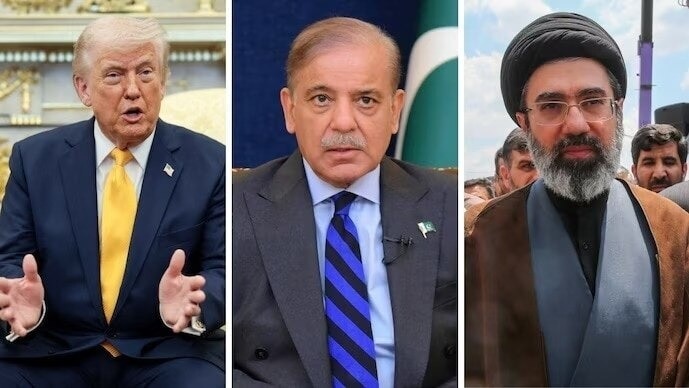
A panel discussion highlights the growing confusion surrounding the US-Iran ceasefire agreement, particularly regarding Lebanon's status. While the United States maintains that the Israel-Lebanon conflict is a separate issue, Iran insists Lebanon is included in the truce and threatens to withdraw if strikes continue. Amidst this diplomatic chaos, Israel continues its military operations against Hezbollah targets in Lebanon. The conversation also analyzes Pakistan's role as a mediator hosting the US-Iran talks in Islamabad. The analysis suggests Pakistan is merely serving as a staging ground and messenger, with real authority resting with its military leadership rather than the civilian government. Furthermore, the discussion contrasts Pakistan's position with India's strategic approach. India has reportedly avoided a direct mediator role to protect its long-term geopolitical interests, opting instead for quiet diplomatic engagements. This is evidenced by the recent visits of India's External Affairs Minister to the United Arab Emirates, the Petroleum Minister to Qatar, and the Foreign Secretary to the United States.
Read More
VIDEOS FROM OTHER SECTIONS
LATEST VIDEOS
Israel-Lebanon border war intensifies: Around 1400 fighters killed, no ceasefire as civilians flee
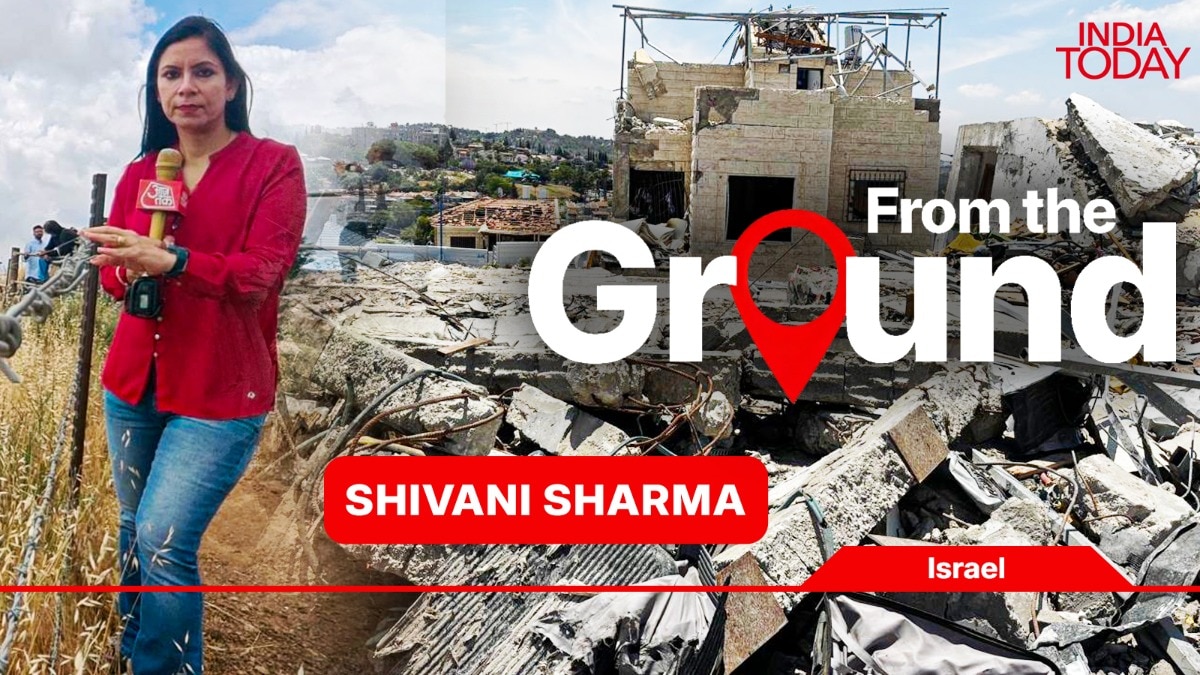
An India Today Global on-ground report from the Israel-Lebanon border reveals a highly volatile situation as military forces intensify strikes against targets in southern Lebanon. The Israeli Prime Minister has firmly stated that military operations will not cease, reflecting the ongoing escalation. Border regions in northern Israel remain largely abandoned, with residents forced to evacuate or take refuge in reinforced concrete shelters due to the persistent threat of rocket fire from neighbouring territories. The military asserts that these operations are necessary to secure the region and allow displaced citizens to return home safely. Over the past forty days, forces claim to have eliminated approximately 1,400 fighters and targeted 4,300 hideouts, including 150 individuals in the last twenty-four hours alone. Consequently, prospects for a ceasefire remain jeopardised. Israeli authorities refuse to halt operations unless opposing forces are disarmed, while Iranian officials insist on a comprehensive cessation of hostilities. The report underscores the severe ground reality, highlighting the widespread devastation and the profound impact on civilian life.
Group Report: Border towns emptied as rockets, drones pound Israel-Lebanon line
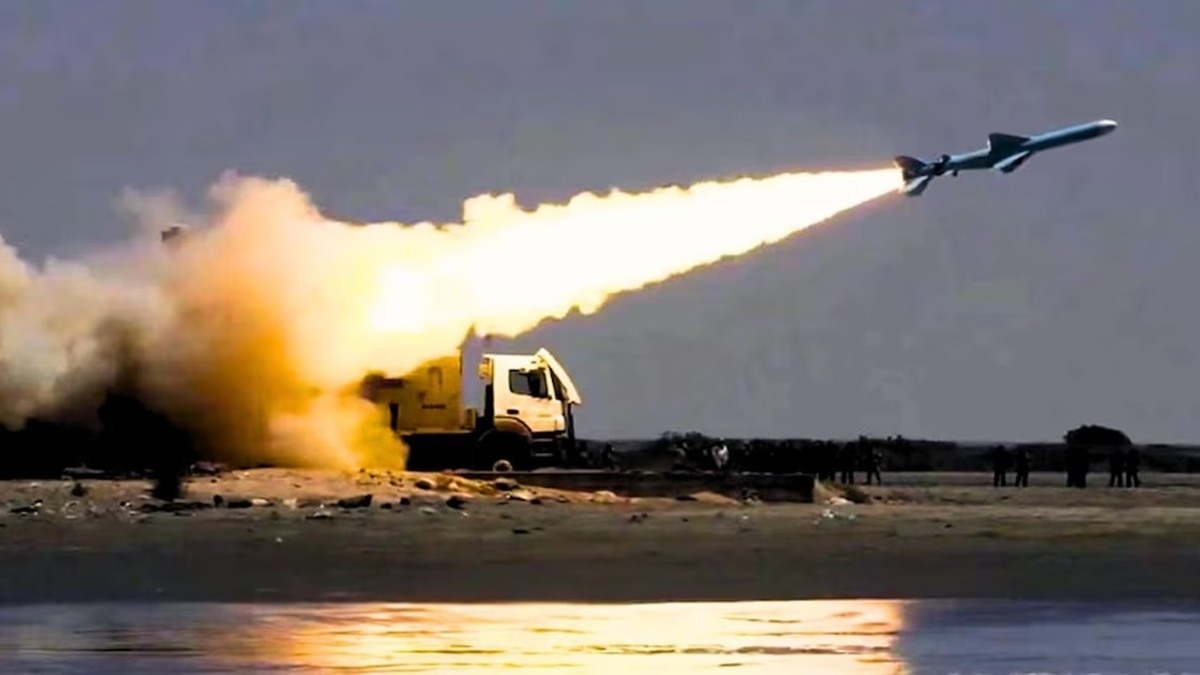
Reporting from the Israel-Lebanon border, India Today's Pranay Upadhyaya describes a landscape dominated by constant blasts, with the sustained thunder of missiles and drones echoing across a region steadily emptied of its civilian population as the Middle East conflict intensifies. The continued shelling in northern Israel has pushed the Israel Defense Forces (IDF) to maintain active operations across southern Lebanon, an area where the militant group Hezbollah is deeply entrenched. The military exchanges continue despite a fragile ceasefire framework announced in recent diplomatic efforts involving the United States and Iran. In the visual report from the border region, the terrain across the hills is identified as the launch zone from where Hezbollah fighters are seen firing rockets.
What does Trump want from Iran? Breaking down US objectives on nukes, missiles and power
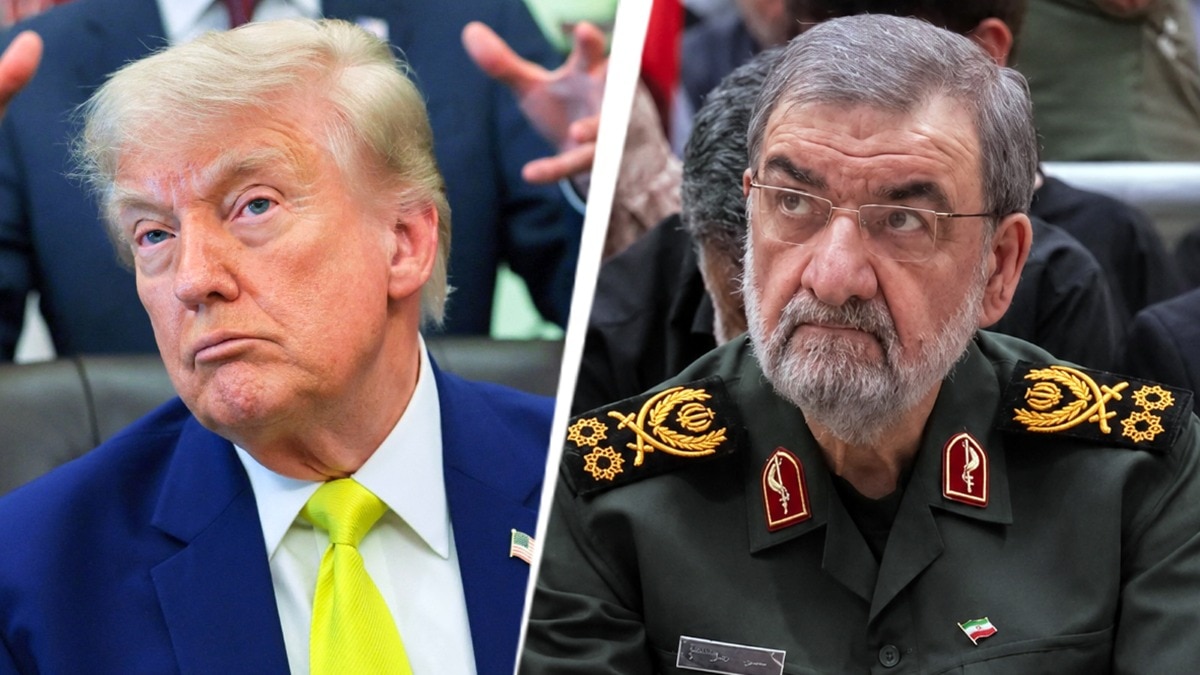
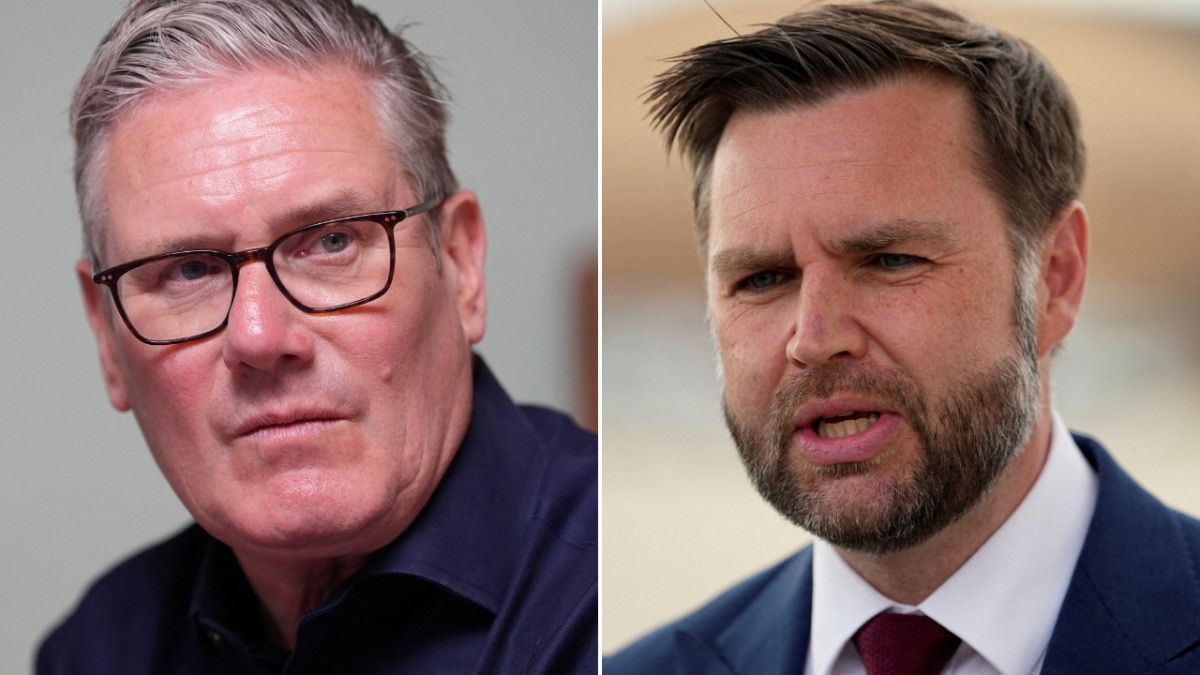
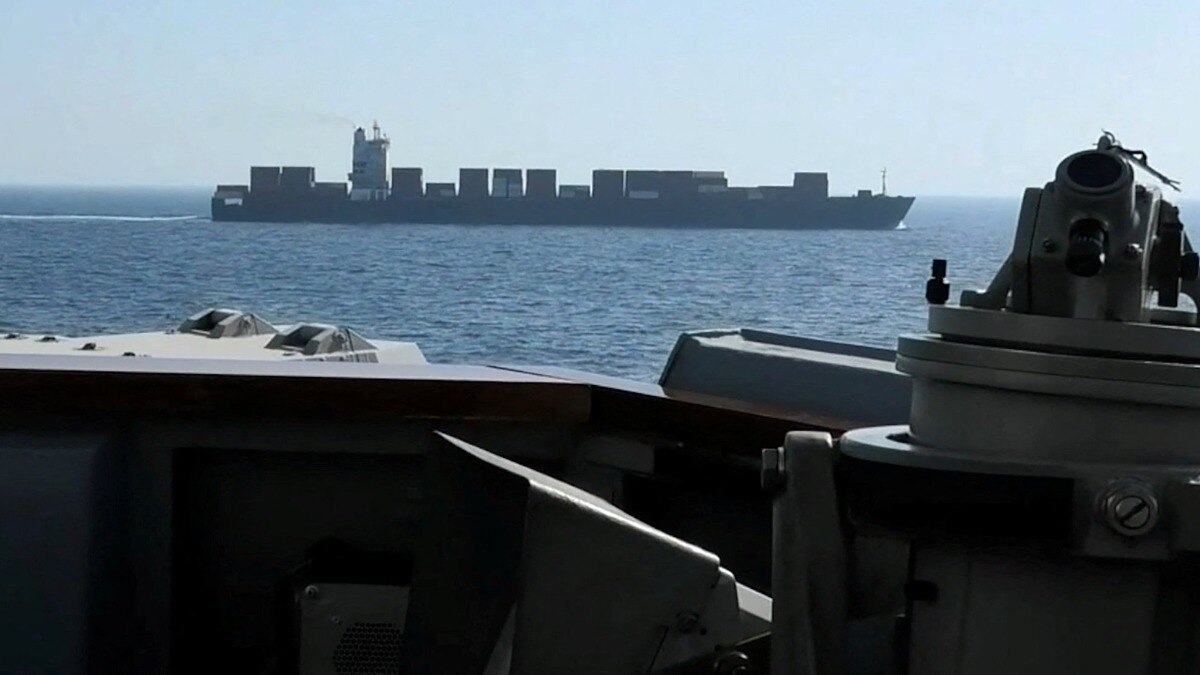
In this India Today news bulletin, the anchor and Major General Sanjay Soy (Retd) analyse the escalating tensions between the US and Iran under the Donald Trump administration. The discussion focuses on Trump's key objectives, including halting Iran's uranium enrichment, ending support for regional proxy groups like Hezbollah, Hamas, and the Houthis, and ensuring the unrestricted reopening of the Strait of Hormuz. Major General Soy suggests that Iran currently holds the upper hand strategically, using energy and the threat of anti-shipping mines in the international waterway as leverage. The segment highlights the arrival of a high-level US delegation in Islamabad, including J.D. Vance, Jared Kushner, and Steve Witkoff, for negotiations. Concerns are raised regarding Trump's 'one-man army' leadership style and whether he is disregarding the advice of his military generals. The analysis also touches upon Iran's use of emotional messaging and the potential impact of the US midterm elections on the ongoing geopolitical standoff.
Iran-US Islamabad talks delayed, delegations to meet Shehbaz Sharif separately
The Iran-America talks in Islamabad are facing a delay of a few hours. Initially scheduled to begin at 8 am Tehran time, the negotiations are now expected to commence in the afternoon, which translates to late evening Indian Standard Time. According to reports quoting Iranian media, specifically the Mehr News Agency, the structure of the talks will initially involve separate engagements. The transcript highlights that 'the Iranian and American delegations are expected to hold separate individual meetings' with Pakistani Prime Minister Shehbaz Sharif first. Once these initial diplomatic courtesies are concluded, the main round of indirect negotiations will begin. The American delegation, which includes Vance, and the Iranian representatives will not be sitting directly across the table from one another. Instead, the discussions will proceed as indirect negotiations following their respective meetings with the Pakistani Prime Minister. This development marks a significant update on the format and timing of the diplomatic engagements.