1 hour ago
The United States and Iran have traded fresh strikes as Donald Trump said their ceasefire was over. The renewed violence has again put the Strait of Hormuz and stalled nuclear diplomacy at the centre of the crisis.

Washington,UPDATED: Jul 12, 2026 20:42 IST
The United States and Iran have again exchanged strikes after a week in which US President Donald Trump suggested their fragile negotiations might be “over”. The two sides are now nearing the halfway mark of the 60-day period that began when they signed an interim deal aimed at permanently ending the war.
The conflict continues to affect lives across the region, including in Iran, Israel and Lebanon, as well as foreign residents in Gulf countries, US military personnel in several countries and mariners on ships still trying to leave the Strait of Hormuz. The waterway between Iran and Oman has become one of Tehran’s main points of pressure in the talks, with Iran insisting that it alone now controls the strait.
The war began on February 28, when Israel and the US attacked Iran, killing Supreme Leader Ayatollah Ali Khamenei and other top officials. Iran quickly responded with strikes on Israel and across the Gulf and said it had taken control of the Strait of Hormuz. On March 2, the Iran-backed Hezbollah group in Lebanon entered the war by firing rockets at Israel, prompting Israeli retaliation and an invasion that came to occupy large parts of southern Lebanon. On March 8, Iran named Khamenei’s son Mojtaba as the new supreme leader. He has not been seen in public and is believed to be in hiding after reportedly being hurt in the opening strikes.
A two-week ceasefire was reached on April 7, though Israel was not part of those discussions. On April 12, the US and Iran ended hours of face-to-face talks in Pakistan’s capital without an agreement. A day later, Trump said the US had begun a blockade of Iranian ports to pressure Tehran to give up its grip on the strait. On April 14, Lebanon and Israel held their first direct diplomatic talks in decades in Washington. Iran said on April 17 that it had reopened the strait to shipping, but that did not last, and on April 21 Trump said he was extending the ceasefire indefinitely.
On May 3, Trump announced a US effort to guide ships through the strait, but that also did not last. By May 31, Israel’s ground invasion of Lebanon had made its deepest incursion in more than a quarter-century, while Hezbollah continued to target northern Israel.
Israel and Lebanon said on June 3 that they had agreed to renew their fragile ceasefire and create security zones excluding Hezbollah, but both sides quickly resumed firing at each other. On June 7, Iran bombarded Israel for the first time since the April ceasefire took effect, and Israel fired back. Trump said on June 14 that an interim deal with Iran had been reached and would be signed within days, while Iran said the deal also meant an end to fighting in Lebanon. On June 17, Trump signed an agreement under which Tehran would dilute its stockpile of highly enriched uranium and US-backed sanctions would be waived, immediately allowing Iran to sell its oil freely.
Vice President JD Vance said on June 22 that new talks with senior Iranian officials in Switzerland had created a “good foundation for a successful final deal.” On June 26, Israel and Lebanon announced a US-backed framework agreement that was described as a first step towards peace. Host Qatar said on July 1 that US and Iranian negotiators met separately with Qatari and Pakistani mediators, with “positive progress made”.
On July 2, Iran’s joint military command warned that all oil tankers moving through the strait had to use its approved routes or face a “forceful response”. Iran began a multi-day funeral for Khamenei on July 4, and talks with the US on the war and Iran’s nuclear programme were expected to resume after it ended. But on July 7, Iran was accused of striking three ships in the strait as traffic slowly increased to its highest level in a single day since late April. The US then struck dozens of targets in Iran and reinstated sanctions on Iranian oil sales. Tehran’s lead negotiator said, “The era of bullying and extortion is over.”
On July 8, Trump declared the ceasefire was “over” but said negotiations could continue, raising fears that the war could flare up again. Days of attacks followed, with Iran also firing at Arab states in the region. On July 10, Trump threatened Iran with more strikes, saying he was responding to calls for his death during Khamenei’s funeral.
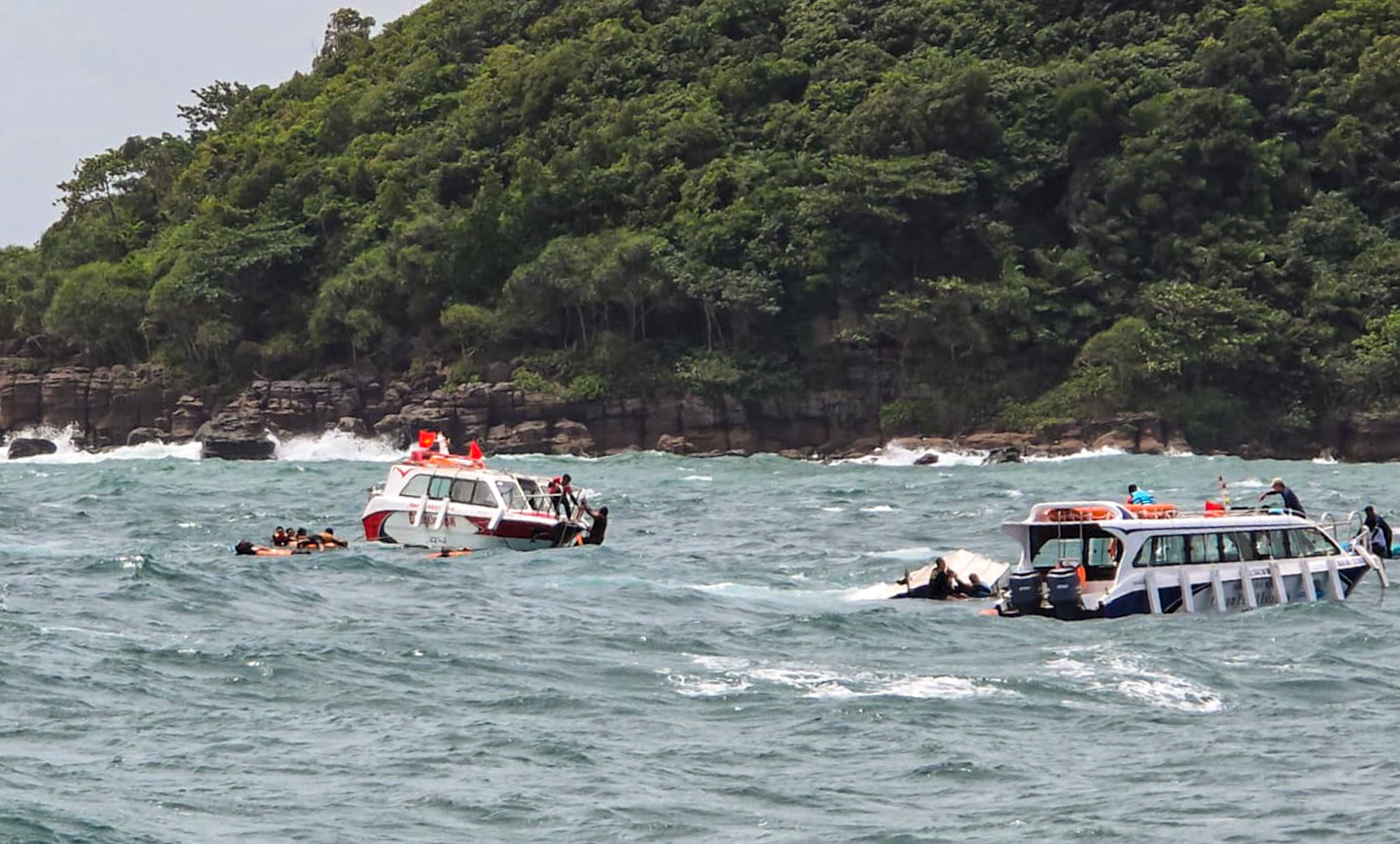
On July 12, the US military said it had hit more than 140 targets in Iran after an Iranian strike on a container ship in the strait left one crew member missing. Tehran said the strait was closed until calm was restored, while the US said it remained open.
The timeline shows that repeated ceasefires and talks have been interrupted by fresh strikes, while the fighting has spread across Iran, Israel, Lebanon and the Gulf, with the Strait of Hormuz remaining central to the dispute even after the interim US-Iran deal.
With PTI Inputs
- Ends
Published By:
India Today Web Desk
Published On:
Jul 12, 2026 20:42 IST