1 month ago
US Treasury Secretary Scott Bessent urged Iranian leaders to stop the violence and stand with the people of Iran, warning that further action could follow if the crackdown continues.
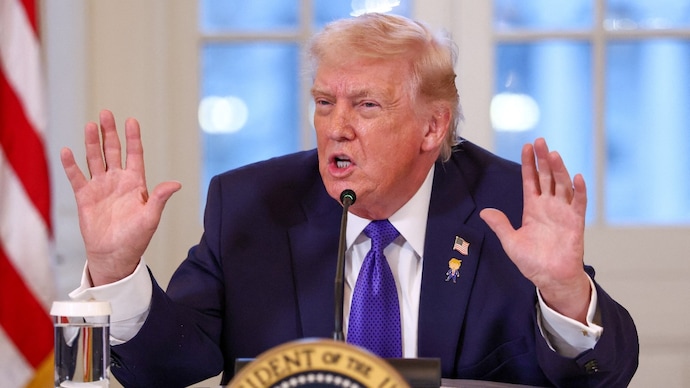
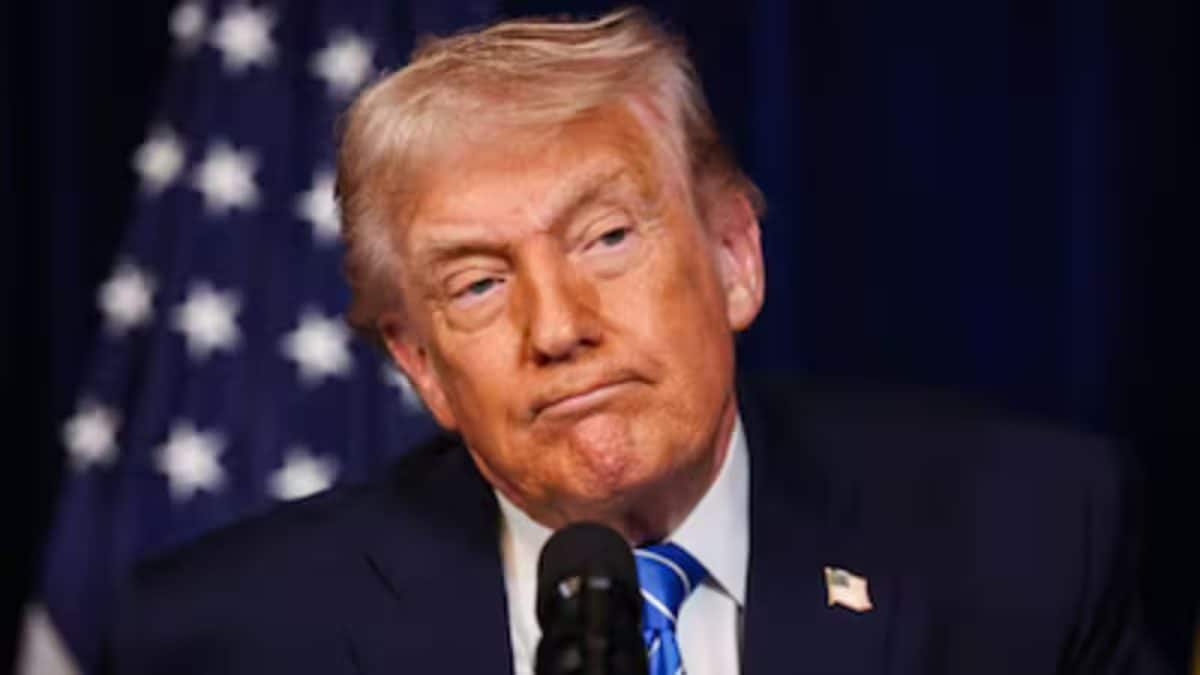
US President Donald Trump has maintained constant pressure on Iran not to crackdown on anti-government protesters. (File photo)

New Delhi,UPDATED: Jan 15, 2026 23:01 IST
The US on Thursday announced new sanctions against five Iranian officials accused of orchestrating a violent crackdown on nationwide anti-government protests that have reportedly killed more than 2,600 people, according to human rights groups. Washington also initiated steps to track financial transfers by Iranian leaders to overseas banks, escalating pressure on Tehran amid ongoing unrest, Reuters reported.
The US Treasury Department said sanctions were imposed on the Secretary of Iran’s Supreme Council for Security, senior commanders of the Islamic Revolutionary Guard Corps (IRGC), and law enforcement officials identified as central to suppressing dissent.
In addition, Fardis Prison was sanctioned following State Department reports that detained women had endured "cruel, inhuman, and degrading treatment".
US Treasury Secretary Scott Bessent issued a video message directly addressing Iran’s leadership, accusing officials of transferring stolen funds abroad.
"Like rats on a sinking ship, you are frantically wiring funds stolen from Iranian families to banks and financial institutions around the world," he said, adding that the US would track such transfers.
Bessent urged Iranian leaders to stop the violence and "stand with the people of Iran," warning that further action could follow if the crackdown continues.
Iran’s mission to the United Nations did not immediately comment on the sanctions. Iranian authorities have continued to blame the United States and Israel for inciting unrest.
President Masoud Pezeshkian said the government was working to address economic hardships that initially triggered the protests, including corruption and currency volatility, which he said disproportionately affected lower-income citizens.
Protests erupted nationwide after sharp price increases and quickly evolved into broader demands for political change, posing one of the most serious challenges to Iran’s clerical establishment since the 1979 revolution.
Human rights groups, including HRANA, report that more than 2,400 protesters and over 150 government-affiliated personnel have been killed.
US President Donald Trump has repeatedly voiced support for the demonstrators and warned Tehran. "I have cancelled all meetings with Iranian Officials until the senseless killing of protesters STOPS," he wrote on social media, adding, "HELP IS ON ITS WAY".
The White House said all options remain on the table, including diplomatic and military responses, though Trump signalled caution, saying Washington would "watch what the process is".
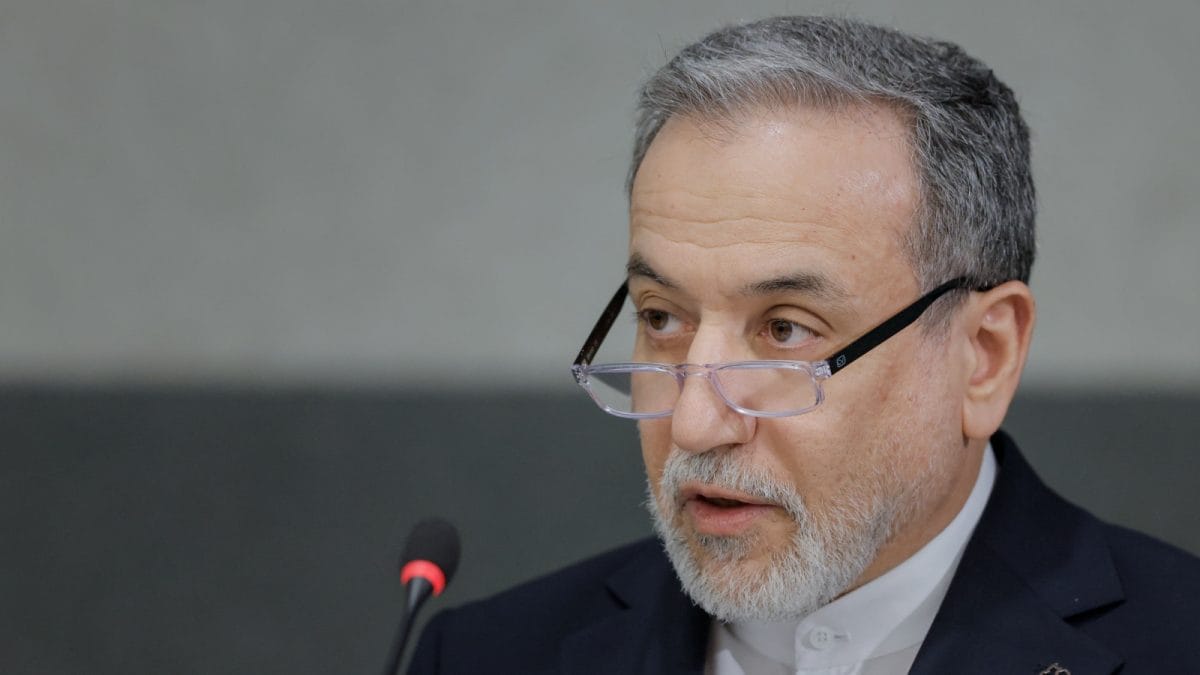
Iran’s government has denied plans to execute detainees. Foreign Minister Abbas Araghchi said executions were "out of the question". However, Iran’s judiciary announced plans to fast-track cases against arrested protesters.
Judiciary Chief Gholamhossein Mohseni-Ejei said delayed action would lose its deterrent effect.
advocacy groups report mass arrests and near-total internet blackouts, while Iranian authorities have deployed anti-riot police and Basij militia to major cities.
Bessent reiterated US support for the Iranian people, pledging that the Treasury would use "every tool" to target those responsible for human rights abuses.
- Ends
With agency inputs
Published On:
Jan 15, 2026