2 weeks ago
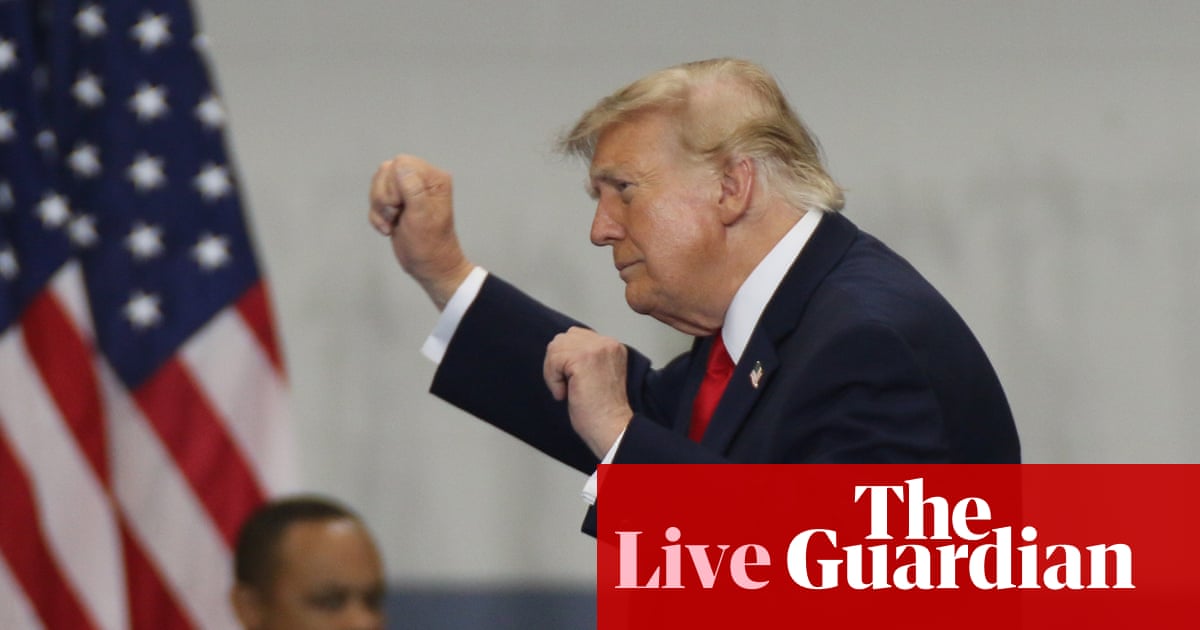
US senators will vote on a war powers resolution to challenge Donald Trump's Iran offensive. The move spotlights rising political and economic unease as fuel costs climb before the midterms.

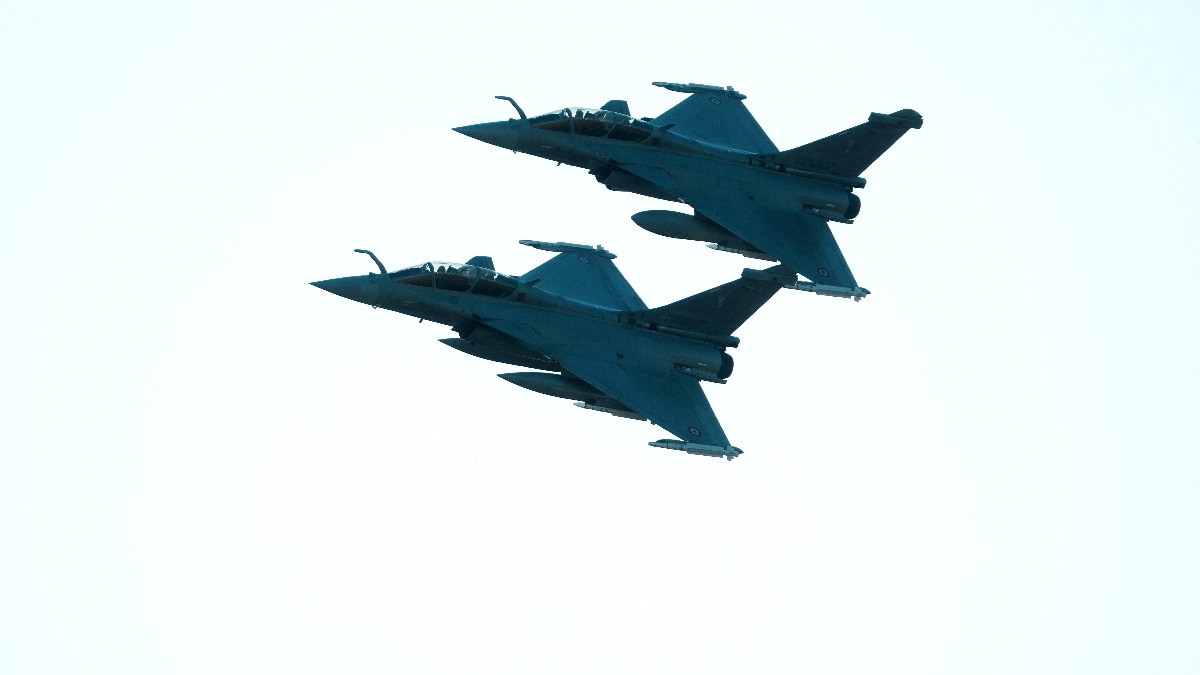
Stock photo used for illustration
Washington,Sep 24, 2026 21:22 IST

US senators are set to vote on Thursday on a war powers resolution that seeks to halt President Donald Trump's military action against Iran, as anxiety over the war grows in Washington and among voters. The conflict has been widely blamed for rising fuel prices and has become a major issue in the run-up to the midterm election.
The vote comes days after Trump's address to the United Nations, in which he threatened to "annihilate" Iran. It is likely to be the last chance for lawmakers to go on record on the war before November, with some Republicans beginning to distance themselves from the president as the conflict stretches on.
Senator Tim Kaine, a Democrat from Virginia who pushed the resolution forward, said, "They have been carrying water for this ridiculous and illegal war for months and months and months and not listening to their constituents. And now they finally are." Senator Thom Tillis, a Republican from North Carolina, said he would support the measure, adding, "We've got to break the cycle."
A new survey by The Associated Press in partnership with KFF found that about half of rural American voters believe the economy is worse now than when Trump returned to office. Grocery, fuel and healthcare costs were listed among their main concerns. War powers resolutions do not have the full force of law and do not go to the president for signature, but they remain one of the sharper tools available to Congress to register disapproval short of cutting off funding.
Republicans who control Congress have largely avoided directly confronting Trump over the war, which has now gone on for more than seven months. But concern is growing as high fuel prices put pressure on voters. According to AAA, diesel prices have nearly doubled and have crossed USD 6 a gallon. After campaigning in Iowa, Kansas and Nebraska for Republican candidates facing difficult contests, Senator John Kennedy of Louisiana said Trump should deliver a prime-time address to explain the strategy and the end goal in Iran. "People are confused about the war and upset about the cost of living," he said.
Even so, some Republicans are still backing the president. Senator Josh Hawley of Missouri, who opposes the resolution, said, "My own view is that the focus right now needs to be on attacking the cost of living issues," and argued that Trump was acting within his authority. House Democratic Leader Hakeem Jeffries dismissed the Republicans now trying to create distance from the conflict, saying, "Now all of a sudden they're waking up."
This is set to be the 14th time the Senate has taken up a war powers resolution since Trump launched the conflict on February 28. Earlier this month, the House passed such a resolution for the third time, with seven Republicans joining Democrats. They included Iowa representatives Zach Nunn and Mariannette Miller-Meeks, as affordability concerns dominate campaigns in that battleground state. The Senate has rarely been able to push such resolutions through. In June, four Republican senators joined Democrats to pass one, but Republicans reversed course the next day after Trump rebuked them in a private lunch. Senator Bill Cassidy of Louisiana defended his vote and ended up in a shouting match with Trump, before later switching sides after receiving a personal White House briefing.
Congress is also looking at other ways to force a rethink of the Iran strategy as the war's cost reaches USD 43.5 billion. Representative Thomas Massie of Kentucky moved articles of impeachment against Defence Secretary Pete Hegseth, but Republican leaders abruptly adjourned the House and sent members home to campaign, avoiding a possible vote. Lawmakers also have the power to restrict military spending, though Republicans have been unwilling to do that so far. Democrats are expected to pursue that option if they win control in the midterm election. Meanwhile, the White House's request for an additional USD 87.6 billion for the war and other needs remains stuck in Congress.
The war powers law, created after the Vietnam War, has long tested the balance between the president and Congress on military action. While the Constitution gives Congress the power to declare war, the president as commander-in-chief can also deploy the military. The law requires the president to seek congressional approval within 60 days of such action or face possible disapproval. Thursday's vote will again bring that unresolved power struggle into focus as lawmakers weigh the war, its political cost and its economic impact.
With PTI Inputs
- Ends