1 hour ago
The US launched strikes on Iranian targets after three tankers were hit in the Strait of Hormuz. The retaliation and revocation of an Iranian oil licence have deepened pressure on Tehran and stalled diplomacy.

Dubai,UPDATED: Jul 8, 2026 03:50 IST
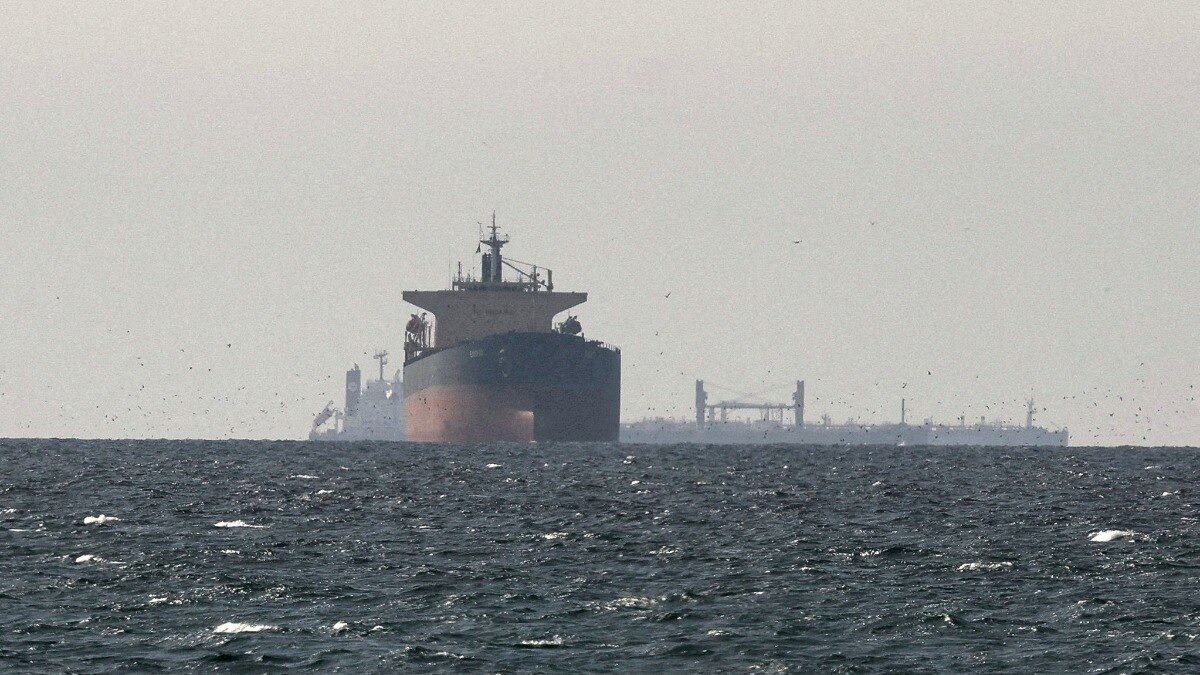
The United States military launched a series of strikes on Iranian targets early Wednesday, after three tankers were hit by projectiles in the Strait of Hormuz on Tuesday, according to the British military. Hours later, Washington also revoked a 60-day licence that had allowed the sale of Iranian oil under an interim deal meant to end the fighting between the US and Iran.
In a statement posted on social media, US Central Command said American forces carried out the strikes "to impose heavy costs for targeting and attacking commercial shipping crewed by innocent civilians in an international waterway". It added: "Iran's demonstrated aggression was unwarranted, dangerous, and a clear violation of the ceasefire." The Iranian mission to the United Nations did not immediately respond to a request for comment.
The attacks were the highest number reported in a single day since late April, according to the UN's Maritime Organization. The fresh assaults raised fears over shipping through the strait at a time when countries had hoped to restore normal movement and reduce the global economic strain caused by the war.
One tanker was travelling off the coast of Oman when it was hit and caught fire, the United Kingdom Maritime Trade Operations Centre said. It later said a projectile struck the left-side engine room of a liquefied natural gas tanker moving south through the strait near Limah, Oman, triggering the blaze. Iranian state television said the tanker came under attack after ignoring warnings, but did not directly claim responsibility.
The other two ships suffered some damage, but no one was injured and both continued on their way, the UK maritime agency said. Later on Tuesday, it reported that an oil tanker was hit on its left side as it exited the strait near the Omani-Emirati border, while a third tanker was struck by a drone off Oman.
Tehran, which has repeatedly said only its approved route through the strait is safe, is suspected of attacking ships that use another route close to the Omani shore. Location details released by the UK agency showed that all three attacks took place off the coast of Oman or the neighbouring United Arab Emirates, suggesting the vessels were using the route near Oman.
A US official said the oil licence was revoked because Iran's actions in the strait were unacceptable and had to be met with consequences. The official spoke on condition of anonymity to explain the reasoning. The licence, issued by the Treasury Department last month, had authorised the production, delivery and sale of Iranian oil through August 21.
The US has been trying to move ahead with negotiations aimed at fully reopening the strait, rolling back Tehran's disputed nuclear programme and securing a permanent end to the war that began on February 28. But the interim deal has come under strain. Previous attacks in the strait have led to US retaliatory strikes, after which Iran attacked Gulf Arab states.
US Vice President JD Vance had said last month that lengthy talks with senior Iranian officials in Switzerland created a "good foundation for a successful final deal" to end the war. US sanctions on the purchase of Iranian oil have been in place since the 1979 Iranian Revolution. After the US and Israel launched the war, and after the strait was closed, Washington had twice allowed temporary Iranian oil sales as an incentive towards a deal.
Talks between Iran and the US now appear to be on hold until after the burial of Iran's Supreme Leader Ayatollah Ali Khamenei, who was killed at the start of the war. Authorities flew Khamenei's body to the Shiite seminary city of Qom, where mourners honoured him on Tuesday. Iranian state television broadcast live images of hundreds of thousands of people walking towards Jamkaran Mosque, just south of Qom, for the funeral service.
Qatar strongly condemned the attack on one of the vessels. Majed Al-Ansari, spokesperson for the Qatari Foreign Ministry, said the Qatari tanker Al Rekayyat was targeted in an "unacceptable attack" on international navigation and global energy security. He called it a "serious and explicit violation" of international law, and said in a post on X that Qatar holds Iran "fully legally responsible".
The Joint Maritime Information Center, a multinational body overseen by the US Navy, told shippers on Monday that the route around Oman "has been expanded and remains available for all traffic". Ships travelling north on the Iranian route must register with Tehran, while those heading south coordinate with Oman and the US. Iran and the US had agreed under the interim deal to allow ships to pass without charges for 60 days, but Tehran later insisted it must control vessel routes and eventually levy passage fees, a move the US and many Gulf Arab states oppose. Data firm Kpler said at least 108 ships crossed the strait last weekend using various routes.
With three tankers hit in a day, US strikes launched on Iranian targets, and the temporary licence for Iranian oil sales revoked, tensions have risen again in the Strait of Hormuz, even as diplomacy remains stalled and funeral rites for Khamenei continue in Iran.
With PTI Inputs
- Ends
Published By:
India Today Web Desk
Published On:
Jul 8, 2026 03:50 IST