1 month ago
The United States launched fresh strikes on Iran after attacks on ships in the Strait of Hormuz. The exchange has strained the interim ceasefire, unsettled markets and raised fears of a wider regional conflict.

Stock photo used for illustration

Dubai,UPDATED: Jul 9, 2026 02:18 IST
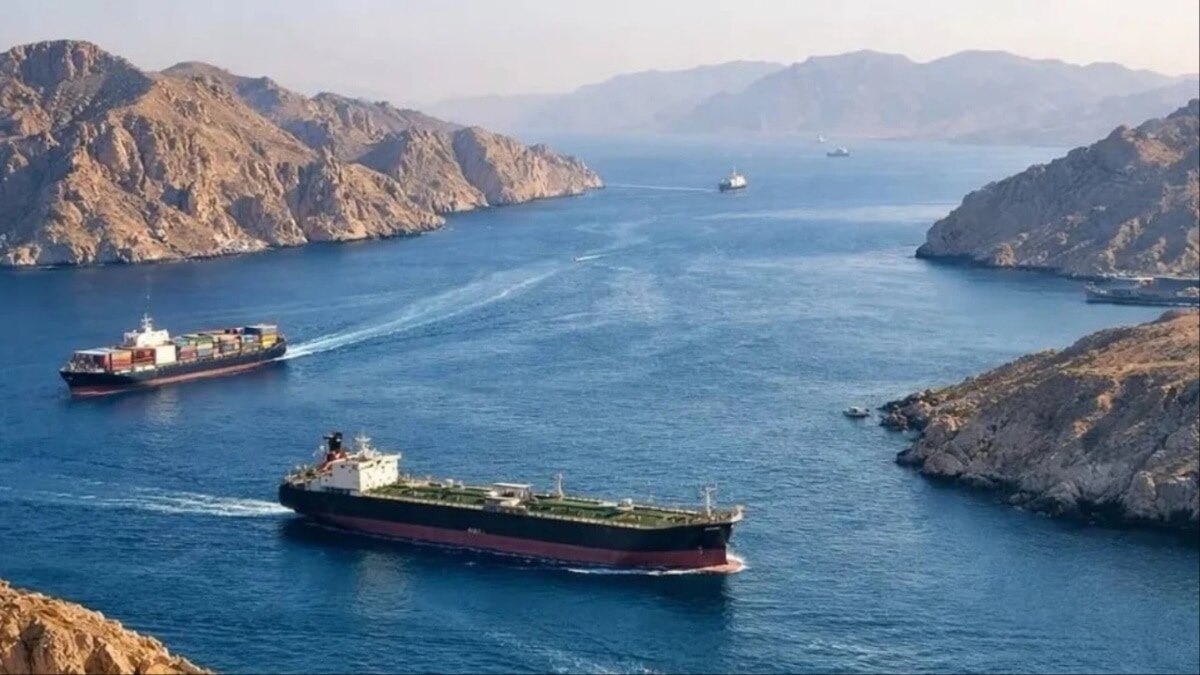
The United States said on Wednesday that it was carrying out another round of strikes on Iran after the Islamic Republic attacked ships in the Strait of Hormuz a day earlier, raising fresh doubts over an interim ceasefire and fears that the conflict could flare up again.
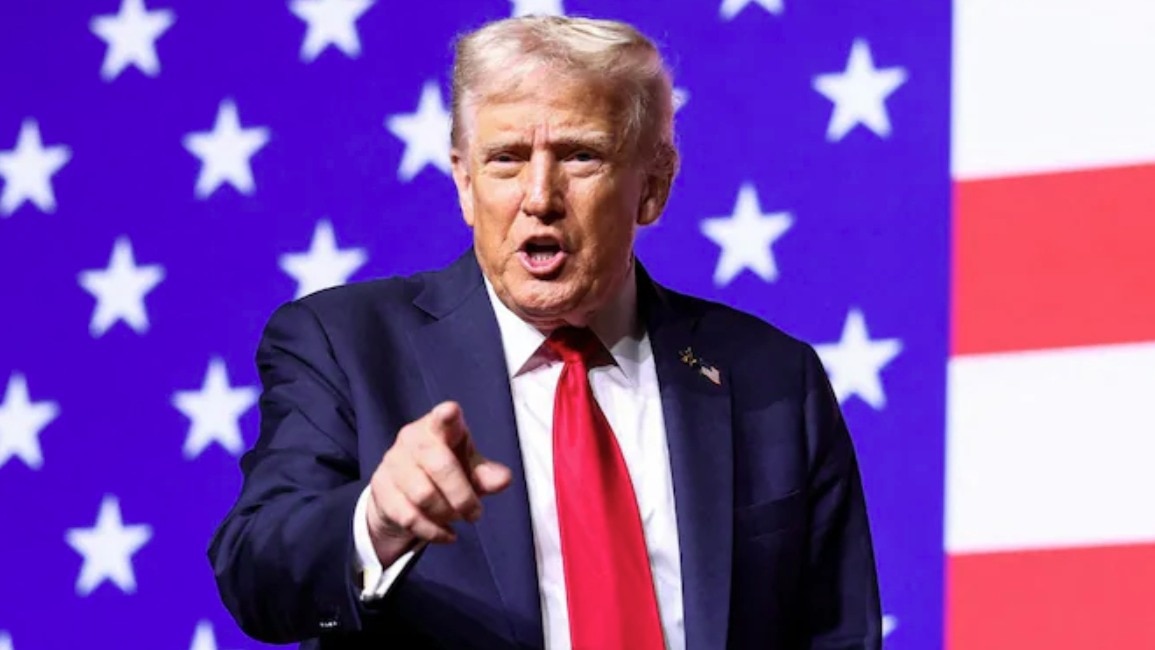
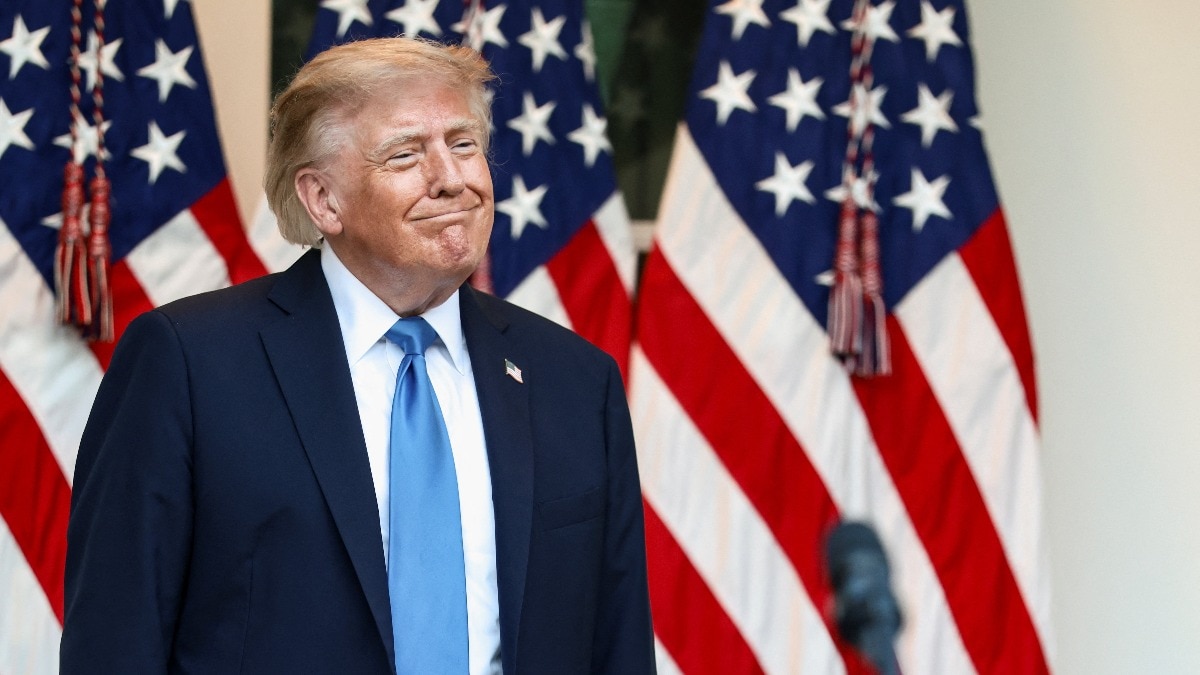
President Donald Trump said earlier that the Iranian attacks signalled the end of the ceasefire and threatened more military action. But later, he said the latest exchange of fire would not lead to a return to full-scale war or to “long-term” military action.
Speaking on the sidelines of a NATO summit in Ankara, Turkey, Trump said the strikes were continued retaliation for Iranian attacks on commercial shipping in the Strait of Hormuz. “They are behaving very badly,” he said of Iran, accusing it of launching drones and a missile at ships. After three tankers were hit on Tuesday, the US launched strikes on Iran, and Iranian forces retaliated by attacking American military sites in the Persian Gulf.
Trump said the US would “probably hit them hard again tonight” and later added that “Anything that happens is going to happen very fast”, though he also suggested the US military might “just finish the job”. A day after the attacks on shipping widened into strikes on Iranian and US military targets, he also renewed past threats to target Iran’s civilian infrastructure, including electric plants and desalination plants, and to seize the oil-production hub of Kharg Island.
The latest exchange of fire heightened fears that the war could resume. Trump said the agreement to pause fighting was “over”, though he added that negotiations could continue. “For me, I think it’s over,” he said when asked about the ceasefire. “They can talk, but I think they’re wasting their time,” he added. His remarks added to uncertainty over the fragile truce, and oil prices rose after he spoke. A renewed conflict could spread across the wider Middle East and again disrupt energy shipments through the strait.
Iran has asserted that the interim ceasefire deal gives it the right to manage traffic through the strait. Parliament Speaker Mohammad Bagher Qalibaf, a key negotiator in talks aimed at reaching a permanent end to the war, said in a post on X: “The era of bullying and extortion is over. It leads nowhere. We don’t fold.” Iranian Deputy Foreign Minister Kazem Gharibabadi, also a top negotiator, said on X that Trump’s remarks “are not a sign of power but an admission of the failure” of US policy towards Iran.
The new attacks on ships, despite ongoing negotiations, could point to divisions within Iran’s leadership. Hard-liners want lasting control over the waterway, while pragmatists want a permanent peace deal to lift international sanctions and ease economic pressure. Talks on a final deal were due to begin after the dayslong funeral for Iran’s Supreme Leader Ayatollah Ali Khamenei, who was killed on February 28 in the opening moments of the war. The funeral ends on Thursday, and the talks are meant to address the hardest issues, including fully reopening the strait and rolling back Tehran’s disputed nuclear programme.
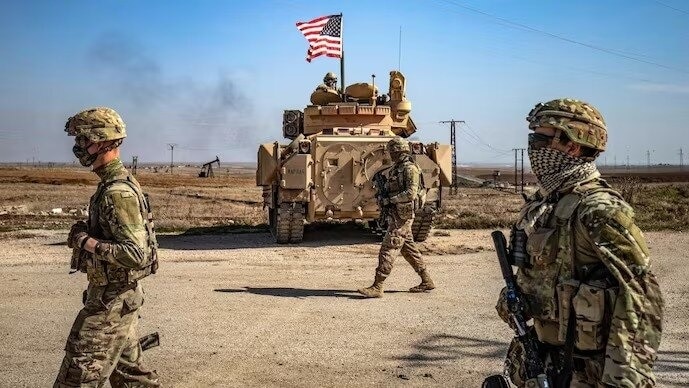
The US military’s Central Command said American forces launched strikes “to impose heavy costs for targeting and attacking commercial shipping crewed by innocent civilians in an international waterway”. It said the strikes hit Iranian targets including air-defence systems, radars and more than 60 small boats used by Iran’s paramilitary Revolutionary Guard. Those boats have been central to threatening ships in the strait, through which a fifth of the world’s traded oil and natural gas passed before the war. Iran’s ability to bring shipping there close to a halt during the war has been one of its main strategic advantages.
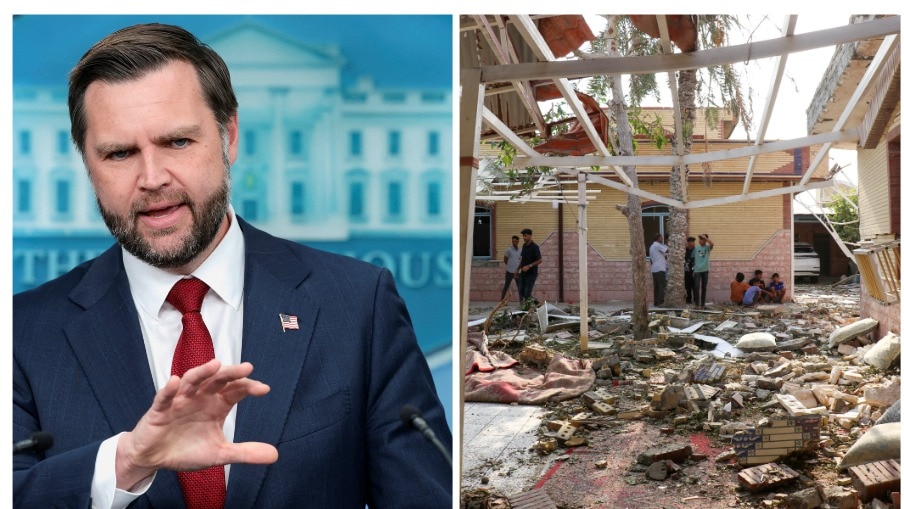
Iranian state media reported explosions in several places, including Bandar Mahshahr, where a Revolutionary Guard member was killed. State television said eight members of the Army’s air and naval forces were killed in Bandar Abbas and Bushehr, which is home to Iran’s nuclear power plant complex. On Wednesday morning, both Bahrain, home to the US Navy’s 5th Fleet, and Kuwait, where US Army forces are based, sounded missile alerts. Rising prices for energy supplies, fertiliser and food have also added pressure on the US to secure a deal.
The latest US strikes, Iran’s attacks on shipping and the sharp exchanges between Washington and Tehran have left the ceasefire under fresh strain, even as negotiations remain formally open.
With PTI Inputs
- Ends
Published By:
India Today Web Desk
Published On:
Jul 9, 2026 02:18 IST