1 month ago
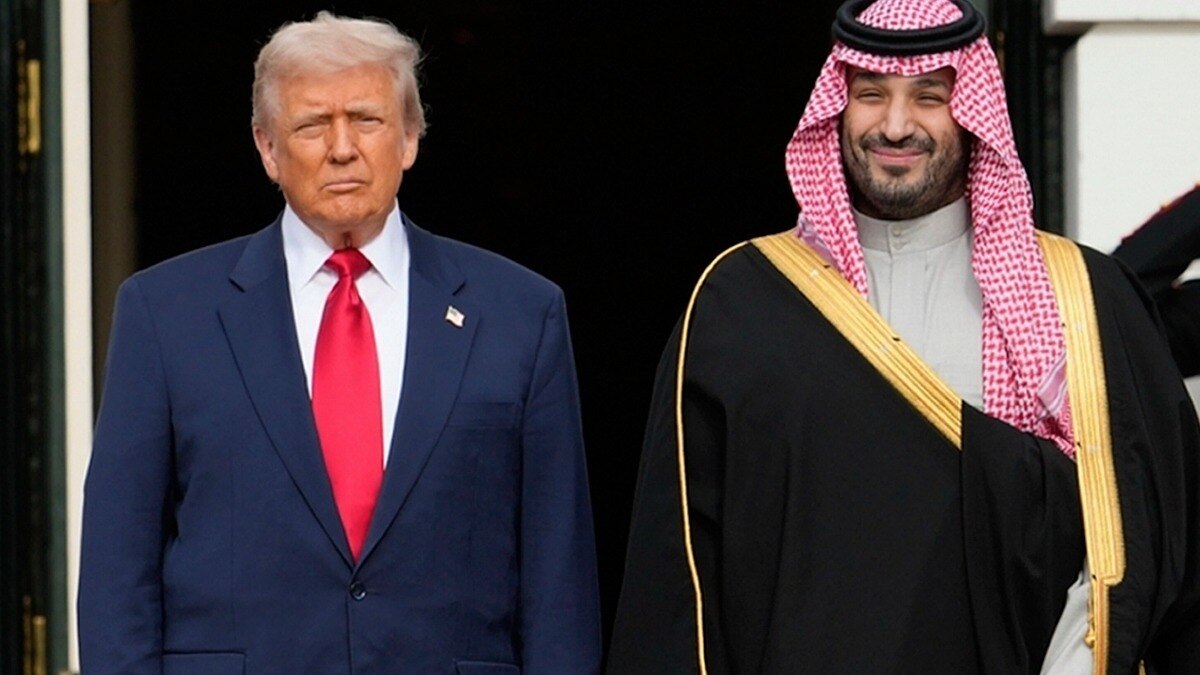
US Treasury Secretary Scott Bessent warned that Iran could be forced to pay for damage caused to Gulf allies, raising the prospect that frozen Iranian assets may become part of Washington's strategy to punish the Iranian regime.
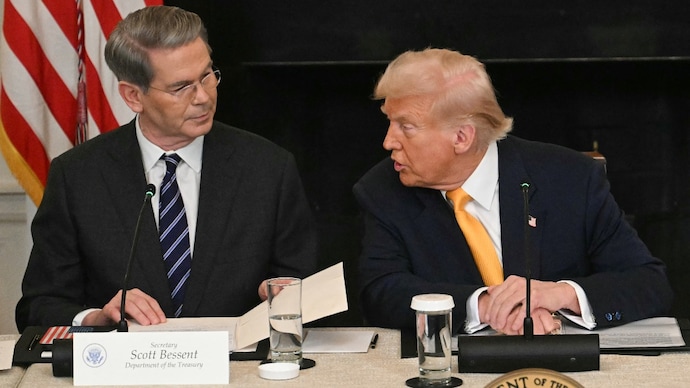
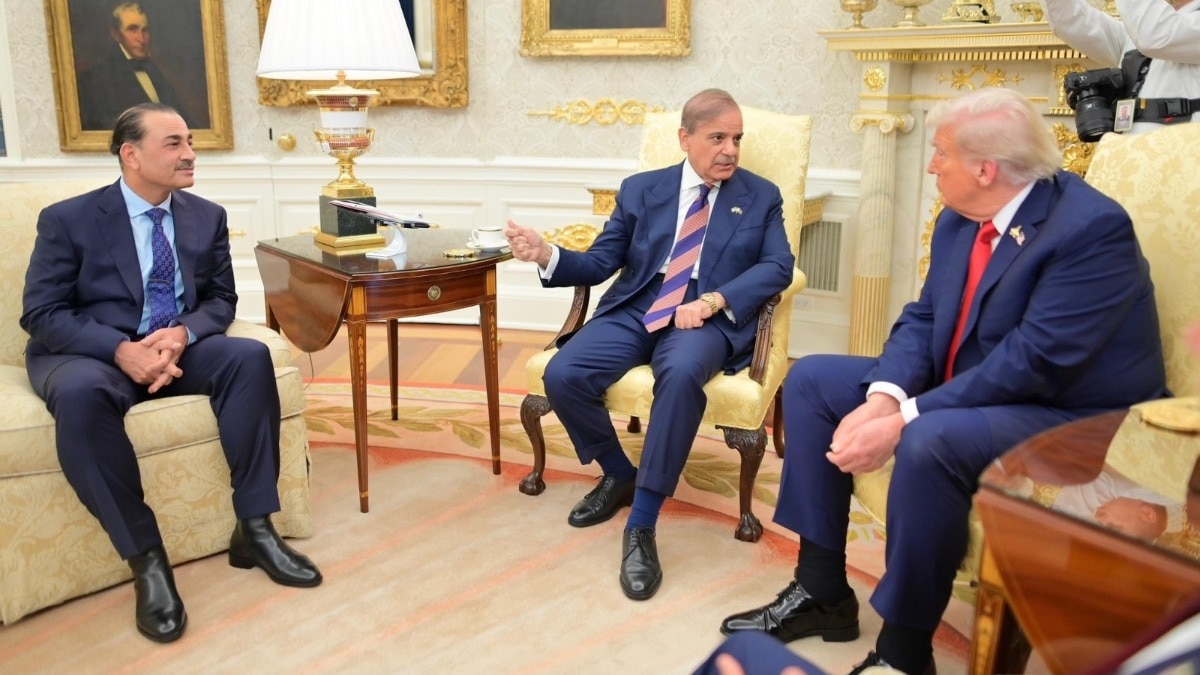
The new prospect to pressure Iran arrives at a moment when diplomacy and escalation are moving side by side. (File Photo)

UPDATED: Jun 11, 2026 20:33 IST
The United States is sharpening its financial pressure on Iran as the war enters a dangerous new phase. On Tuesday, US Treasury Secretary Scott Bessent warned that Iran could be forced to pay for damage caused to Gulf allies, raising the prospect that frozen Iranian assets may become part of Washington's strategy to punish the Iranian regime.
The new prospect to pressure Iran arrives at a moment when diplomacy and escalation are moving side by side. President Donald Trump is threatening new strikes on Iran and floating the idea of Venezuela-like takeover of its oil in future, while indirect negotiators quietly continue discussions over a possible agreement.
In a post on X, Bessent said Iran would ultimately bear the cost of any attacks carried out against countries aligned with Washington in the Gulf.
"The Iranian regime will lose the zero-sum game it is playing. Any damage it inflicts on our allies in the Gulf will be paid for with funds extracted from Iranian Accounts," Bessent wrote.
"Any tolls paid to the Persian Gulf Strait Authority will be offset by funds extracted from their accounts. Every attack Iran launches will only deepen the economic and financial consequences it faces," he added.
IRAN HITS BACK AT US CLAIMS
Iranian officials have repeatedly rejected the idea that their frozen assets could be used to fund reconstruction projects or compensation payments elsewhere in the region.
Deputy Foreign Minister Kazem Gharibabadi had said regional governments had no right to demand reparations from Tehran. Iran's assets were "neither war spoils for Washington nor a payment fund for its allies", he said in a post on X.
Gharibabadi warned that any seizure, transfer or allocation of Iranian assets without Tehran's approval would constitute "a new internationally wrongful act". He added that such a move would trigger an "appropriate response" from Iran.
IRAN EYES NEW RULES FOR HORMUZ TRAFFIC
The battle over frozen assets is unfolding alongside a dispute over the Strait of Hormuz. Before the war, roughly one-fifth of global oil supplies passed through the waterway. Since the conflict began, shipping flows have been severely disrupted.
Iran has insisted that the strait will remain open but under new rules. Iran's ambassador to Moscow, Kazem Jalali, said Tehran and Oman would set new conditions for transit through the waterway, including service-related fees.
"Of course, this strait will be open, but with new conditions to be determined by the Iranian and Omani authorities," Jalali told the Russian newspaper Izvestia.
As the war drags on, billions of dollars in frozen Iranian assets are emerging as the currency of peace between Washington and Tehran.
US RATCHETS UP PRESSURE
On Thursday, President Donald Trump widened the pressure campaign against Iran. Speaking to Fox News, Trump reiterated his desire to take control of Kharg Island, Iran's main oil export hub, although he admitted that Americans may not support a major expansion of the conflict.
"My preference has always been -- take Kharg Island ... my preference would be that. I don't know that America has the stomach for it," Trump said.
Trump also warned that fresh US strikes on Iran were imminent.
"There will be more bombing tonight. It will be bigger, more powerful," he said on the "Fox & Friends" programme.
Despite the threat of additional military action, Trump said communication channels between Washington and Tehran remain open.
TALKS CONTINUE DESPITE ESCALATION
Behind the scenes, efforts to secure an interim agreement have intensified despite continued attacks by both sides.
Iranian and Western sources told Reuters that Tehran and Washington are still exchanging messages over the details of a memorandum of understanding that could pave the way for a broader settlement. According to three Iranian sources, the two sides have reached a understanding in principle, but several major issues remain unresolved.
One of the biggest sticking points is the release of Iranian funds frozen in foreign banks.
"Iran wants $6 billion to $12 billion of its frozen funds to be released to Tehran, while Washington wants to release funds in stages for humanitarian goods and rejects returning funds to Iran outright," one Iranian source told Reuters. Another Iranian official said discussions continue over how much money would be released immediately and the timetable for unlocking additional funds.
- Ends
With inputs from agencies
Published By:
Satyam Singh
Published On:
Jun 11, 2026 20:32 IST