 1 hour ago
Waves of mourners carrying Iranian flags continue to stream towards Tehran's Grand Mosalla, where former Supreme Leader Ali Khamenei lies in state.
Shiite lamentations celebrating the late leader's martyrdom reverberate through the capital as tens of thousands queue patiently to pay their final respects. flags, black mourning banners and religious symbols line the city's broad avenues, while volunteers stationed at almost every intersection guide the swelling crowds expected to run into the millions.
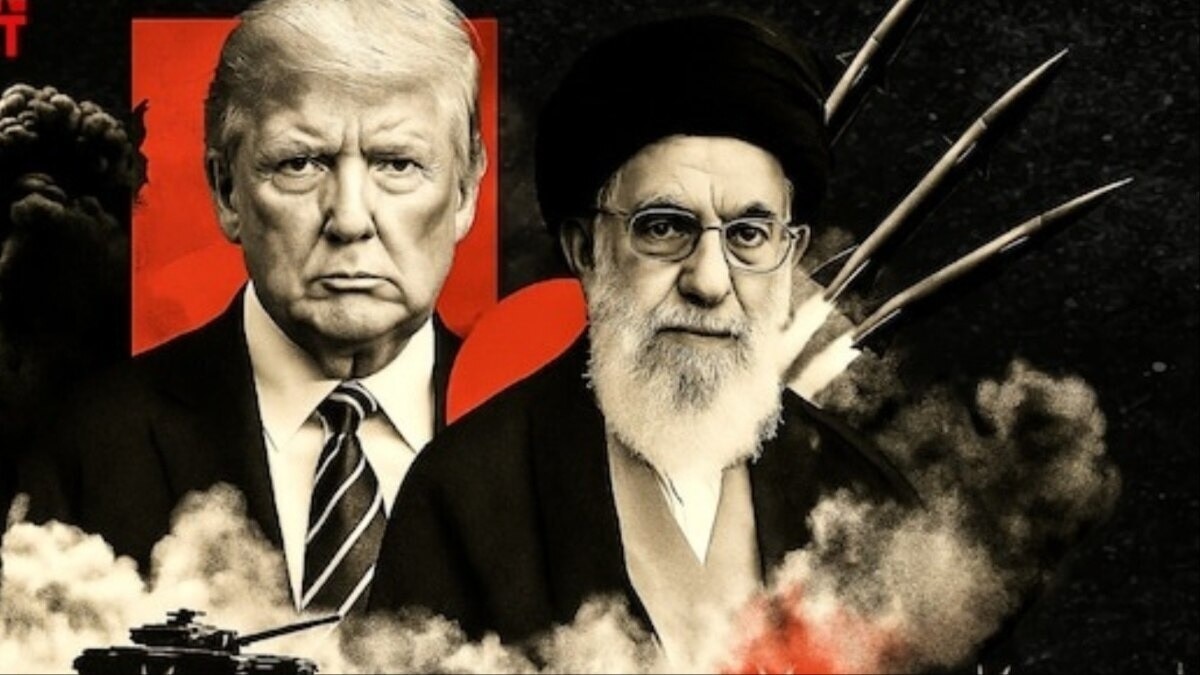
Khamenei, who ruled Iran from 1989 until his death in an Israeli-US airstrike on February 28, is being accorded a farewell that has transformed Tehran into a city draped in grief, devotion and political symbolism.
Yet, another image competes for attention.
Posters bearing the faces of more than 150 children killed in the reported US strike on a girls' school in Minab are displayed across parts of the capital. Their photographs, placed alongside mourning banners, serve as a constant reminder that even as Iran buries its most powerful leader in decades, the scars of the recent war remain painfully fresh.
From Tehran, Khamenei's funeral procession will continue to Qom on Monday before travelling to the holy Iraqi cities of Najaf and Karbala. The former Supreme Leader will finally be laid to rest in Mashhad on July 9.
IRANIAN FROM UK RETURNS TO TEHRAN
Among the mourners making the journey to Tehran is Mazia, an Iranian woman who flew in from the United Kingdom solely to attend the funeral.
Speaking to India Today on her way to the Grand Mosalla, she described her visit as an expression of solidarity with her homeland.
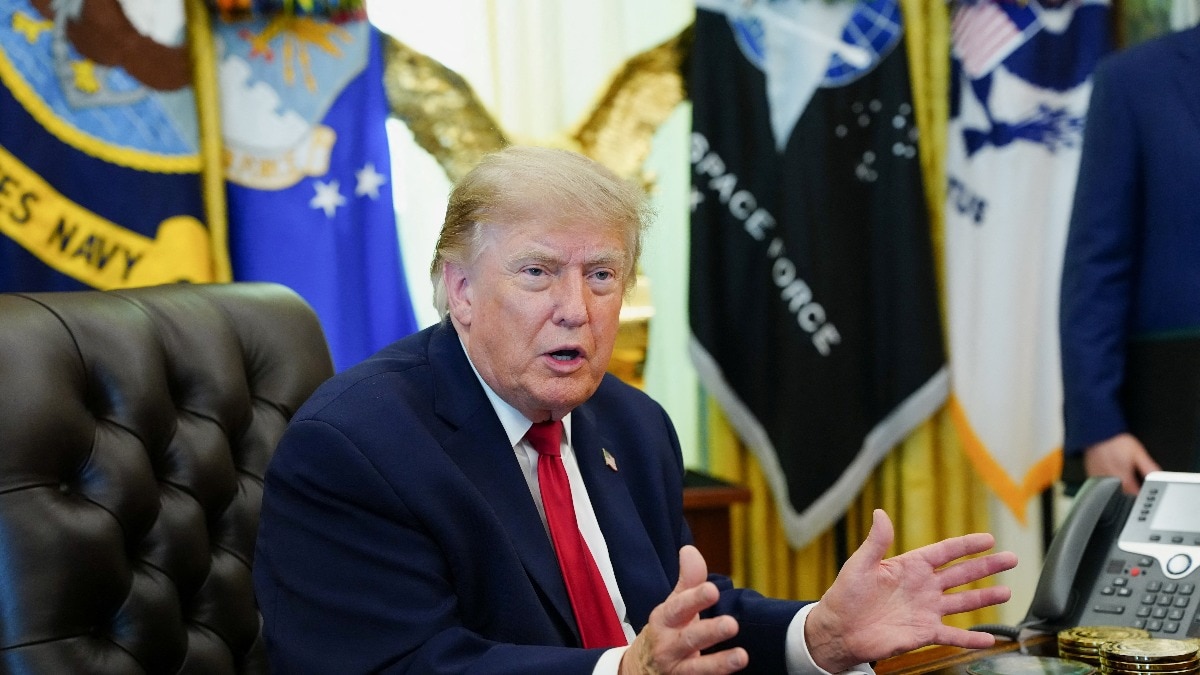
"I came here to tell the world that nobody can destroy a 4,000-year-old civilisation. The person who wants to destroy it is actually destroying his own country," she said, in an apparent swipe at US President Donald Trump.
Her remarks recalled Trump's rhetoric during the conflict, when he warned that Iran's "whole civilisation will die tonight" if the confrontation escalated further.
For Mazia, however, the war has had the opposite effect.
"It has made Iran stronger. It has united the people," she said, arguing that external pressure had only reinforced national resolve.
Drawing parallels with other countries in the region and beyond, she criticised what she described as Western interventionism.
"We need to stand strongly against people who take away the resources of other nations," she said, referring to Venezuela while accusing the United States of pursuing geopolitical interests through military action.
Before joining the line of mourners entering the Mosalla, she dismissed the Western model of democracy. "We don't care about the democracy they gave Syria, Iraq or Afghanistan," she said.
The memories of Minab, she added, remain impossible to ignore. "We have not forgotten the tragedy. Not for a single day."
She urged ordinary Americans to question their government's role in conflicts across the Middle East, saying it was their tax money that financed wars claiming the lives of innocent children.
EMOTIONS SCENES AT MOSALLA
Inside the Grand Mosalla, funeral prayers continue throughout the day.
Among the images drawing the strongest emotional response is the photograph of Khamenei’s young grandchild, placed besides the late leader's coffin, prompting many mourners to break down in tears.
As an unending stream of people continues to pour into the Grand Mosalla, Tehran presents a striking picture: a capital in mourning, a nation still carrying the wounds of war, and a leadership that, at least for now, appears to have succeeded in rallying much of the country behind it.
- Ends
Published By:
Aprameya Rao
Published On:
Jul 5, 2026 18:55 IST