1 month ago
Last Updated:March 05, 2026, 20:08 IST
Nicknamed "lawnmower" of the skies due to its unpleasant sound, the Shahed-136 drone is a loitering munition designed for one-way "suicide" missions


The Shahed-136 loitering munition system was developed by Iran Aircraft Manufacturing Industries Corporation, or HESA. (Image: AP/File)
Iran’s Shahed “kamikaze" drones, which roughly cost between USD 20,000 and USD 50,000, have presented a strategic quandary amid the ongoing conflict in West Asia – this weapon built from cheap, commercial electronics is currently extracting a heavy cost from sophisticated western air defence systems.
As Iran launches swarms of Shahed drones, the United States, Israel and their allies find themselves expending multimillion dollar interceptors to neutralise targets that cost little more than a family car.
The result: a disparity leading to a rapid depletion of western stockpiles. While traditional air defences were designed to intercept ballistic missiles, the “flying moped" sound of the Shahed-136 is now synonymous with a new kind of warfare that prioritises quantity and cost-effectiveness over technological complexity.
Follow US-Israel-Iran War Live Updates Here
‘LAWNMOWER’ OF THE SKIES FOR ONE-WAY MISSIONS
Nicknamed the “lawnmower" of the skies due to its unpleasant sound, the Shahed-136 – often designated as the Geran-2 by Russian military – is a loitering munition designed for one-way “suicide" missions.
Despite its impact, the drone is surprisingly simple. It is a delta-wing aircraft approximately 3.5 metres long with a 2.5-metre wingspan, weighing around 200 kg.
Inside, the technology is largely “off-the-shelf" powered by a four-cylinder, two-stroke MD-550 piston engine – an Iranian reverse-engineered version of a German civilian engine – that drives a wooden pusher-propeller. For navigation, it uses a combination of civilian GPS/GLONASS and an inertial navigation system (INS) often pre-programmed with coordinates before launch.
Watch how the Shahed drone works:
The Shahed, however, has seen significant upgrades between 2024 and 2026. Newer versions feature “Nasir" anti-jamming modules and even commercial 4G/LTE modems to receive mid-flight path corrections.
The drone is launched from simple rails, often mounted on the back of civilian trucks using a rocket-assisted takeoff (RATO) booster that is jettisoned once the piston engine takes over. Carrying a warhead of 30 kg to 50 kg, it can fly at low altitudes to evade radar before entering a steep terminal dive onto its target.
But, most importantly, each aircraft unit is estimated to cost only $20,000 to $50,000.
WHY IS THE WEST WORRIED ABOUT ITS ARSENAL?
The true threat of the Shahed-136 is found in the “math challenge" it presents to modern air defences. This is because the US and allied forces are frequently forced to use Patriot PAC-3 interceptor missiles, costing roughly $4 million each, to destroy a single $20,000 drone.
In some instances, even more expensive THAAD (Terminal High Altitude Area Defence) interceptors, which cost approximately $12 million per missile, are being used.
This disparity creates a “missile math" crisis as Iran has the industrial capacity to produce roughly 10,000 drones per month, as per the Centre for Information Resilience. In contrast, US stockpiles of high-end interceptors are believed to be dangerously low due to competing priorities in Ukraine, the Red Sea, and the Indo-Pacific.
During a 12-day war in June 2025 alone, the US and Israel reportedly consumed a quarter of the entire US inventory of THAAD interceptors. Hence, this imbalance leaves critical strategic assets vulnerable.
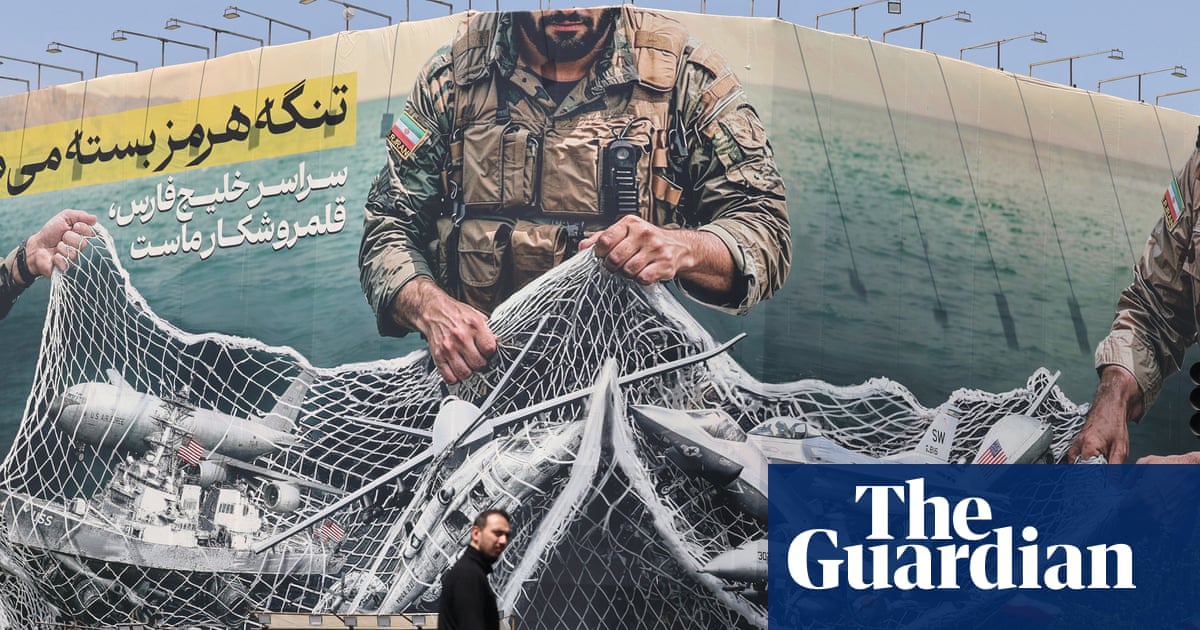
Iran’s primary objective to close the Strait of Hormuz – a narrow chokepoint through which a fifth of the world’s crude oil and liquefied natural gas passes – realised, shipping has already ground to a near halt after strikes on six vessels causing Brent crude prices to jump 12 percent and European natural gas benchmarks to rise by 50 percent in a single week. “All Iran has to do is show they can hit a few tankers and concern will take care of the rest, folks just won’t go through," Bob McNally, president of Rapidan Energy Group, said.
First Published:
March 05, 2026, 19:59 IST
News world What Is The $20,000 Shahed Drone? Western Defenders Paying Heavy Cost To Tackle Cheap Iranian Weapon
Disclaimer: Comments reflect users’ views, not News18’s. Please keep discussions respectful and constructive. Abusive, defamatory, or illegal comments will be removed. News18 may disable any comment at its discretion. By posting, you agree to our Terms of Use and Privacy Policy.
Read More