 17 minutes ago
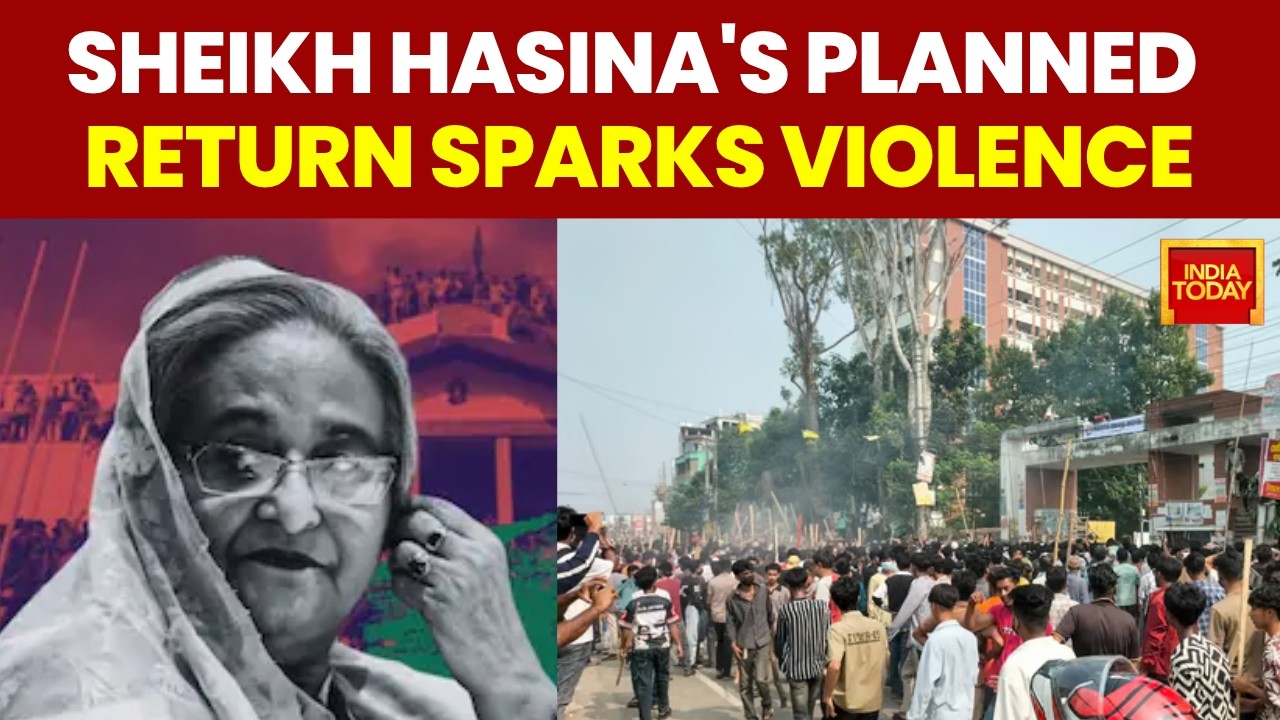
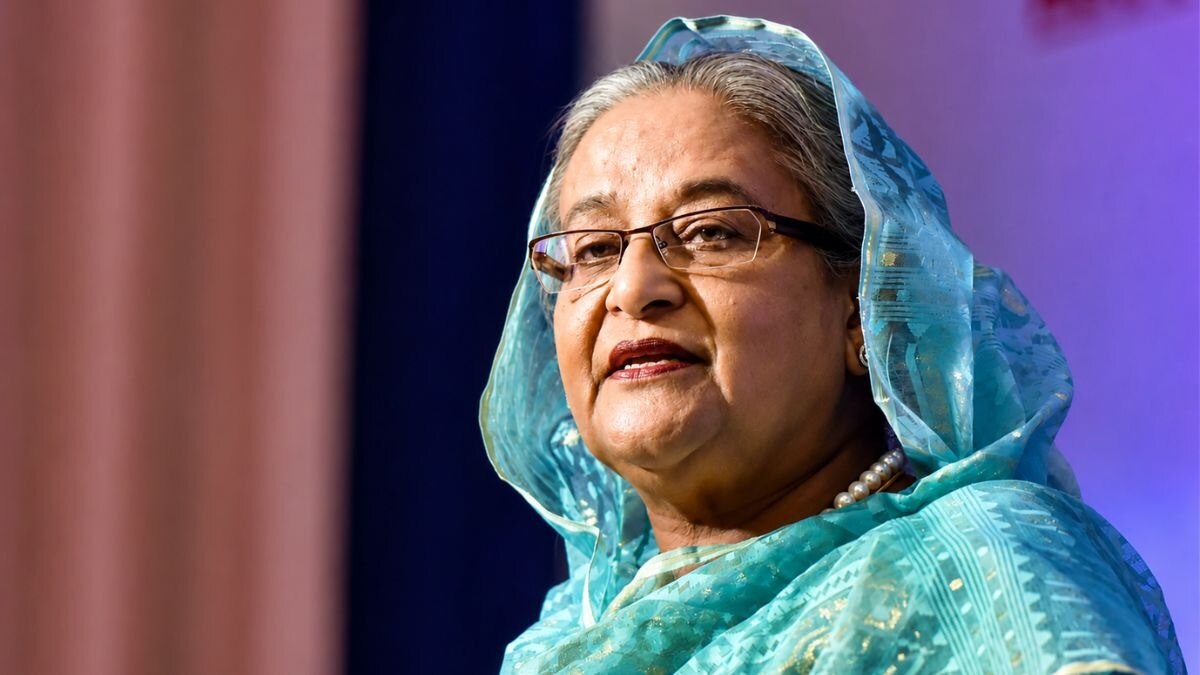
Weeks after teasing her return to Bangladesh, deposed Prime Minister Sheikh Hasina has finally set a date - December 16. The day marks Bangladesh's liberation from Pakistan, with India's help, and is celebrated as Bijoy Dibosh or Victory Day. While the date appears carefully chosen, as Hasina looks to turn her return into a political statement, the road home appears thorny for Bangladesh's longest-serving prime minister.
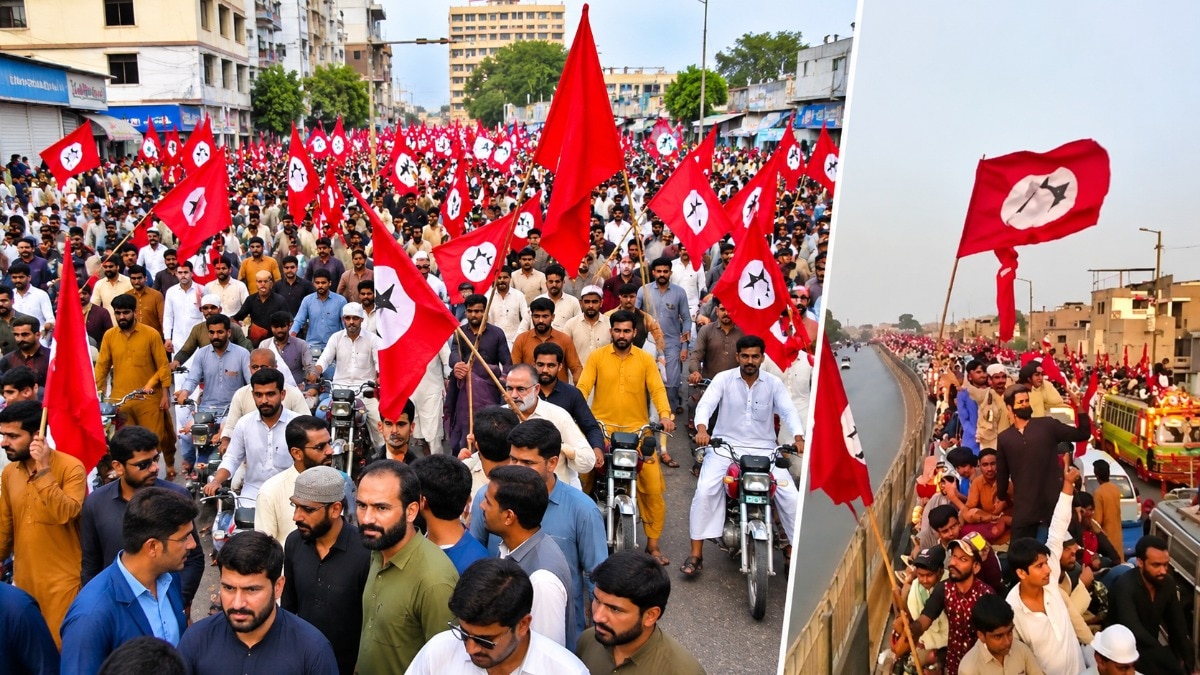
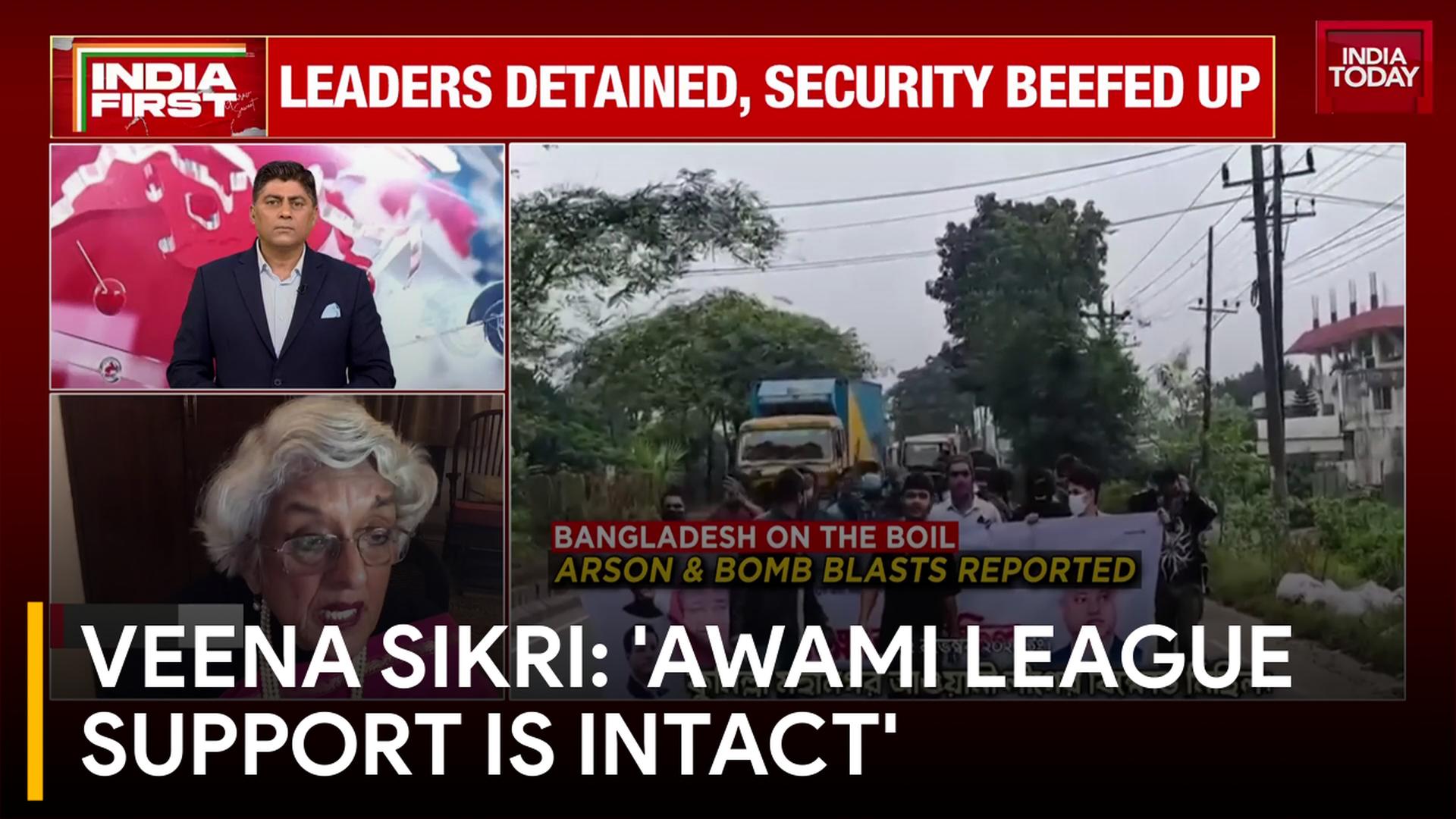
Hasina's impending return, two years since she fled to India following a bloody student-led uprising, has coincided with an unparalleled rise in political violence across the country. An energised Awami League cadre has held massive protests across Bangladesh against the Tarique Rahman government's bid to thwart her return, resulting in clashes, looting and arson. Over the past week, several leaders of the banned Awami League have been arrested. Residences of several leaders have also been set on fire.
WHY SHEIKH HASINA CHOSE DECEMBER 16?
Against this backdrop, Hasina, 80, has set a date for her homecoming. It is being seen as her last-ditch effort to return to Bangladesh politics.
This despite knowing very well that she might be arrested on landing in Bangladesh, where she faces a death sentence after being convicted in absentia for alleged crimes against humanity during the 2024 protests. The violence left over 1,000 dead.
Choosing December 16 is likely a calculated attempt to maximise attention. It is a date that comes loaded with history.
Victory Day is Bangladesh's most emotionally charged national occasion. It was on December 16, 1971, that Pakistan surrendered to the joint forces of the Indian Army and the Mukti Bahini, paving the way for the birth of Bangladesh.
A possible return on that day is likely to put Hasina at the centre of the national conversation.
Hasina had hinted at a December return months earlier. In August, she told reporters that December was Bangladesh's "victory month" and she was eager to return during it. The choice of December 16 now adds another layer to that message.
Moreover, at a personal level, Victory Day carries an emotional significance for the Hasina family.
Her father, 'Bangabandhu' Sheikh Mujibur Rahman, was the driving force behind the independence movement. He went on to become the first president of Bangladesh. The Awami League has gone on to build much of its political identity around the Liberation War.
Thus, returning on December 16 could allow Hasina to invoke that legacy at a time when her party has been banned and is battling for survival. It would also help position herself as a leader returning to the country whose independence was shaped by her father.
The Awami League and all its political wings were banned by the interim government led by Muhammad Yunus in 2025. It was also barred from holding rallies during last year's Victory Day celebrations.
Essentially, by choosing December 16, Hasina is likely looking to play the sympathy card.
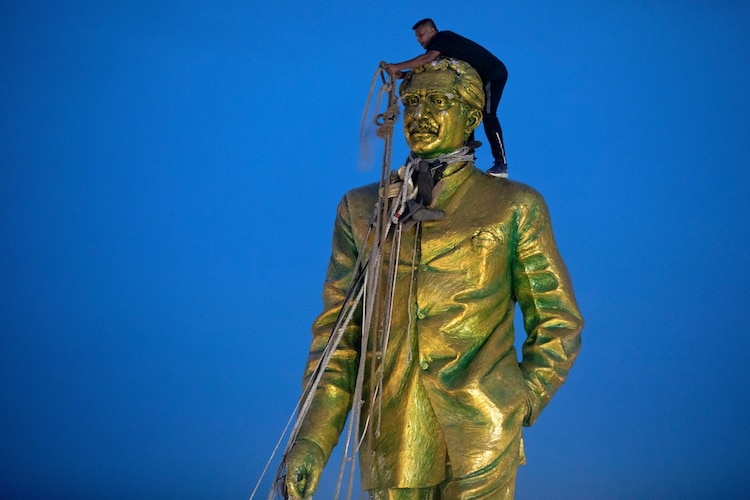
Over the past two years, radical elements have tried to erase much of the legacy of Mujibur Rahman. In February 2025, Rahman's Dhanmondi 32 residence in Dhaka was attacked and set on fire. Other remaining structures were demolished during another wave of vandalism in December 2025.
The timing is also significant, with Tarique's political stocks now low because of the economic and law-and-order situation. It has been a winter of discontent for the BNP government - first facing protests from auto-rickshaw drivers and then by garment workers.
CAN SHEIKH HASINA RETURN TO BANGLADESH?
While setting a date for 'ghar wapsi' is likely to energise Hasina's supporters, the bigger question is how she would actually return.
Her spokesperson, Syed Mozammel Ali, has urged the Bangladesh government to arrange a Biman Bangladesh aircraft to bring her back.
"Since Sheikh Hasina was flown to India on a Bangladesh aircraft on August 5, 2024, she now calls upon the government to arrange for her air transport from Delhi back to Dhaka," her spokesperson said in a statement.
However, Bangladesh has previously made it clear that there have been no discussions with India on sending an aircraft to bring Hasina back.
The former prime minister faces a death sentence after she was convicted in absentia for alleged crimes against humanity during the 2024 protests, which left over 500 dead.
While Hasina has sought a passport and a new national identity card from the government for her return, Bangladesh has categorically rejected issuing the travel documents to a "terrorist". It has sought her extradition under a "prisoner transfer process".
With her political survival at stake, Hasina seems to have chosen a date loaded with history for her return to Bangladesh. She wants to return as a political leader. But the Tarique Rahman government has insisted she could return only as a fugitive.
Whether she actually makes it back remains uncertain and shrouded in mystery.
- Ends