1 month ago
Last Updated:January 30, 2026, 10:20 IST
Pakistan’s move to join Trump’s Board of Peace has triggered questions about timing and affordability, coming just days after an IMF tranche was cleared for its struggling economy.

Pakistan PM Shehbaz Sharif joined Donald Trump's Board of Peace in Davos. (AP)
Pakistan’s announcement that it will join US President Donald Trump’s Board of Peace has come at a moment when the country’s finances are under extraordinary strain. The decision followed soon after the IMF approved a fresh tranche of $1.2 billion (Rs 0.11 lakh crore) for Islamabad, intended to stabilise an economy burdened with rising debt, high inflation and repeated bailouts.
For many, the timing alone has triggered an unavoidable question: whether IMF funds, directly or indirectly, are enabling Islamabad to align itself with an expensive geopolitical venture.
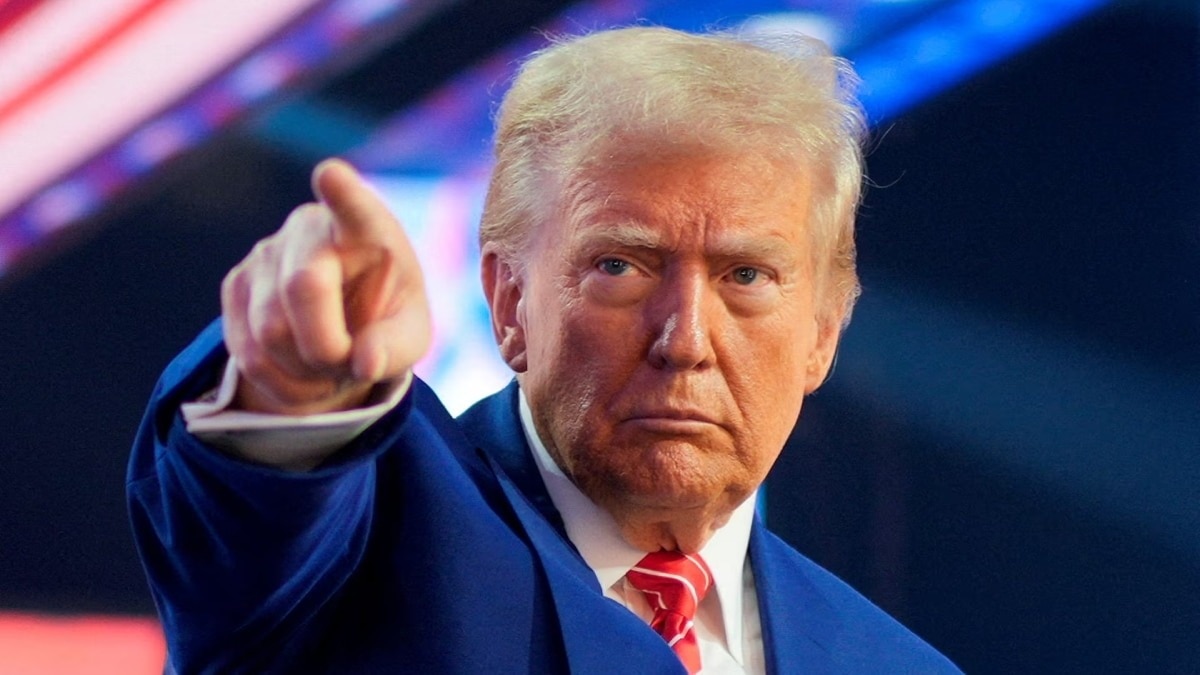
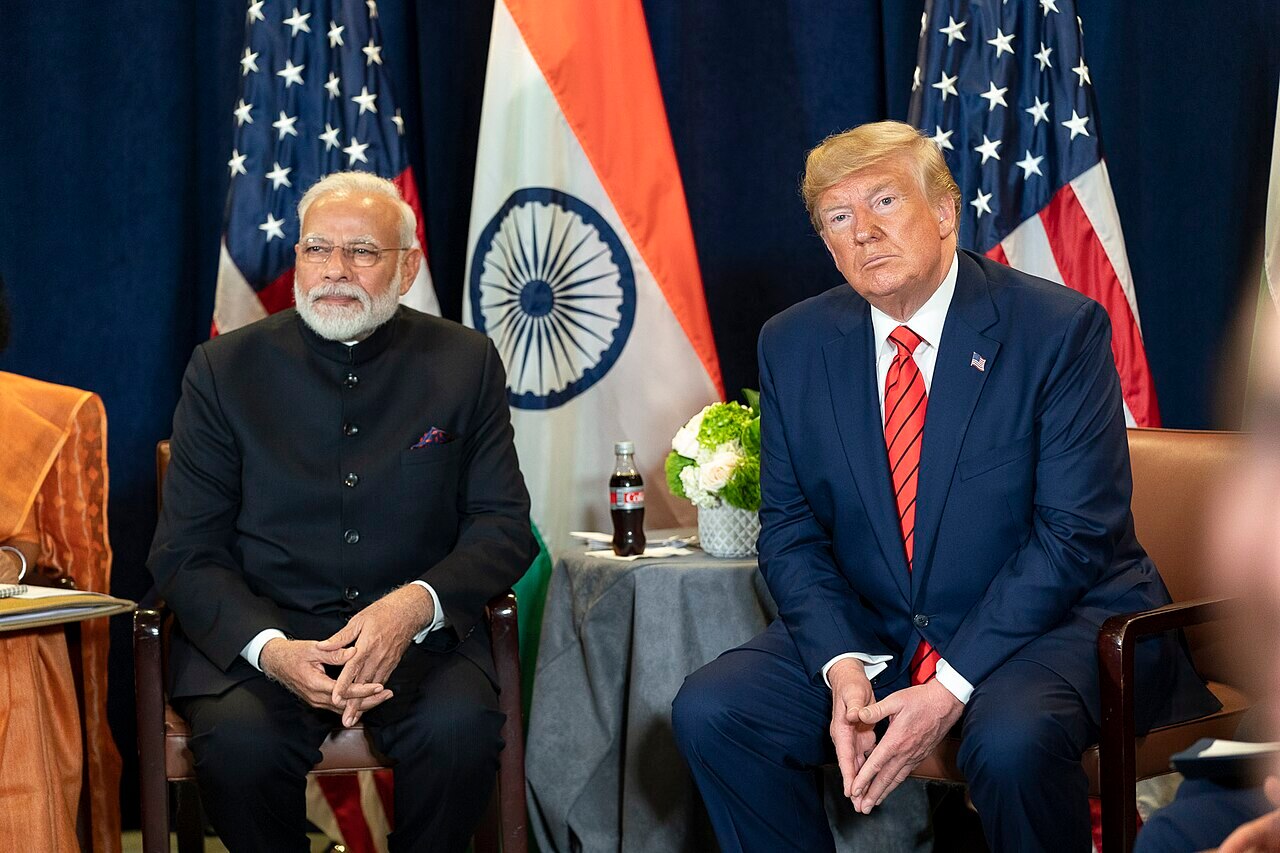
The Board of Peace is not a routine multilateral forum. It is an initiative personally unveiled by Trump at the World Economic Forum in Davos, framed as an alternative mechanism for conflict resolution and reconstruction, with an initial focus on Gaza.
Trump has asked countries that want to remain on the board permanently to contribute over $1 billion (Rs 0.92 lakh crore) in cash within the first year. Pakistan has not said it will pay the amount, but even the presence of such a commitment has raised questions about affordability at a time when the country is struggling to meet basic domestic needs and is dependent on IMF support.
What The Board Of Peace Is Intended To Do
The Board of Peace is designed as an international body tasked with promoting stability, restoring governance and supporting peace in conflict-affected areas. Its charter describes the need for a more effective and agile peace-building structure, emphasising pragmatic decision-making and the willingness to move away from approaches that have failed in the past.
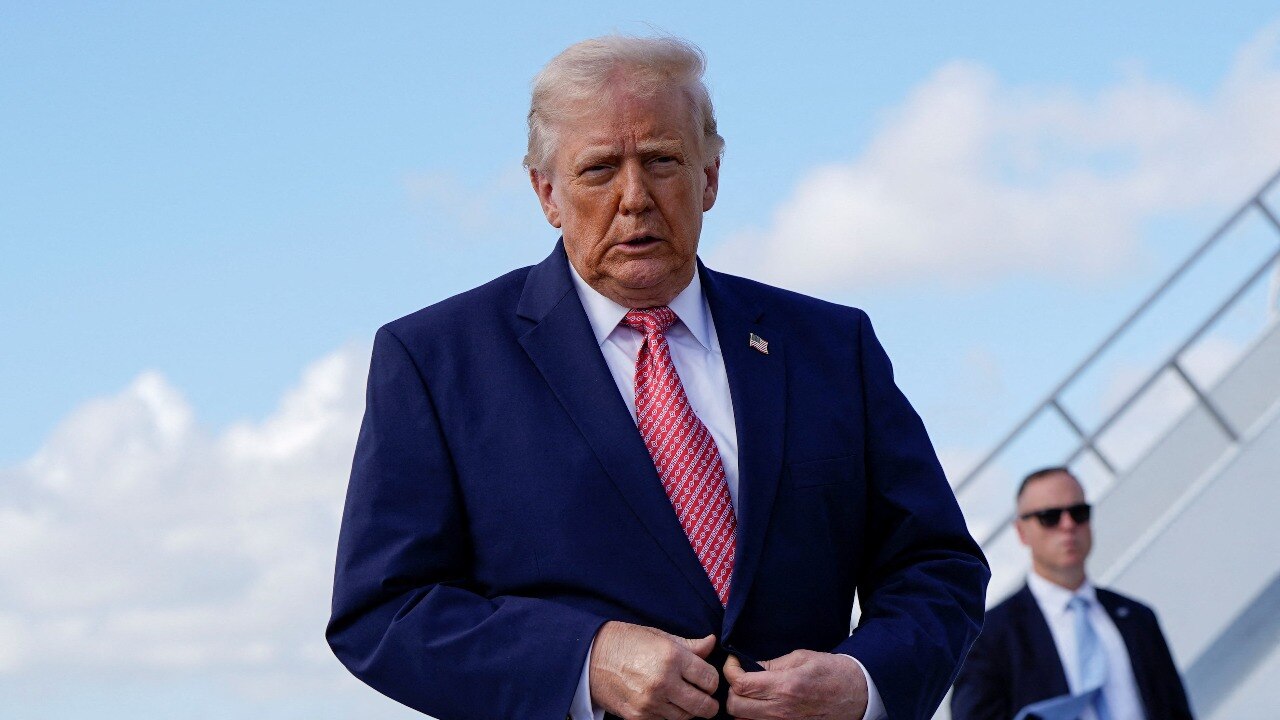
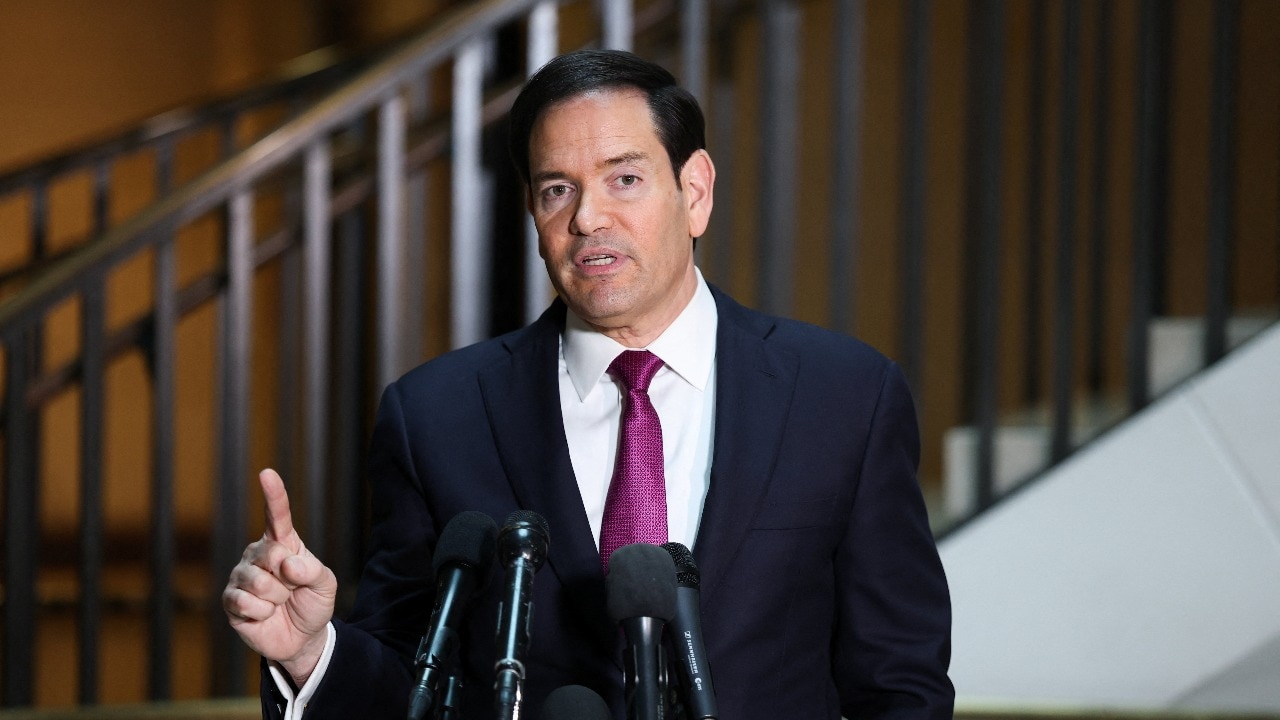
Trump chairs the forum and holds full authority over its membership and direction. Other figures on the board are former UK prime minister Tony Blair, US Secretary of State Marco Rubio, Trump adviser Jared Kushner and Trump’s special envoy Steve Witkoff.
More than two dozen countries have agreed to join so far, including Hungary, Bulgaria, Israel, Saudi Arabia, the United Arab Emirates, Egypt, Turkey, Belarus, Bahrain, Jordan, Qatar, Armenia, Azerbaijan, Morocco, Pakistan, Indonesia, Kosovo, Uzbekistan, Kazakhstan, Paraguay and Vietnam.
Notably, no permanent member of the UN Security Council other than the US has agreed to participate.
Some countries like Canada, France and the UK have declined invitations outright, others have indicated a reluctance to join a forum that appears to challenge the structure of the UN.
The $1 Billion Clause
What has amplified concerns in Pakistan is the funding model. The draft charter stipulates that member states serve a three-year term unless they contribute one billion dollars within the first year, in which case the term may become effectively permanent. The contributions are framed as funds earmarked for reconstruction in conflict-hit areas, most immediately Gaza.
“Each Member State shall serve a term of no more than three years from this Charter’s entry into force, subject to renewal by the Chairman. The three-year membership term shall not apply to Member States that contribute more than USD $1,000,000,000 in cash funds to the Board of Peace within the first year of the Charter’s entry into force," the draft reportedly says.
Pakistan’s IMF Lifeline And Mounting Fiscal Pressures
The IMF’s recent approval of $1.2 billion includes $1 billion (Rs 0.09 lakh crore) under the Extended Fund Facility and $200 million (Rs 0.018 lakh crore) under the Resilience and Sustainability Facility. This is part of a larger package of $3.3 billion (Rs 0.30 lakh crore) allocated under both programmes.
Pakistan currently owes the IMF more than $7.35 billion (Rs 0.68 lakh crore) and has approached the organisation nearly two dozen times since the late 1950s. It narrowly avoided default in 2023, and secured a $7 billion (Rs 0.64 lakh crore) bailout last year.
It was also granted a new $1.3 billion (Rs 0.12 lakh crore) climate resilience loan in March. This $1 billion (Rs 0.09 lakh crore) was the first tranche of the overall bailout package.
These inflows have not eased Pakistan’s broader debt burdens. External debt stands at $134 billion (Rs 12.33 lakh crore) as of September 2025, while its total public debt reached nearly $286.832 billion (Rs 26.39 lakh crore) in June 2025, a 13 per cent increase over 2024, with the debt-to-GDP ratio close to 70 per cent.
Islamabad has also sought loan rollovers from friendly countries, including a request to the UAE to extend and reduce interest rates on a $2.5 billion (Rs 0.23 lakh crore) facility.
The strain on ordinary households is evident in long-term survey data. According to the Household Integrated Economic Survey, the share of money spent by households on food has fallen from 43 per cent to 37 per cent between 2005 and 2025, while spending on housing and utilities has risen from 15 per cent to a quarter of household budgets. According to the editorial in The News , about 20 million children in Pakistan remain out of school.
Against this backdrop, any perception that national resources could be redirected towards an international initiative is bound to generate public unease.
Domestic Backlash and Persistent Skepticism
The decision has drawn specific criticism within Pakistan. One prominent concern has been the absence of any Palestinian representative at the Board of Peace ceremony. “It is telling and unfortunate that no Muslim country, including Pakistan, has objected to the exclusion of Palestinians from Trump’s Board of Peace," Maleeha Lodhi, Pakistan’s former envoy to UN, said on social media.
It is telling and unfortunate that no Muslim country including Pakistan has objected to the exclusion of Palestinians from Trump’s Board of Peace.— Maleeha Lodhi (@LodhiMaleeha) January 24, 2026
Political criticism has come from the opposition as well. Imran Khan’s Pakistan Tehreek-e-Insaf (PTI) said Pakistan’s “participation in any international peace initiative should complement and reinforce the United Nations’ multilateral system".
Some observers fear that the country’s ruling establishment may continue to prioritise strategic visibility over structural economic reforms, particularly when those reforms involve politically sensitive measures such as reducing subsidies or restructuring state-owned entities.
The Central Question: Is IMF Money Being Used?
There is no confirmation that Pakistan is directly using IMF funds to pay any fee associated with the Board of Peace. However, the concern persists because of the broader context. IMF money is keeping the economy afloat, easing immediate pressure on Pakistan’s foreign reserves and public budget.
Any future decision to allocate national resources towards an international initiative would inevitably be viewed through that lens.
The question is therefore as much about political perception as it is about financial accounting. When a government surviving on external bailouts chooses to align with a forum that carries a billion-dollar price tag, even the appearance of misaligned priorities becomes politically consequential.
Handpicked stories, in your inbox
A newsletter with the best of our journalism
First Published:
January 30, 2026, 10:20 IST
News explainers Will Pakistan Use IMF Aid Money To Meet Trump’s $1 Billion Board Of Peace Demand?
Disclaimer: Comments reflect users’ views, not News18’s. Please keep discussions respectful and constructive. Abusive, defamatory, or illegal comments will be removed. News18 may disable any comment at its discretion. By posting, you agree to our Terms of Use and Privacy Policy.
Read More