 1 month ago
US President Donald Trump and Israeli Prime Minister Benjamin Netanyahu weighed three possible paths on Iran during a closed-door White House meeting. Here's what was discussed and why it matters.
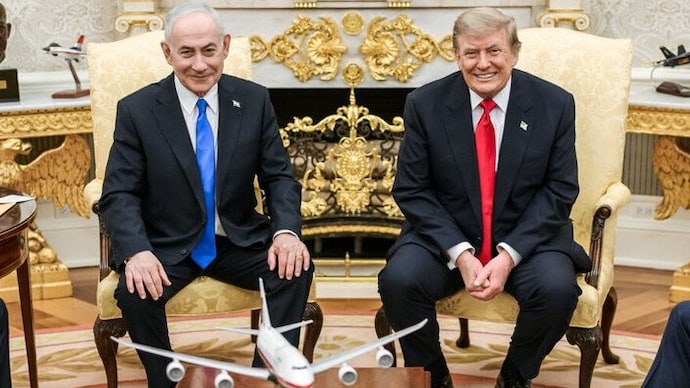
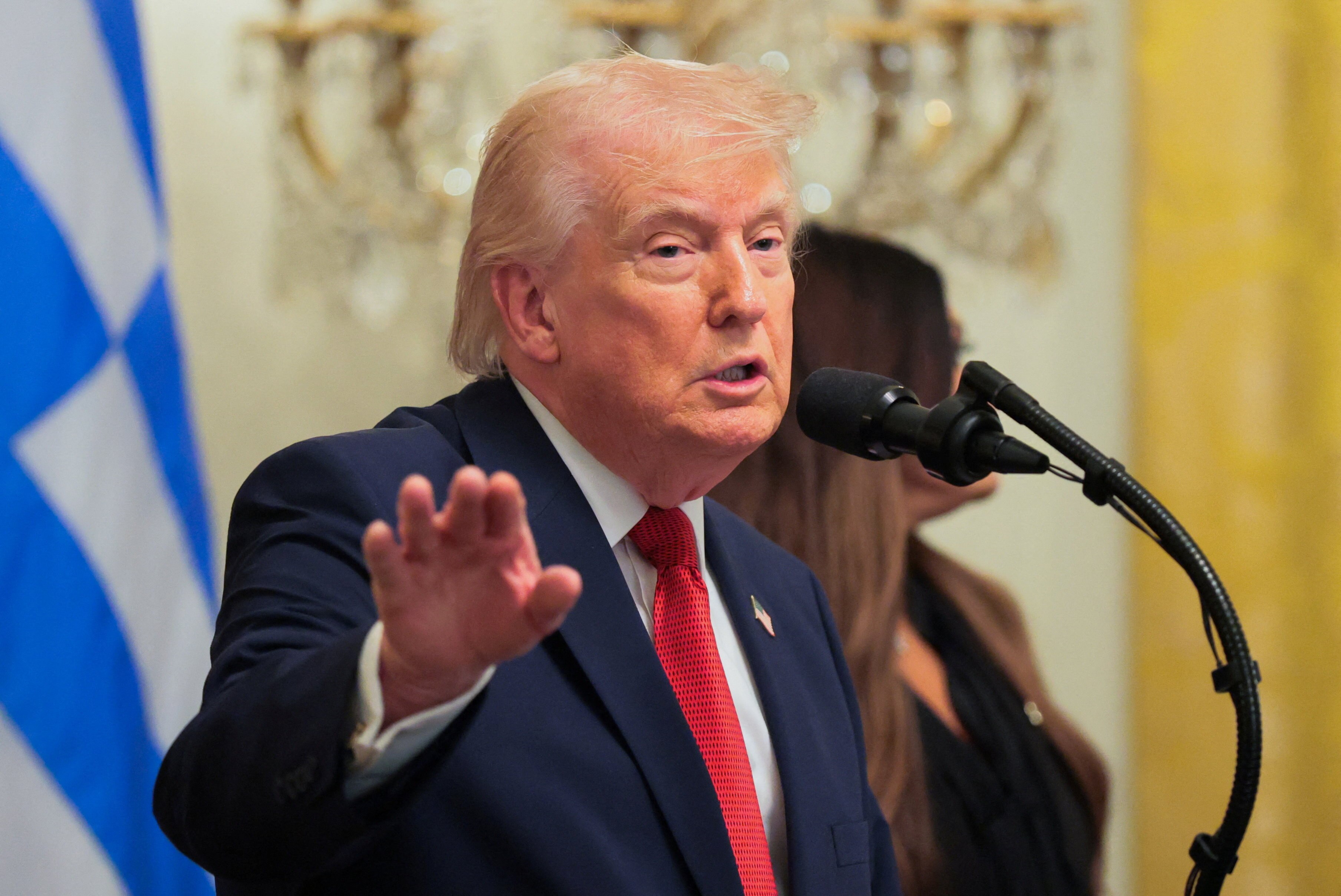
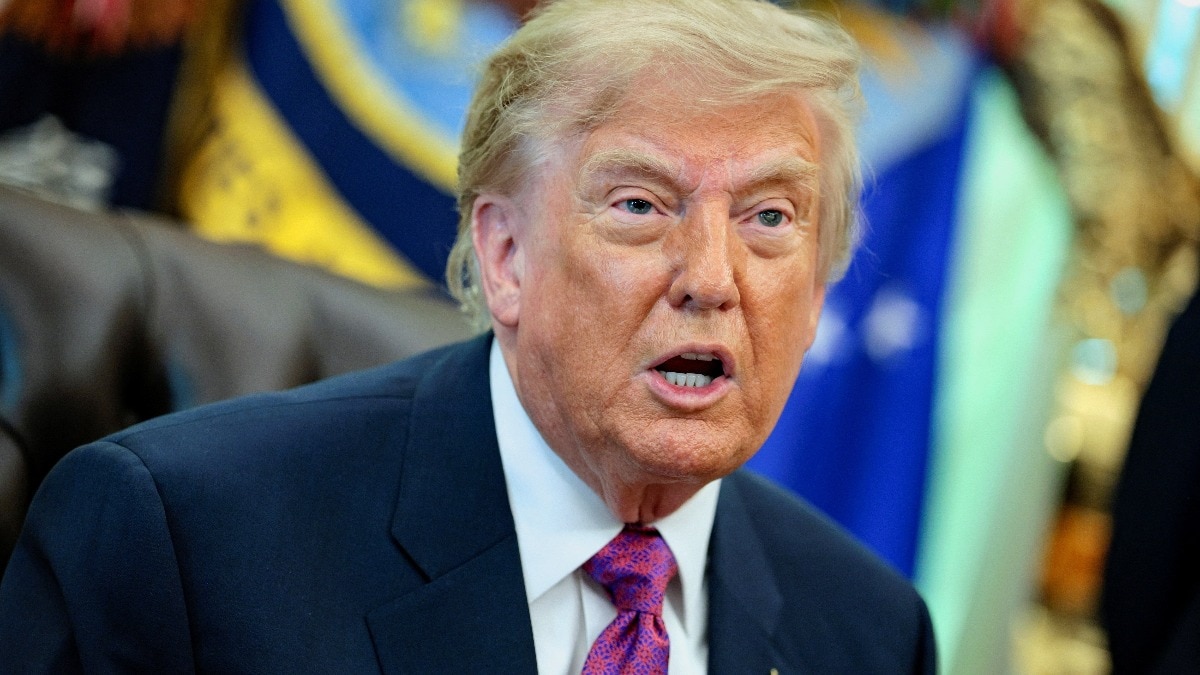
Trump and Netanyahu examined three possible courses of action. (Photo: X/White House)
Israeli Prime Minister Benjamin Netanyahu walked into the White House this week with one message for US President Donald Trump: keep every option on the table when it comes to Iran. But according to Israeli officials, the nearly 90-minute meeting was less about pushing Washington toward another war and more about weighing every possible path -- diplomacy, economic pressure and military force -- as the conflict entered a dangerous new phase.
The high-level talks, held on Tuesday, came at a crucial moment. Trump is still pursuing negotiations with Tehran side by side with preparations for large-scale military operations after pausing US strikes last week. Hours after the meeting ended, Iran launched ballistic missiles at a US base in Jordan, prompting Trump to vow a forceful response.
THREE PATHS TO DEAL WITH IRAN
According to Axios, Iran dominated the discussion. Trump and Netanyahu examined three possible courses of action.
The first was pursuing a negotiated agreement. Trump envoys Steve Witkoff and Jared Kushner remain engaged in talks with Iranian officials, although the official cited in the report admitted that significant differences persist between the two sides. Netanyahu conveyed his doubts that Tehran would ultimately agree to a deal capable of preventing its nuclear ambitions.
The second option was to maintain the naval blockade around Iran while tightening economic pressure through additional measures.
The third involved resuming and expanding military strikes if diplomacy and sanctions fail.
"We discussed all of those options at length and very candidly. Not as an attempt to promote one option over another, but to examine what the best outcome would be from each. That's what the conversation was about," the official told Axios.
According to Reuters, Netanyahu did not press Trump to immediately resume attacks on Iran, stressing instead that "in the end, it's his decision".
TRUMP WORRIED ABOUT THE GLOBAL ECONOMY
While military options were on the table, the meeting also flagged tensions about the wider economic fallout from the conflict. According to Axios, Trump raised concerns over soaring energy prices and the impact prolonged fighting could have on the global economy.
Netanyahu said that Iran was increasingly relying on the Strait of Hormuz as its last remaining source of leverage over Washington. Rather than easing pressure, he said, intensifying economic measures while maintaining the blockade.
The briefing also offered a rare glimpse into Israel's assessment of Iran's internal decision-making. According to the official, there is an ongoing debate within the Iranian leadership between those worried about economic collapse and hardliners who believe the regime can survive as long as it retains military control.
The official also made claims regarding Iran's supreme leader, Mojtaba Khamenei.
"He is alive, but nobody can testify that they've actually seen him. He told his people not to do anything without getting his approval, and even once allegedly got angry when they didn't," the Israeli official said, as quoted by Axios.
SYRIA, SAUDI ARABIA AND A REGIONAL STRATEGY
Iran was not the only regional issue discussed.
Netanyahu reportedly showed Trump a map comparing Israeli and Turkish military presence inside Syria, arguing that Turkey controls a far larger portion of Syrian territory than Israel. The Israeli leader told Trump that Israel would continue holding the buffer zone in southern Syria for as long as it considered jihadist groups a threat.
"Netanyahu wanted to show this to Trump because sometimes he forms certain opinions based on inaccurate information that some people give him. If you don't find a way to change his opinion early on, it becomes fixed. So we wanted to present the facts, visually if possible," the official said.
The two leaders also discussed a possible US-Saudi nuclear agreement. Trump linked the issue to any future normalisation of relations between Saudi Arabia and Israel.
NETANYAHU PUSHES FOR DEFENCE INDEPENDENCE
Another major topic was the future of US military assistance to Israel.
According to the Israeli official, Netanyahu told Trump, Vice President JD Vance and special envoy Steve Witkoff that Israel wants to gradually eliminate its dependence on American military aid over the next decade. The proposal includes negotiating a new memorandum of understanding that would provide direct military assistance while also expanding joint missile defence and weapons development programmes.
Netanyahu has even instructed Israel's defence industry to begin work on developing a next-generation fighter aircraft within the next 10 years to reduce reliance on US-made F-35 fighter jets, according to Reuters.
The timing of the meeting was significant. It followed open criticism of the Trump administration's proposed Iran MoU by several Israeli ministers, remarks that prompted a strong reaction from Vice President JD Vance. Netanyahu also met Marco Rubio and Pete Hegseth separately as part of his Washington visit.
- Ends
Published By:
Satyam Singh
Published On:
Jul 30, 2026 01:50 IST