4 weeks ago
Last Updated:January 10, 2026, 12:17 IST
US President Donald Trump’s comments drew attention especially because both the US and Denmark, which governs Greenland, are members of the North Atlantic Treaty Organisation.
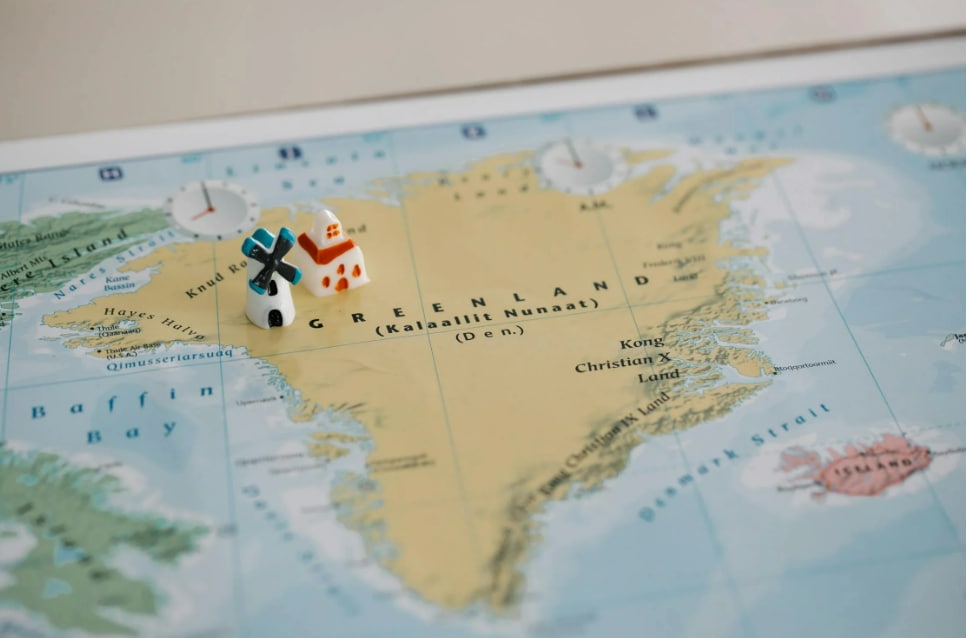
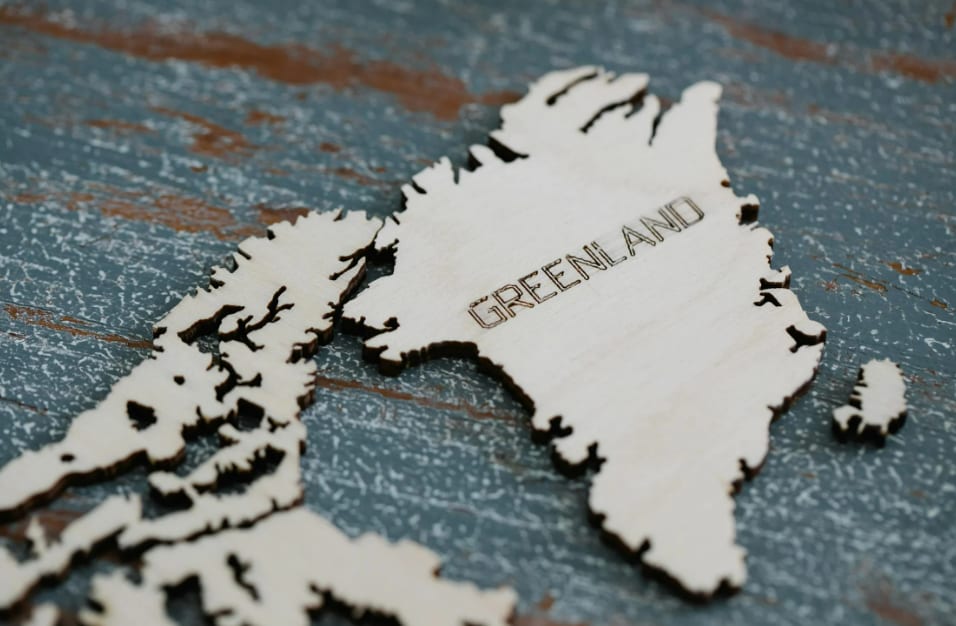
Greenland, a vast Arctic island dominated by ice and glaciers, has unexpectedly found itself back in global conversations due to recent remarks made by US President Donald Trump. During a recent meeting at the White House on Friday, January 9, with senior oil and gas executives, Trump once again spoke about why he believes it is important for the US to “own” Greenland. He has been pushing this controversial idea since 2019. (Photos: Pexels)
.")
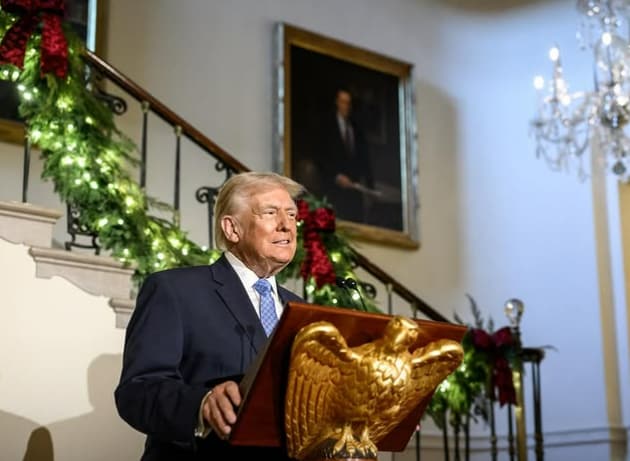
Positioning himself as a global “peacemaker,” Trump argued that the issue was less about territorial ambition and more about preventing Russia and China from expanding their influence in the Arctic region. His remarks were accompanied by renewed talk that military action could not be ruled out. "I would like to make a deal, you know, the easy way. But if we don't do it the easy way, we're going to do it the hard way," Trump said. His comments drew attention especially because both the US and Denmark, which governs Greenland, are members of the North Atlantic Treaty Organisation (NATO). (Photo Credits: Instagram)
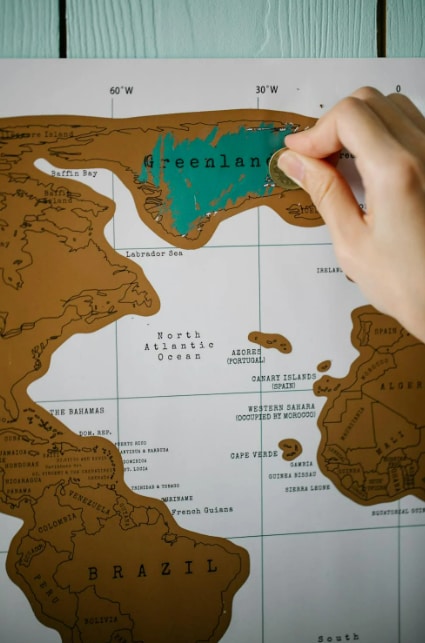
But as political debates go on, a question has resurfaced online: why is Greenland called Greenland at all? At first glance, the name Greenland appears misleading. Around 80 per cent of the island is covered by ice, and much of its terrain remains frozen year-round. This very irony has puzzled many, particularly as discussions about the island’s strategic importance dominate headlines. (Photo Credits: Pexels)
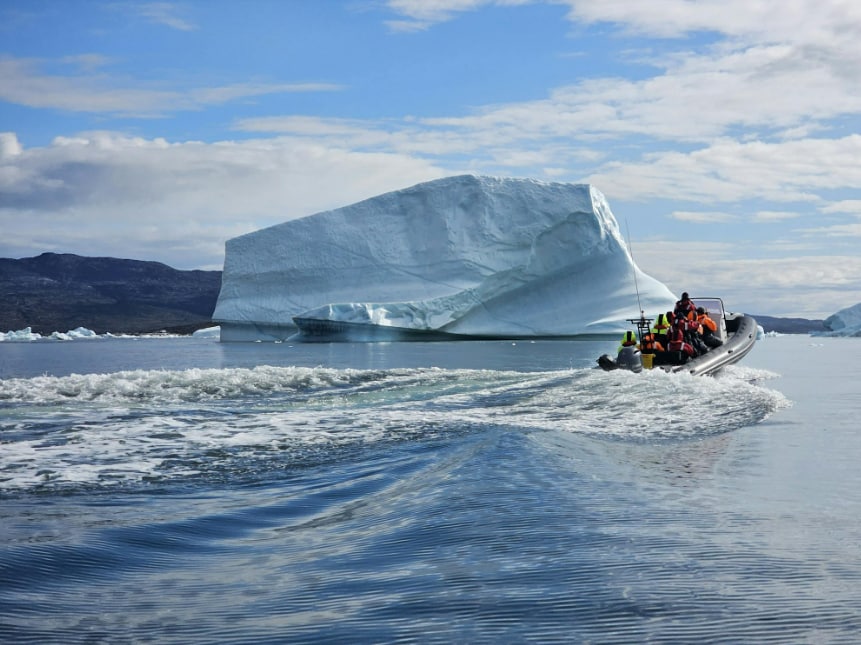
Recently, a short explanatory video revisited this long-standing curiosity that offers historical context behind the contrasting names of Greenland and Iceland. These two neighbouring lands’ names seem odd with their actual geography. The narrator opens with a question that many have wondered about: “Why is Greenland called Greenland when it is 80 per cent made up of glaciers and almost completely covered in ice? And why is Iceland famous for its green landscapes and hot springs called Iceland? It seems these names were mixed up. Well, it was actually a Viking trick.”
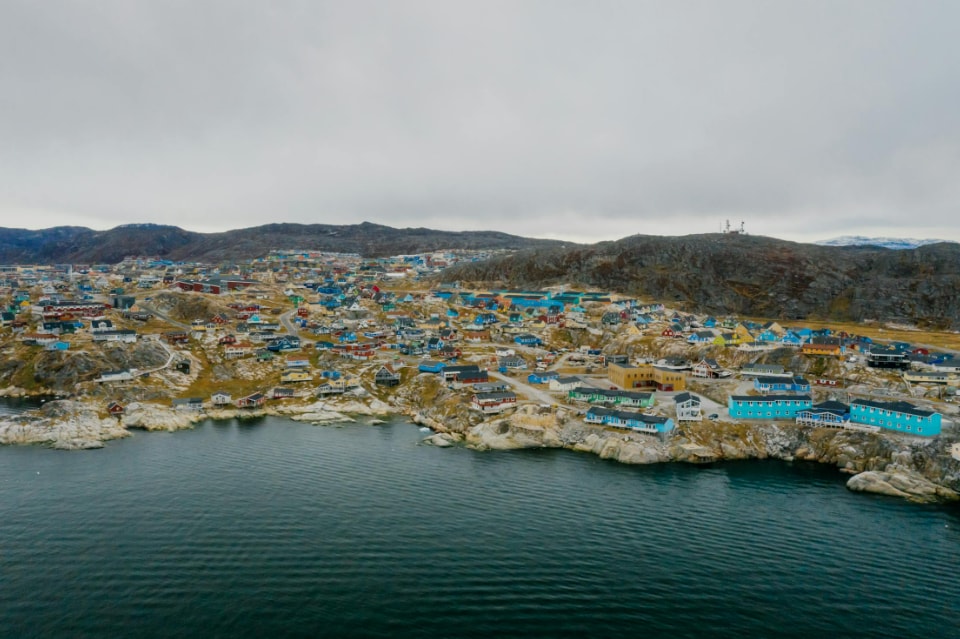
The explanation traces back over a thousand years to the Viking Age. Vikings, who originated from Scandinavia (modern-day Norway, Denmark and Sweden), were seafaring explorers known for their longships, raids and settlements across Europe and beyond. Between the late 8th and 11th centuries, they established communities in Iceland and Greenland and even reached parts of North America.
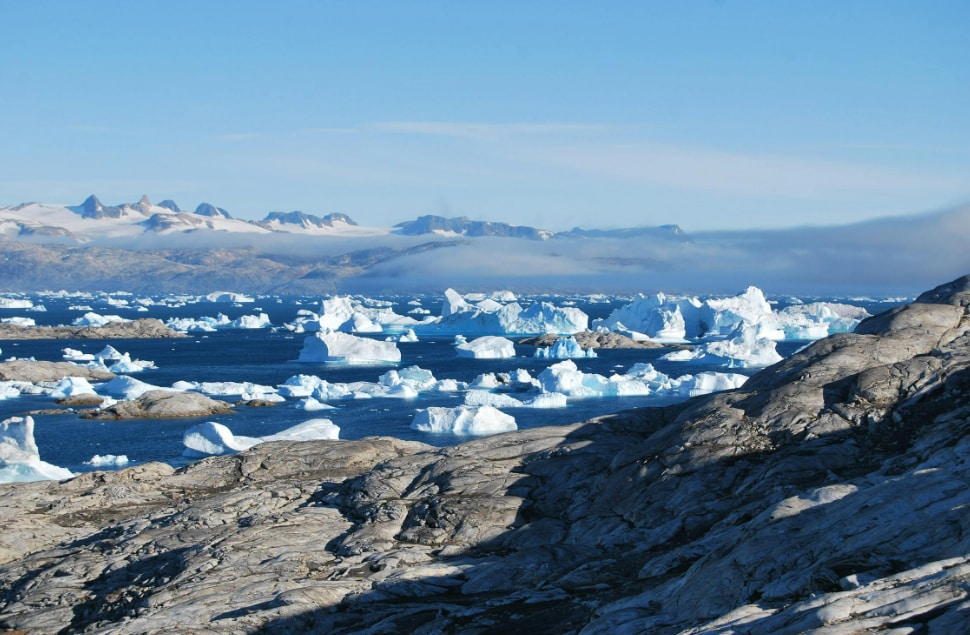
According to the video, Iceland was named first. Norwegian Vikings arrived there in the 9th century during winter and encountered a land dominated by ice and snow. Based on what they saw, they named it Iceland. The narrator explains, “In the 9th century, Norwegian Vikings were the first to reach the shores of Iceland. It was winter, and as they saw nothing but ice and snow, they naturally named it Iceland.” Naming lands based on first impressions was common among explorers. The video points out that Florida, for example, got its name from Spanish explorers who arrived during a season of abundant flowers.
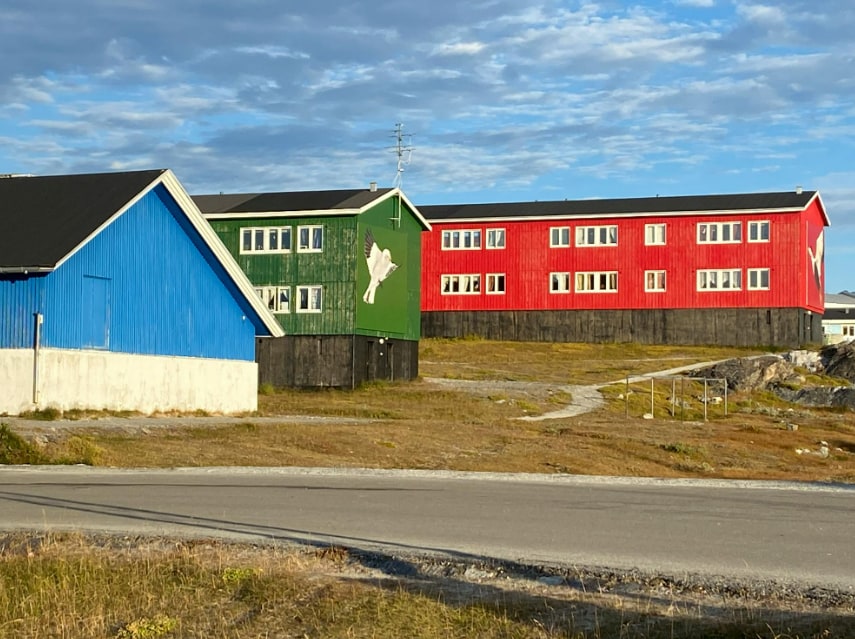
Greenland’s name came from a “clever” decision. The video goes on to explain that Greenland was named later by Erik the Red, a Viking who had been exiled from Iceland for crimes. While searching for new lands to settle, he travelled west and encountered a massive island that was largely icy. Understanding that it would be difficult to attract settlers to such a place, Erik chose a more persuasive approach. “Realising that it would be difficult to attract settlers to the island, he used a clever trick and named it Greenland, the opposite of Iceland, of what it actually was to make the name sound attractive to new inhabitants,” the narrator says. The name was less about geography and more about marketing.
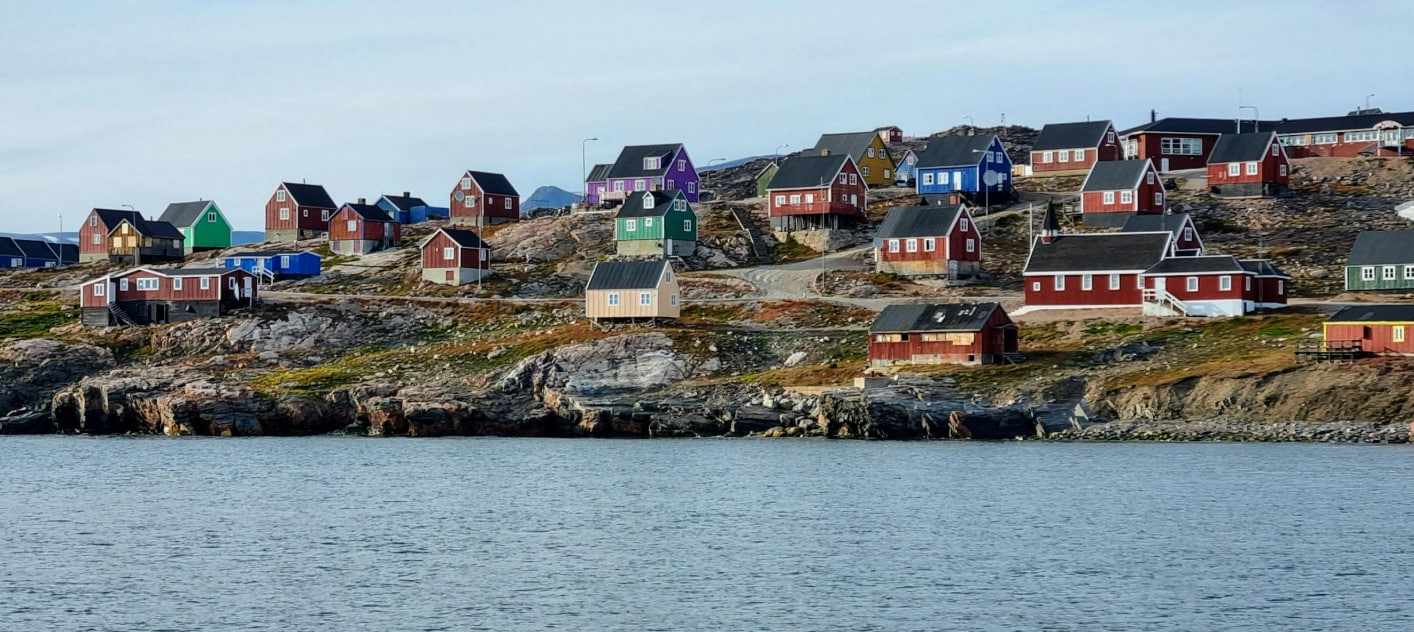
While the island’s name may have historical roots in Viking persuasion, modern Greenlanders have been firm about their identity and future. Following Trump’s latest remarks, Greenland’s political leaders issued a rare joint statement criticising what they described as the US’ disregard for their autonomy. “We do not want to be Americans, we do not want to be Danes, we want to be Greenlanders. The future of Greenland must be decided by the Greenlandic people,” the leaders stated as quoted by Financial Express.
Concerns were also raised about Trump’s repeated claims that Russian and Chinese ships are increasingly present in Greenland’s waters. Speaking to The Guardian, Jess Berthelsen, chair of Greenland’s national trade union confederation SIK, dismissed these assertions outright. “We can’t see it, we can’t recognise it and we can’t understand it,” he said and added that Greenland “will not be annexed.” Berthelsen further questioned the basis of Trump’s claims, saying, “The Danish navy is travelling in Greenland waters, and our big trawlers are also everywhere. If that had been the case, they could have told us already, but there’s no such thing. So what is it that he’s talking about?”
Greenland’s stance has also received backing from several European nations. France, Germany, Italy, Poland, Spain, Britain and Denmark released a joint statement and reaffirmed that decisions about Greenland’s future can only be made by Greenland and Denmark.
News Photogallery viral 80% Of Land Covered In Thick Ice, Yet Called ‘Green’land — Why? Explained Amid Trump’s Takeover Threat