 1 month ago
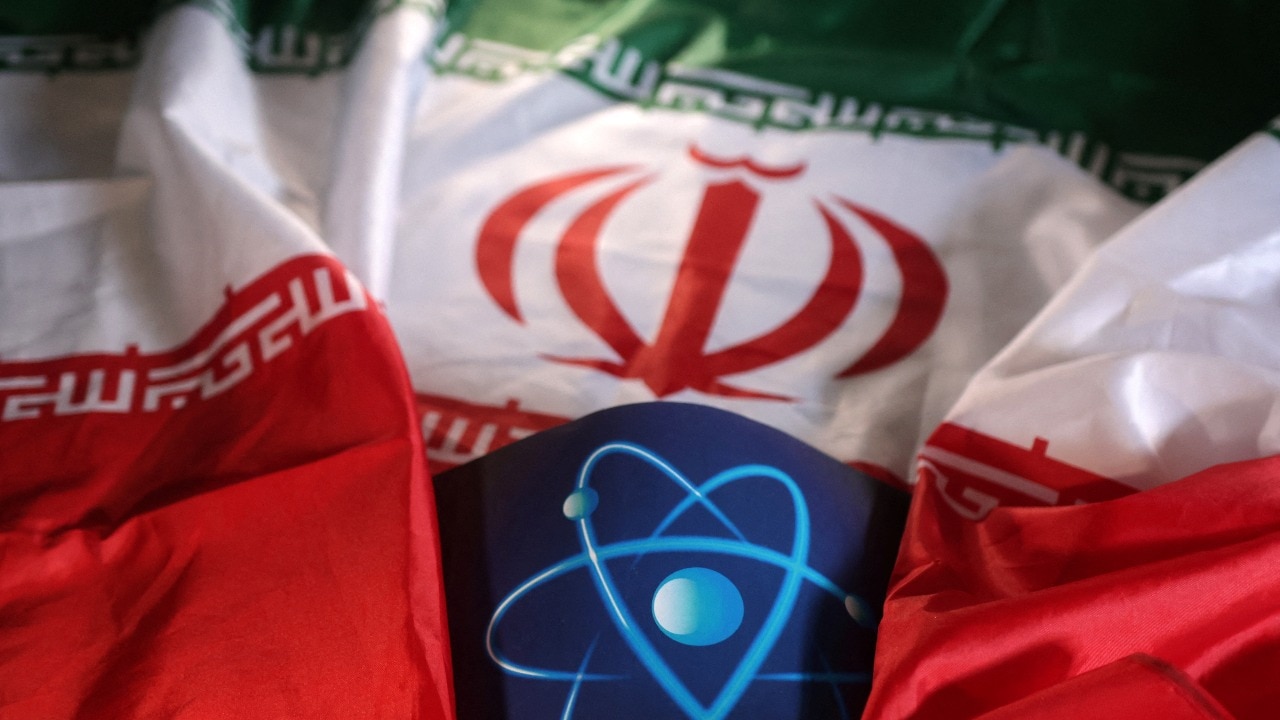
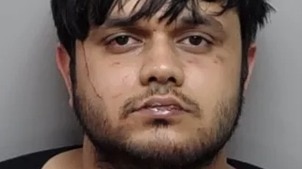
Mojtaba Khamenei, who spent years managing his father's office and building close ties with commanders of the Revolutionary Guards, is seen by some observers as dependent on the paramilitary force, raising questions about how much independent authority he will wield.
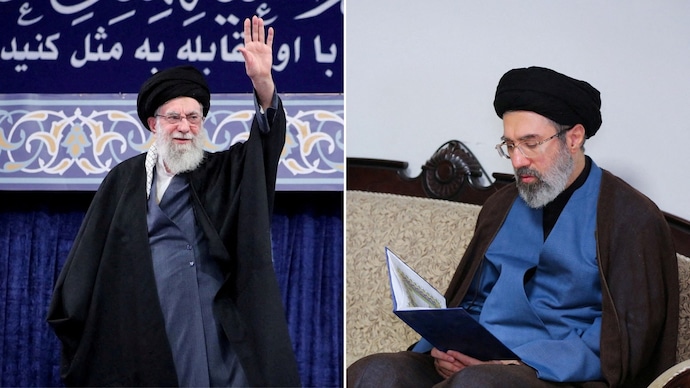
Iran's new Supreme Leader, Mojtaba Khamenei, is seen by some commentators as a mere figure head propped up by the IRGC. (Photos: Reuters)

New Delhi,UPDATED: Mar 11, 2026 07:02 IST
Iran's late Supreme Leader Ayatollah Ali Khamenei had opposed the idea of his son Mojtaba succeeding him, but the country's powerful Islamic Revolutionary Guard Corps (IRGC) ultimately pushed the younger Khamenei's name for the position after his father was killed in the February 28 US-Israeli airstrikes, according to a report by the New York Post.
The report said Khamenei had made his opposition clear in his will. "In Khamenei's will, he explicitly asked Mojtaba not to be named as successor," Khosro Isfahani, a journalist and the Research Director of the Union for Democracy in Iran (NUFDI), told the American news outlet.
He said the late Iranian leader believed Mojtaba lacked the political experience and capability required to run Iran.
"Mojtaba is an impotent young cleric who has achieved nothing in terms of political life," Isfahani told the New York Post, adding that "all these years, he has been nothing without his father’s name."
According to the report, Mojtaba was not initially chosen through Iran's normal succession process. The Assembly of Experts, the clerical body responsible for selecting a new supreme leader, faced heavy pressure from the IRGC during deliberations.
"The Assembly of Experts that was supposed to pick the replacement of Khamenei didn’t vote for Mojtaba," Isfahani said, claiming that the IRGC ultimately forced the decision.
"There was a lot of pushback against him, but under pressure from the IRGC, he was named as the successor," the anti-regime journalist said.
His appointment comes at a time of heightened tensions in Iran following the February 28 airstrikes that killed Ali Khamenei, which also killed dozens of senior Iranian officials and plunged the country into conflict with Israel and the US.
Until his elevation as Supreme Leader, Mojtaba had never held any official position in Iran's government. While he has been spotted at loyalist rallies, he has rarely spoken in public.
IRGC'S INFLUENCE OVER SUCCESSION
According to senior Iranian sources cited by news agency Reuters, the Revolutionary Guards viewed Mojtaba as a more compliant figure who would support their hardline agenda. Analysts and insiders say the cleric's rise could strengthen the influence of the paramilitary force and push Iran toward a more hardline approach, both at home and in matters of foreign policy.
Two of the sources fear that the Islamic Republic could increasingly resemble a military state with only a thin veneer of religious legitimacy, undermining an already shrinking support base and decreased space to address complex threats, according to Reuters.
Mojtaba, who spent years managing his father’s office and building close ties with Guard commanders, is seen by some observers as dependent on the force, raising questions about how much independent authority he will wield.
The new supreme leader has also not issued any public statement since his appointment, nearly two days after the Assembly of Experts announced his selection. A television anchor with Iran's state television apparently confirmed widespread rumours that he was hurt by describing him as a "janbaz", or "wounded veteran" of the Ramadan War – the term used by Iran to address the ongoing conflict.
- Ends
(With inputs from Reuters)
Published On:
Mar 11, 2026 07:02 IST
Tune In