1 month ago
Conspiracy theories flooded social media within minutes of a shooting at the White House Correspondents' Dinner, despite real-time reporting and official evidence showing the incident was not staged.
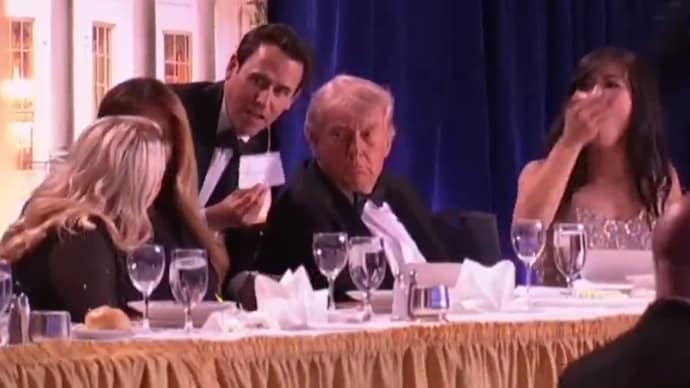
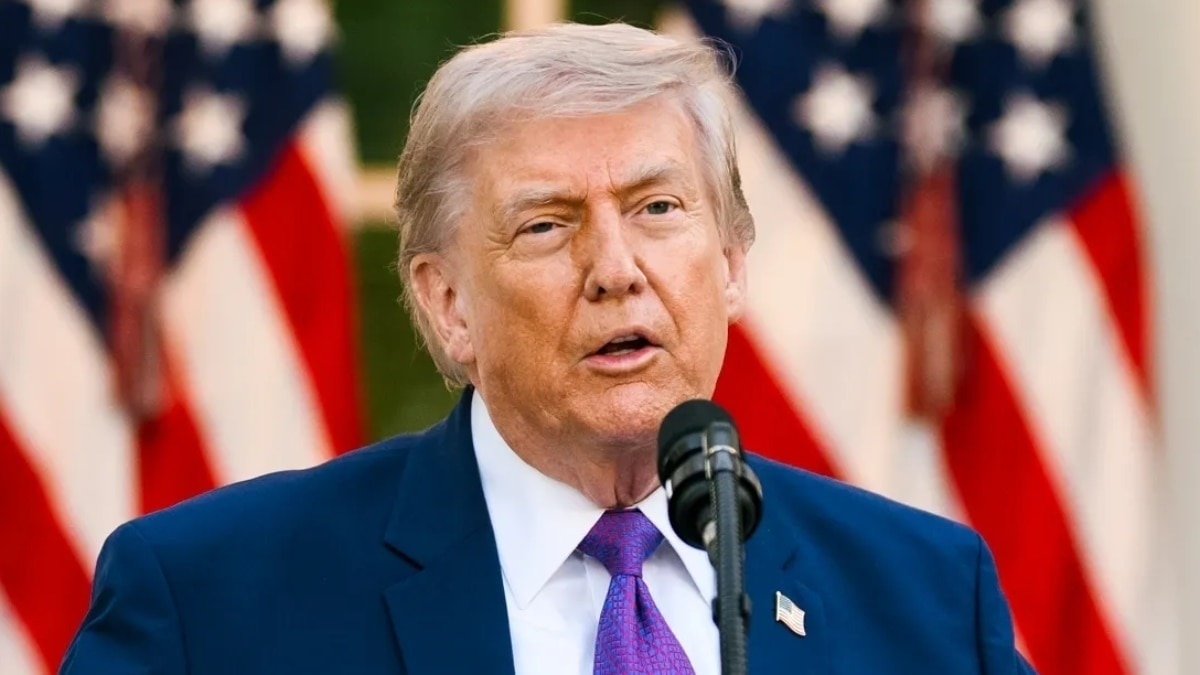
US President Donald Trump was evacuated after security incident at White House Correspondents' Dinner

UPDATED: Apr 29, 2026 05:22 IST
At an event built on punchlines and press freedom, the loudest takeaway wasn’t the gunfire. It was the noise online.
Within minutes of shots being reported at the White House Correspondents’ Dinner attended by Donald Trump, conspiracy theories didn’t just appear. They sprinted.
“So much information, streaming out in so little time. And still: Within minutes, conspiracy theories flooded the internet,” the Associated Press reported, capturing the paradox of an era where facts are immediate, but belief is optional.
REAL-TIME FACTS, REAL-TIME FICTION
The irony was hard to miss. The room was packed with journalists — people whose job is to verify before publishing. Live updates flowed rapidly from credible outlets. Yet, that steady stream of verified information did little to slow speculation.
Instead, the internet did what it now does best: build alternate narratives at speed.
Some users claimed the shooting was staged. Others tried to link it to geopolitical tensions or domestic political agendas. A stray pre-event remark by press secretary Karoline Leavitt — “there will be some shots fired tonight” — was clipped, stripped of context, and recirculated as supposed “proof.”
Experts say this isn’t surprising. “It’s a way to feel smart when you come up with a nugget to contribute and people like it,” said University of Maryland professor Jen Golbeck, describing the appeal of conspiracy thinking.
WHAT AUTHORITIES ACTUALLY SAY
According to NBC News, there is no evidence that the incident was staged. Authorities identified the suspect as Cole Tomas Allen, 31, who allegedly rushed the event armed before being stopped by law enforcement.
Investigators also pointed to writings showing anti-Trump sentiment, shared with family members before the attack. The speed and clarity of these details did little to slow online speculation.
Even Trump himself seemed struck by the pace. “Usually they wait about two or three months This time, it was less than two or three hours,” he said in an interview, as quoted by NBC News.
WHEN MORE INFORMATION DOESN'T HELP
There’s a deeper issue here. Information overload.
Emily Vraga, a misinformation researcher cited by AP, put it bluntly: “We just can’t process that much information that can actually reinforce this tendency to go to a simplified, understandable narrative.”
In other words, when reality gets messy, people reach for cleaner — even if false — explanations.
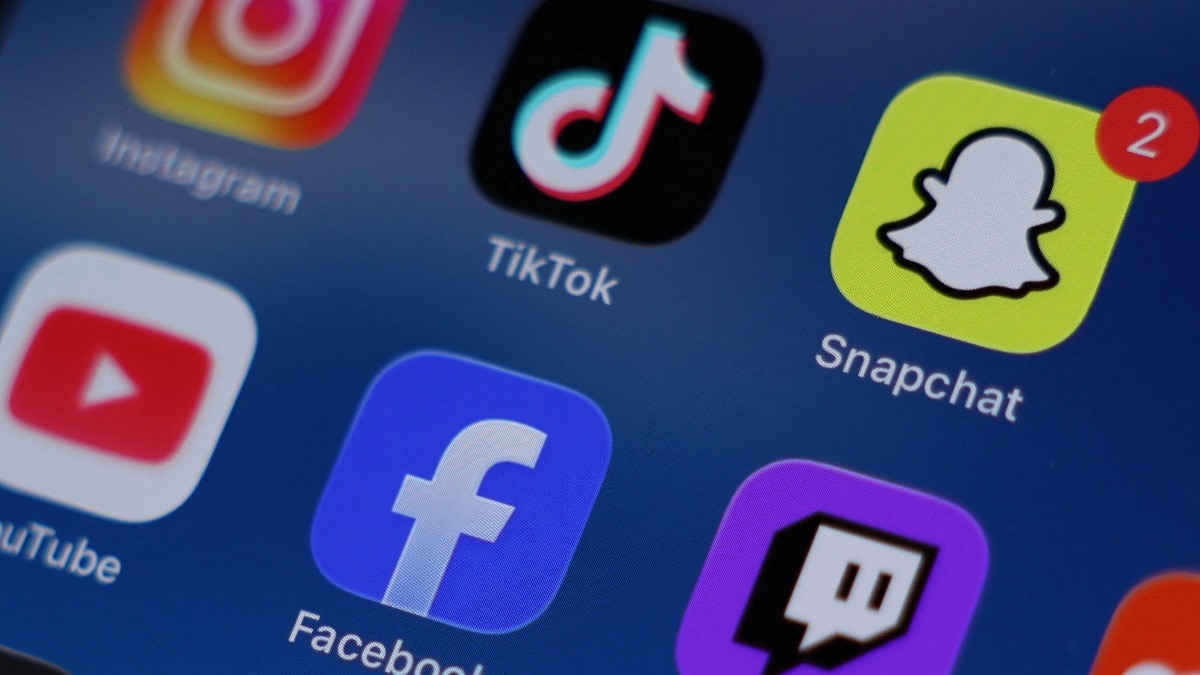
NBC News traced how that played out across platforms. On Reddit, Instagram and X, posts hinting at a staged attack gained traction. The word “staged” trended alongside “Butler,” referencing the 2024 assassination attempt on Trump that has also been fertile ground for conspiracies.
Some claims veered into the absurd — including AI-generated videos, fake images, and even a theory involving time travel that drew over a million views.
A BIPARTISAN SPIRAL OF SUSPICION
What stands out is how the speculation cuts across political lines.
While prominent Democratic leaders largely avoided amplifying the claims, voices on both sides either engaged with or reacted to the theories. Some critics blamed Trump’s own history of promoting conspiracies for fuelling distrust. Others pushed back sharply against the speculation.
“It comes in waves in the US,” said Michael Barkun, a political scientist quoted by NBC News, pointing to cycles of fear, violence and conspiracy thinking.
THE BIGGER RISK
Beyond the immediate misinformation, experts warn of a longer-term problem: erosion of trust.
When every major event is instantly reframed as a hidden plot, the space for shared reality shrinks. As one scholar told NBC News, that kind of deep suspicion makes governance itself harder, because it undermines the basic assumption that political actors operate in good faith.
Or, put more simply: if everything is a conspiracy, nothing is believable.
And that may be the real story from Saturday night — not just what happened in the room, but what happened to the truth once it left it.
- Ends
Published By:
Nitish Singh
Published On:
Apr 29, 2026 05:22 IST
Tune In