1 month ago
Nobel laureate Muhammad Yunus promises democratic renewal after the 2024 uprising, but February's election looks like political déjà vu: boycotts, bans, and the Awami League excluded just as they once excluded others.
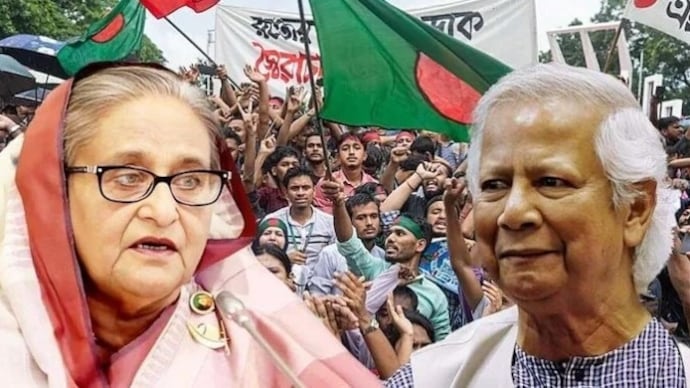
Muhammad Yunus had said that the post-Sheikha Hasina era would have virtues of justice and accountability. (File Images)

UPDATED: Dec 12, 2025 22:26 IST
Bangladesh races towards its first election since students toppled Sheikh Hasina in 2024, but instead of democratic rebirth, the country is trapped in a familiar doom loop. Muhammad Yunus, the Nobel Prize winner now leading an interim administration, calls the February 2026 polls an "important milestone." The Awami League calls it revenge dressed as reform.
The parallels to 2014 are staggering. Back then, BNP boycotted after Hasina scrapped the caretaker system, allowing the Awami League to win 154 seats unopposed. Now the roles have reversed completely. The Election Commission suspended AL's registration in 2025, citing atrocities during the uprising. Over 1,300 AL leaders sit in jail. Hasina herself fled to India, facing the death penalty at home. Her party cannot contest February 2026.
AL supporters, once beneficiaries of state power, now cry foul about political persecution. BNP, once suffocated under Hasina's authoritarian rule, faces its easiest electoral path in history. Jamaat e Islami, banned under Hasina as extremists, has been rehabilitated as legitimate players. The student revolutionaries who toppled the old regime struggle to transform street power into votes through their new Citizen Party.
In November 2025, the Supreme Court reinstated the caretaker system Hasina abolished. But AL argues the interim government born from a revolution against them cannot oversee fair elections. BNP dismisses this as hypocrisy. Student leaders defend the revolutionary purge. Yunus insists he oversees reforms, not revenge.
The February vote pairs with a referendum on the July Charter, promising judicial independence, cleaner voter rolls, and restrained executive power. Civil liberties have improved, but over 2,000 attacks on minorities, especially Hindus, reveal dangerous power vacuums.
Nearly 128 million voters will choose amongst 300 seats, but millions of AL supporters risk being politically homeless. If turnout collapses, the mandate crumbles. If BNP sweeps, will AL accept defeat? If Jamaat gains ground, will minorities feel safe?
Bangladesh is not fighting for an election. It is fighting for its soul. The uprising offered a chance to rewrite destiny. February 2026 will decide if that becomes transformation or just another act of political theatre where yesterday's autocrats become today's victims, and the cycle simply repeats with different players wielding the same brutal playbook.
- Ends
Published By:
indiatodayglobal
Published On:
Dec 12, 2025