1 month ago
With a second round of peace talks between the US and Iran in limbo, Pakistan's credibility as a mediator has come under scrutiny. The failure of Pakistan, especially its army chief, Asim Munir, to secure guarantees from an erratic Trump has led to a growing mistrust with Iran.
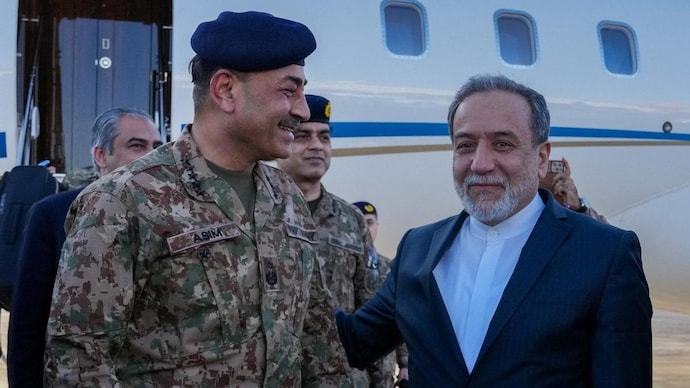
Iranian Foreign Minister Abbas Araghchi welcomes Pakistan army chief Asim Munir at an airport in Tehran
The stage was set in Pakistan. A second round of US-Iran peace talks was lined up as the two-week ceasefire ended on Wednesday. Donald Trump had even teased "good news" on the horizon. However, the breakthrough never came. Talks collapsed at the eleventh hour, leaving Pakistan with egg on its face and a rapidly losing credibility. Behind the Pakistan flop show lies a widening trust gap with Tehran, which suspects Islamabad of playing a double game.
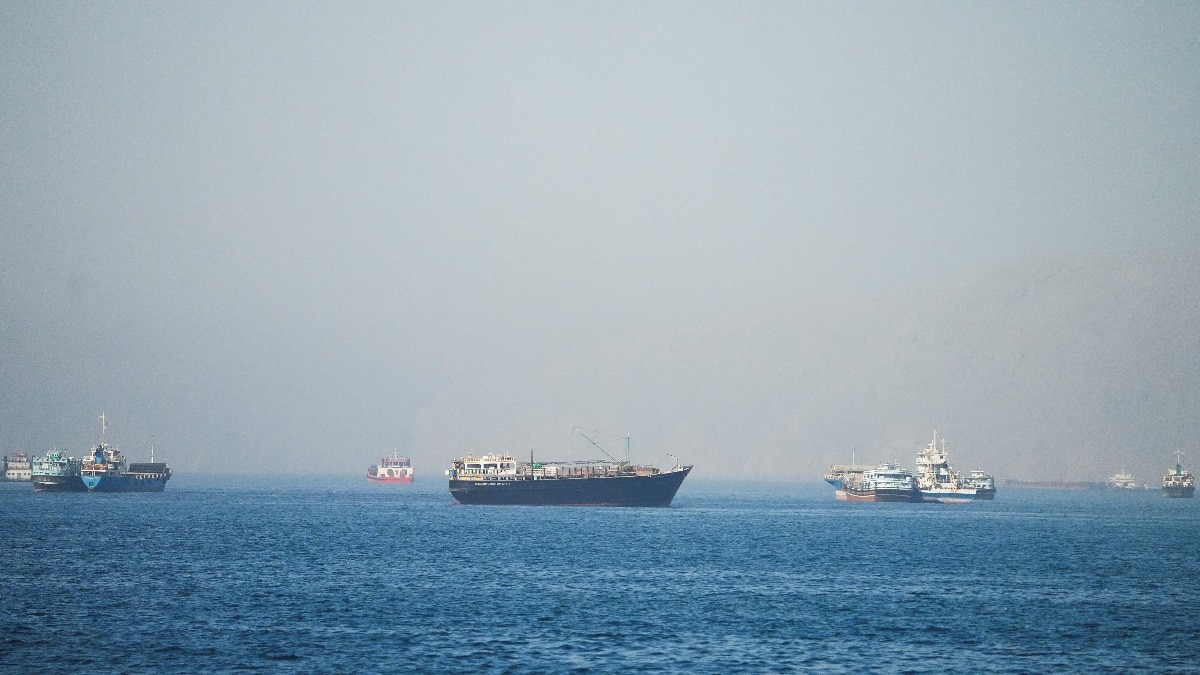
As it became clear that Iran would not be sending its negotiators to Islamabad, Trump unilaterally announced an extension of the ceasefire. However, the US naval blockade of ships entering or exiting Iranian ports was not lifted. This has become a major sticking point, with Iran demanding its withdrawal as a prerequisite for any future talks.
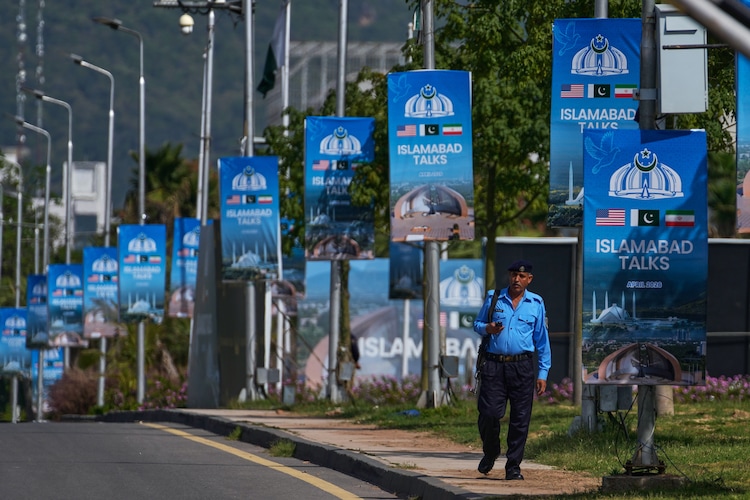
PAKISTAN AND IRAN TRUST DEFICIT
The issue was at the centre of talks when a Pakistani delegation led by army chief Asim Munir visited Tehran last week. Munir, who has personal ties with the powerful Islamic Revolutionary Guard Corps (IRGC), met Iran's top military and political leadership.
This is where things got interesting. Jeremy Scahill, a geopolitical expert and investigative journalist, said the Iranians were told by Munir that Trump "would lift the blockade" on the Strait of Hormuz before the second round of talks. Iran, in fact, was ready to visit Islamabad as early as Thursday.
However, Trump, out of the blue, extended the ceasefire while keeping the blockade in place.
"The Iranians told me it has happened before, where the Pakistanis have made such claims. We don't know if Pakistan said this or if Trump actually told it to them, and they turned around and told this to Iran. It's really complicated to determine who is telling the truth right now," Scahill said.
The development has only increased scepticism of Pakistan's role as a mediator. Pakistan's neutrality has also been questioned, with Munir and the civilian leadership maintaining a stoic silence on Trump's unilateral moves.
Even when Trump announced the ceasefire extension while carrying on with the naval blockade - Iran's sticking point - Pakistan appeared to blame Tehran. "Pakistan has made sincere efforts to convince the Iranian leadership to participate," a government spokesperson said.
While the Pakistani PM welcomed Trump's announcement, reports in US media said Islamabad was furious with Tehran over the last-minute reversal. Iran, on the other hand, suspects that Pakistan is playing a double game by doing Trump's bidding and not acting neutrally. It has only led to a growing mistrust.
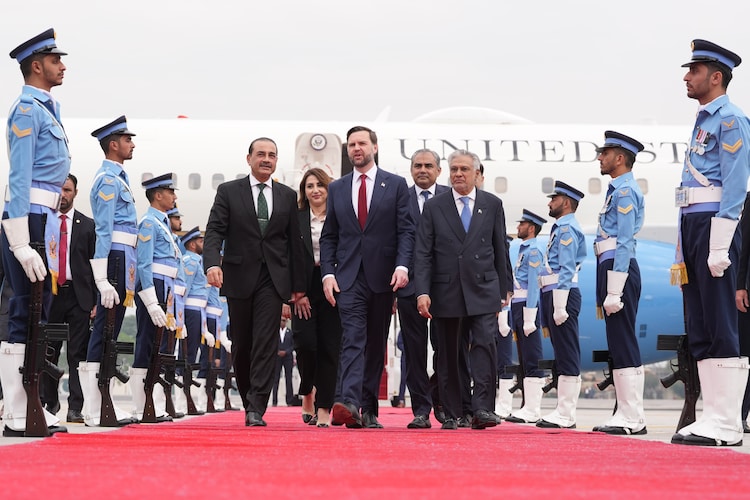
IRAN'S DOUBLE GAME CHARGE AT PAKISTAN
In fact, Tehran's frustration with Pakistan was out in the open during a debate on Iranian state TV on Wednesday. The televised debate saw a rare rebuke of Munir, with an Iranian analyst accusing him of bias.
The analyst alleged that Munir carried Iran's proposals to the US, but it did not get back any response, calling it "tilted" mediation. Another analyst said Pakistan pushed "15-16 new demands" of the US while ignoring Iran's original 10-point proposal.
The feeling in Iran is that Pakistan is attempting to shape its global perception by attempting to project progress in peace talks that do not exist on the ground.
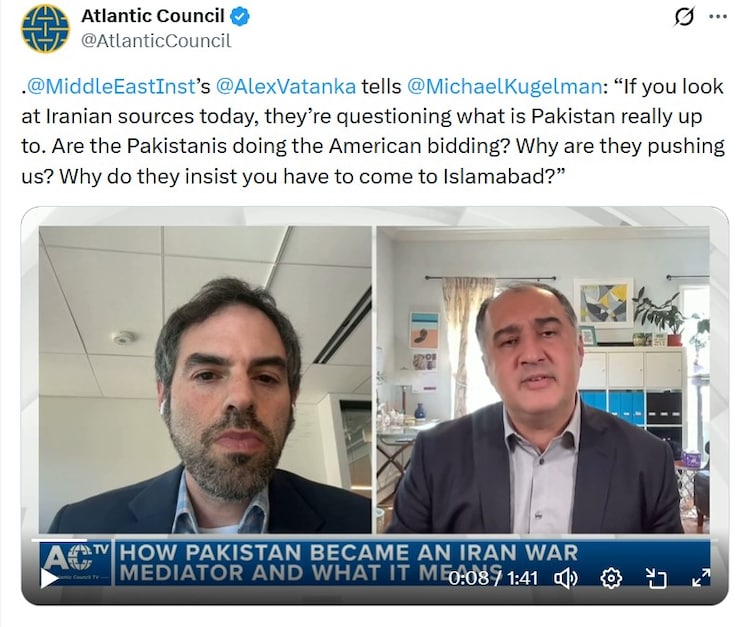
"If you look at Iran today, they're questioning what is Pakistan really up to. Are the Pakistanis doing the American bidding? Why are they pushing us? Why do they insist you have to come to Islamabad?" Alex Vatanka, director of the Iran program at the Middle East Institute, told Atlantic Council TV.
The past few weeks have shown that Pakistan has been scrambling to understand Trump's shifting positions.
Vali Nasr, a former US State Department official, said Pakistan's Achilles' heel is that it can't deliver any guarantees on Trump's behaviour. "They can't say we promise the US won't do A, B, C. And there's nothing Munir can do about that," Nasr told The Financial Times.
We got two examples of this recently.
When the ceasefire deal was announced, Pakistan's Shehbaz Sharif tweeted that it included a halt in strikes on Lebanon, a key ally of Iran. However, the US and Israel said Lebanon was not part of the deal as Tel Aviv continued its bombing campaign on Hezbollah targets. Pakistan, however, did not push back against the assertions by the US and Israel.
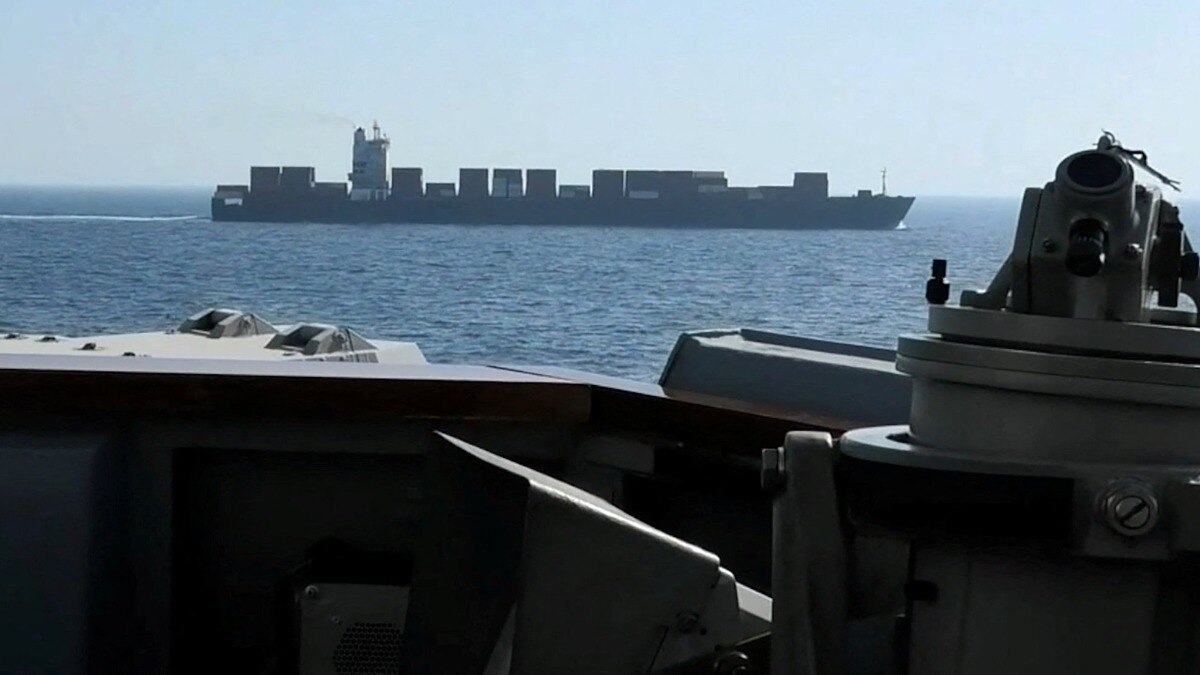
More recently, even as Pakistan was engaging with Iran, the US went ahead and seized two Iranian cargo vessels near the Gulf of Oman. As a mediator, Pakistan should have criticised the US. But it stayed mum.
For Iran, the incidents were ample proof that Pakistan could neither guarantee any outcome nor ensure consistency in its engagement.
Thus, Iran, which last week announced that it would reopen Hormuz, tightened its grip on the vital energy waterway hours later. It effectively stalled any diplomatic momentum.
Jeremy Scahill says Pakistan’s role in the Iran talks is under scrutiny after relaying assurances that did not materialize.
He reports Iranian officials were told Trump would “lift the blockade” on the Strait of Hormuz and extend the ceasefire before talks resume. Instead, https://t.co/vrgGUD36As pic.twitter.com/E0a5D1M4rO— Drop Site (@DropSiteNews) April 22, 2026
QUESTIONS OVER PAKISTAN AS MEDIATOR
Ali Vaez, an Iran specialist at the Crisis Group, underscored that Pakistan's fault was trying to urge just one side (in this case Iran) to show flexibility. Islamabad has failed to come up with solutions of its own, Vaez told FT.
"Pakistan is mostly trying to convince Iran to accommodate Trump's demands. It is not neccessarily trying to come up with ideas on how to bridge the gap," he further said.
It is no secret that Pakistan doesn't have the experience of hosting talks of this complexity and magnitude. By attempting to broker peace between the US and Iran, Pakistan's main agenda lies in reframing its international image.
"Pakistan has a long history of playing dirty tricks," Jeremy Scahill, a geopolitical expert, said. This is exactly why trusting Pakistan as a mediator has its own pitfalls. It eventually led to the collapse of a second round of US-Iran talks in Islamabad on Wednesday.
"Pakistan has been promoting their PM and army chief as kingpins of modern diplomacy," Scahill noted. However, a combination of an erratic Trump in the White House and an untrustworthy Pakistan seems to be putting a spanner in any negotiations.
- Ends
Published By:
Abhishek De
Published On:
Apr 23, 2026 12:34 IST
Tune In