1 month ago
Iran-linked Tasnim report warns undersea cable damage in Strait of Hormuz could trigger major internet outages across Gulf, highlighting growing risks to critical digital infrastructure amid regional tensions.
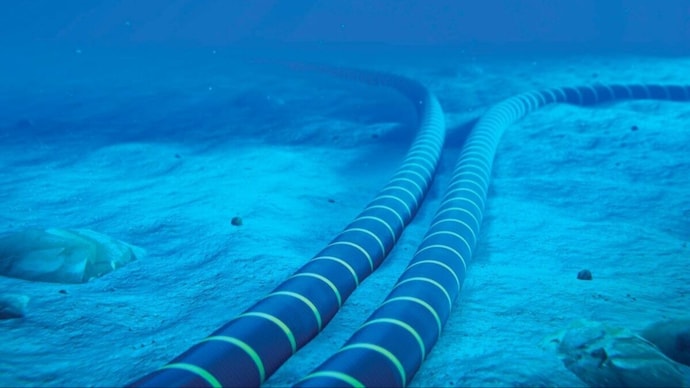
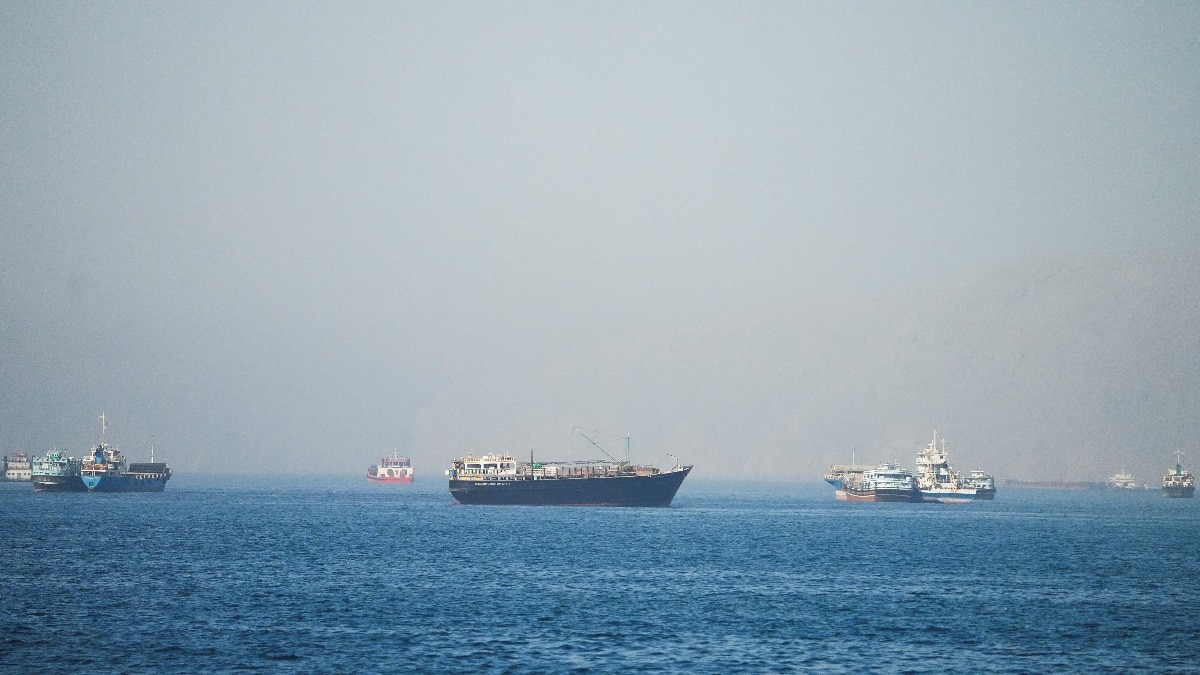
A report by Tasnim News Agency has put fresh attention on the vulnerability of undersea data cables in the Strait of Hormuz, warning that any disruption could hit connectivity across the region.(Representative image)

UPDATED: Apr 23, 2026 02:55 IST
A new warning from Iran-linked media has put the region’s invisible infrastructure in focus – suggesting that the next major disruption in the Gulf may not come from oil or shipping lanes, but from the internet cables running deep beneath the sea.
A report by Tasnim News Agency has put fresh attention to the vulnerability of undersea data cables in the Strait of Hormuz, warning that any disruption could hit connectivity across the region.
“Simultaneous damage to several major cables – whether through accidents or deliberate action – could trigger severe outages across the Persian Gulf,” the report said.
STRAIT EMERGES AS DIGITAL CHOKEPOINT
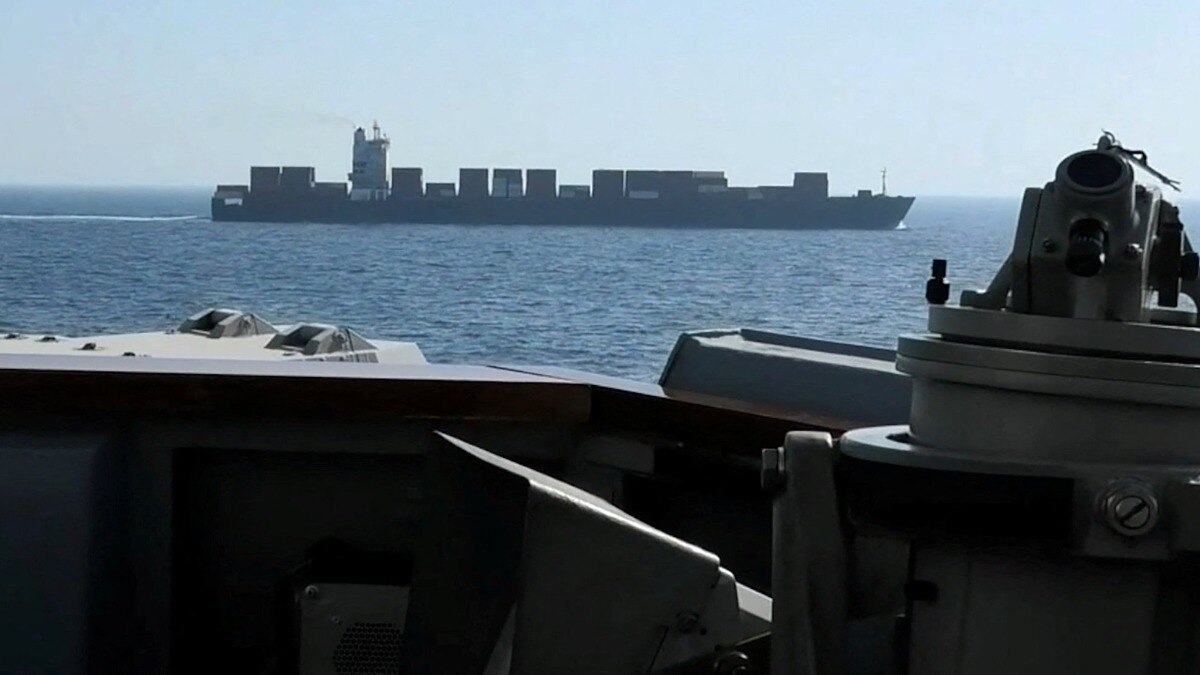
The Strait of Hormuz is already a critical artery for global energy supplies. But the Tasnim report argues it is just as vital for digital infrastructure.
Multiple major submarine cable systems – including FALCON, AAE-1, TGN-Gulf and SEA-ME-WE – pass through or near the narrow stretch of water. These cables carry most of the internet traffic that powers banking, cloud services and communications across Gulf countries.
The concentration of these cables in a tight corridor makes the region particularly exposed. Countries like the UAE, Qatar, Bahrain, Kuwait and Saudi Arabia depend heavily on these routes — far more than Iran, the report suggests.
WARNING BACKED BY RECENT DISRUPTIONS
The concern is not theoretical. In 2024 and 2025, several undersea cables in the Red Sea were damaged during regional tensions, slowing internet speeds and disrupting services across multiple countries. Repairs took months, partly because access to the area remained restricted.
Yemen’s Iran-backed Houthi rebels have also threatened such infrastructure in the past, raising fears that undersea cables could become targets in wider conflicts.
Analysis by Iran suggests the Tasnim article reads less like a neutral assessment and more like a strategic signal. It highlights cable routes, landing stations and data hubs — effectively mapping assets whose disruption could carry major economic and communications consequences.
The report also points to the clustering of cloud and data centre infrastructure in Gulf states, particularly in the UAE and Bahrain, increasing the potential impact of any outage.
Recent developments have already shown how vulnerable these systems can be. Reports have indicated that Iranian drone strikes targeted facilities linked to Amazon Web Services in the UAE and Bahrain. While details remain limited, the incidents underline how digital infrastructure is increasingly part of the conflict landscape.
The Tasnim report appears to extend that logic underwater — suggesting that cables, like ports and pipelines, could become pressure points.
A QUIET BUT CRITICAL RISK
Undersea cables are difficult to monitor and even harder to protect. A single cut can reroute massive volumes of data, slow down financial systems and disrupt communication networks across borders. In a high-tension environment, even accidental damage could have outsized consequences.
For now, there is no confirmed threat. But the warning has sharpened focus on a part of the region’s infrastructure that is rarely visible — and yet essential to everyday life.
- Ends
Published By:
Nitish Singh
Published On:
Apr 23, 2026 02:55 IST
Tune In