4 weeks ago
A decision on China’s proposed mega embassy in London is expected on Monday or Tuesday, with Chinese officials and British diplomats in Beijing holding their breath in anticipation of the planning application finally being approved.
The saga, which has been running since 2018, is widely expected to end with the British government giving the green light for construction. If it does, one group likely to be grateful is those who work in the British embassy’s dilapidated building in Beijing. The UK’s plans to redevelop its outpost in China’s capital have been blocked for years by the Chinese government because of the London embassy row.
The wrangling has “enabled Beijing to raise the embassy controversy to block whatever requests London has made that Beijing is not comfortable about,” said Steve Tsang, the director of the Soas China Institute.
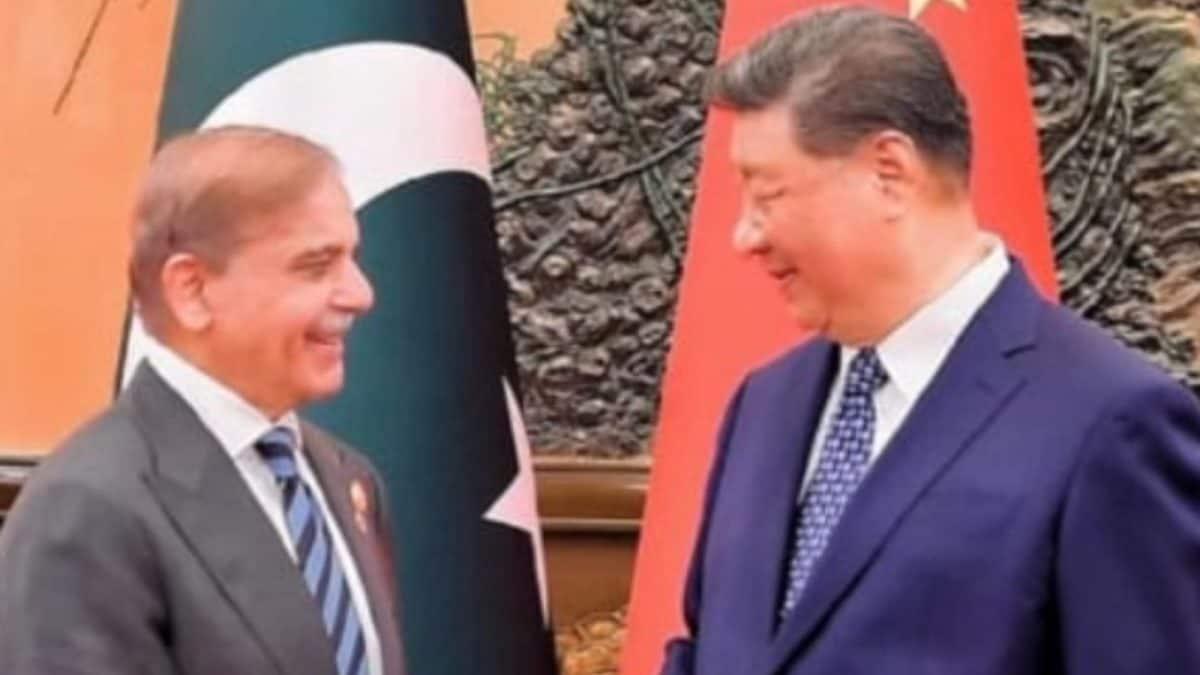
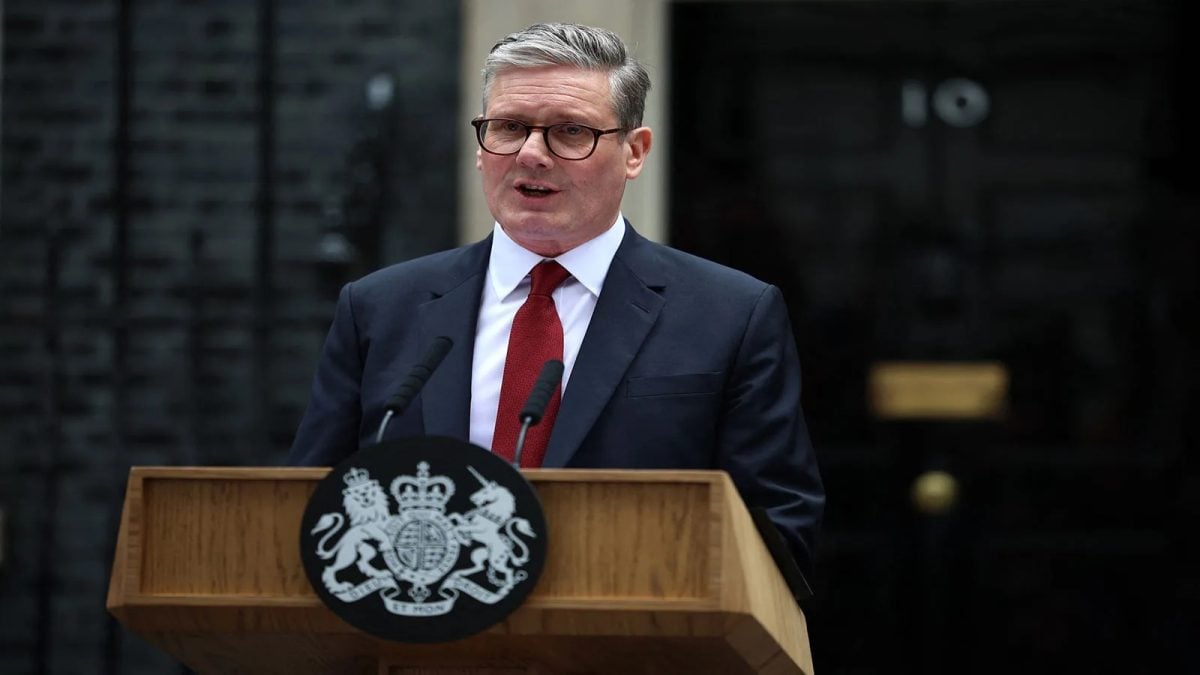
Beijing has made the embassy issue a priority in the UK-China relationship. Xi Jinping, China’s leader, raised the matter directly with Keir Starmer in their first phone call, in August 2024.
The process ending this week started in 2018 when China paid £255m for the site of the Royal Mint Court near the Tower of London, a prestigious piece of real estate, on which to build a sprawling diplomatic complex that would be its biggest in Europe. The deal was brokered by Eddie Lister, a close aide to Boris Johnson, at a time when Johnson was serving as foreign secretary. The Guardian revealed last year that Johnson wrote to Wang Yi, China’s top diplomat, to directly assure him the embassy plans would be approved.
The plans ran into trouble when Tower Hamlets council refused planning permission. The government declined to intervene and the application expired. Officials in Beijing were gobsmacked that state-to-state relations could be impeded by a local authority, an outcome unimaginable in China.
Tsang said: “The subsequent complications came to be seen as bad faith on the part of London. I doubt that [China] would have taken huge offence if the initial plan was rejected outright.”
Prof Kerry Brown, the director of the Lau China Institute at King’s College London, said China “felt they had an understanding that they bought this £250m place to use as an embassy … if there were going to be issues, they could have been told then.”
Brown said the saga reflected a UK government that was “hot and cold on China”. “What was originally a relatively straightforward issue has become symbolically quite difficult,” he said.
China reapplied for permission to build its embassy soon after Labour entered government. Ministers called in the decision, taking it out of the hands of the council, after Xi raised the matter directly with Starmer.
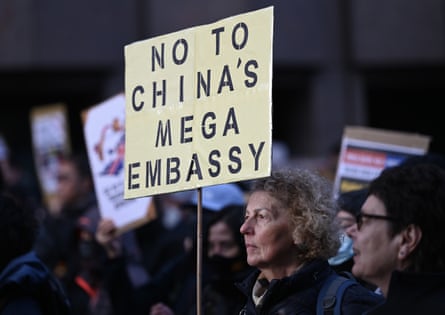
The decision has been delayed several times, but the application is widely expected to be approved ahead of a 20 January deadline. MPs from across the political spectrum have voiced their opposition to the application, although the security services believe they can handle the risks of espionage that may stem from the enlarged site, which sits close to data cables that run to the City of London.
The green light would smooth relations before Starmer’s visit to China, which is expected to take place at the end of January, but officials insist there has been no political input in the planning process.
Still, British and Chinese officials have described the decision as the key that could unlock further relations.
If Starmer goes to Beijing as expected, he will be the first UK prime minister to make the trip since 2018. On that trip, Theresa May signed new deals with China worth £9bn. A similar flurry would be a coup for Starmer after the chancellor Rachel Reeves’s trip to China last year, which was received with much fanfare but resulted in just £600m of agreements.
Brown said that if the embassy application was rejected, many other aspects of the UK-China relationship, such as cooperation on AI, would be impeded. “China is a big player that has other options. Britain is more modest,” he said.
There are still a host of other headaches in the UK-China relationship. The UK is reeling from an alleged spying scandal in which a case against two men accused of spying for China was dropped at the last minute, prompting an outcry and galvanising the UK’s China hawks.
China’s ambassador in the UK, Zheng Zeguang, is banned from parliament because of Chinese sanctions placed on MPs. The British citizen and pro-democracy activist Jimmy Lai has been convicted on national security charges in Hong Kong in proceedings described by the UK as politically motivated. He faces spending the rest of his life in prison, with a sentence due to be announced in the coming weeks.
Approving the embassy application will not be the end of the matter. Local residents are crowdfunding to raise money for legal fees to challenge any approval. Local people have partnered with members of the Chinese diaspora, including Hongkongers, Tibetans and Uyghurs, who say they feel threatened by an enlarged Chinese presence in London. There have been regular protests outside the Royal Mint Court site.
Brown said the embassy would be a “perpetual sore” in UK-China relations. “It won’t go away. What you need is a consistent, robust government position on this that will get through that.”
A Foreign Office spokesperson said: “It is a normal feature of diplomatic relations for countries to maintain embassies – we have embassies worldwide, including in Beijing. It goes without saying that national security has been a priority through this process. In terms of process, the decision will be made independently by the secretary of state for housing, communities and local government, and the department have set out that a decision will be made on or by 20 January.”