1 month ago
A secret deal between the US and Indonesia, giving American jets sweeping access to Indonesian airspace, failed to go through at the last moment after the plan was leaked by an Indian media outlet. It led to a massive backlash in Indonesia, prompting the government to put it on the back burner.

The deal would have given the US greater ability to monitor another trade chokepoint - the Malacca Strait

New Delhi,UPDATED: Apr 16, 2026 12:32 IST
Just a day before the US and Indonesia were to sign a major defence deal on April 13, a classified document on a secret plan that would give American military jets blanket access to Indonesian airspace was leaked by an Indian media outlet. Such an access would have given the US greater ability to keep an eye on another trade chokepoint - the Malacca Strait - at a time when Iran's blockade of the Strait of Hormuz has upended global oil supplies. The Indian report caused a stir in Indonesia. Thus, while the defence deal was signed, the overflight access for US jets was kept out of its ambit.
The report on the classified US document was published on April 12 by the Sunday Guardian, a media outlet owned by former junior External Affairs Minister MJ Akbar. The plan was discussed in February during a meeting between Indonesian President Prabowo Subianto and Donald Trump in the White House. The agreement was to be signed on April 13 during a meeting between US Defence Secretary Pete Hegseth and his Indonesian counterpart Sjafrie Sjamsoeddin. However, it did not go ahead.
THE SECRET AIRSPACE DEAL
It would have given US military aircraft unrestricted access to Indonesian airspace for contingency and crisis-response missions. However, the primary objective was surveillance and operational flexibility in the Indo-Pacific, where China is the key player.
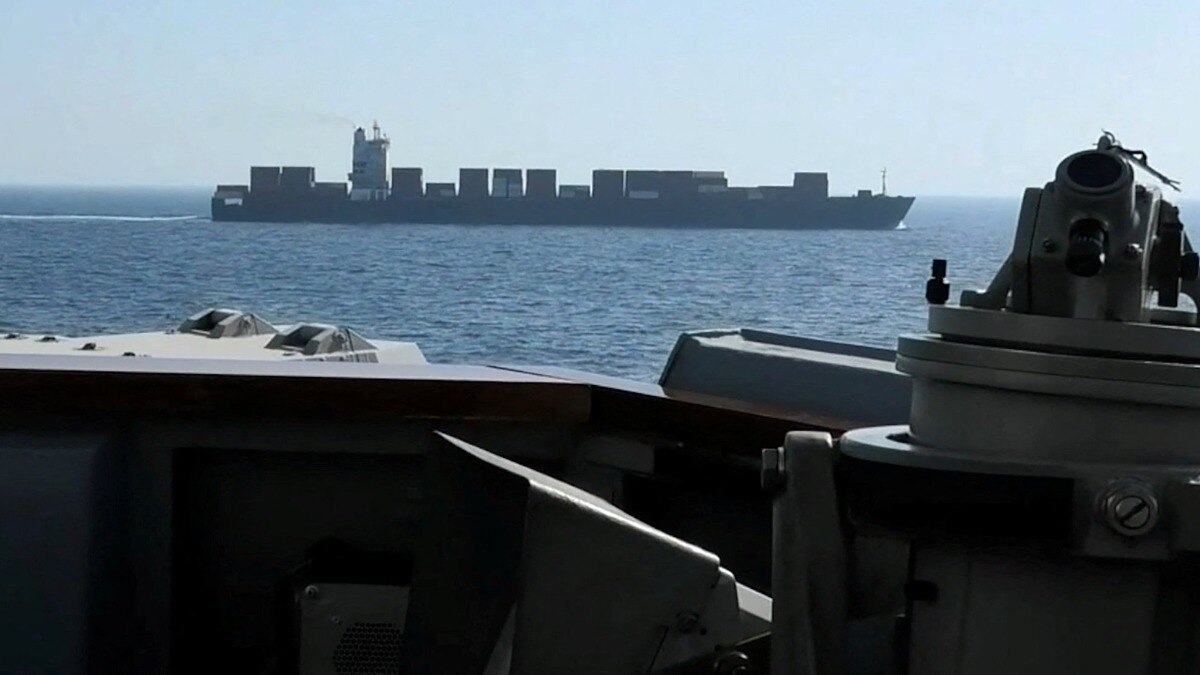
Behind the proposed deal is Indonesia's geographical position. Trump is well aware that Indonesia sits near critical sea lanes, including the Strait of Malacca, the world's busiest oil corridor that is vital to China and India. It handles around 30% of seaborne crude oil and 40% of global trade.
An assertive Iran has made Hormuz vulnerable. Trump now seems to have his eyes firmly fixed on exerting control over the Malacca Strait. And he could have accomplished it this week if not for the report by The Sunday Guardian. Essentially, it brought out in the open what might have been quietly negotiated behind closed doors in the Pentagon.
The impact was swift.

DOMESTIC BACKLASH IN INDONESIA
In Jakarta, Indonesian lawmakers publicly questioned the legality of any such agreement. The Deputy Chair of the House of Representatives (DPR), Sukamta, firmly underlined that any defence cooperation with foreign nations must be consulted with Parliament, Indonesian media reported.
He stressed there was "no legal basis" for granting unrestricted access to national airspace to foreign militaries. The backlash left the Prabowo Subianto-led government in dire straits.
The defence ministry was quick to issue a statement, saying the overflight access for US aircraft was not part of the Major Defence Cooperation Partnership (MDCP) agreement signed by Hegseth and Sjamsoeddin. It underlined that the US and Indonesia were still discussing the "Letter of Intent". "The draft is neither final nor binding," it said.
Information bureau chief Brigadier General Rico Ricardo Sirait stressed that any such deal would prioritise Indonesian sovereignty and national interests.
In fact, the issue has become a flashpoint within the Indonesian government itself.
Just days ahead of the Pentagon meeting, Indonesia's foreign ministry warned the defence ministry against moving ahead with the overflight proposal by the US, Reuters reported. The foreign ministry, in its letter, warned that such a move risked entangling Jakarta in potential South China Sea conflicts. It also urged the defence ministry to delay any final deal with the Trump team.
LEAK DELIBERATE TO SCUTTLE DEAL?
For now, the deal has been put on the back burner. It has led to speculation that the report in the Indian media outlet was deliberate in an attempt to scuttle the deal. Questions have also been raised about how a classified US document reached an Indian publication.
Experts have suggested that larger geopolitical interests could have been at play. A deal granting the US access to the Malacca Strait directly concerns India, which has vital stakes in the regional security architecture. The stakes are higher for China as it is dependent on the Malacca Strait for 80% of its crude supplies.
"The blanket overflight deal would have probably concerned Beijing and India a lot, which is probably why it got leaked, and it looks like it's now dead on arrival," tweeted geopolitical analyst Arnaud Bertrand.
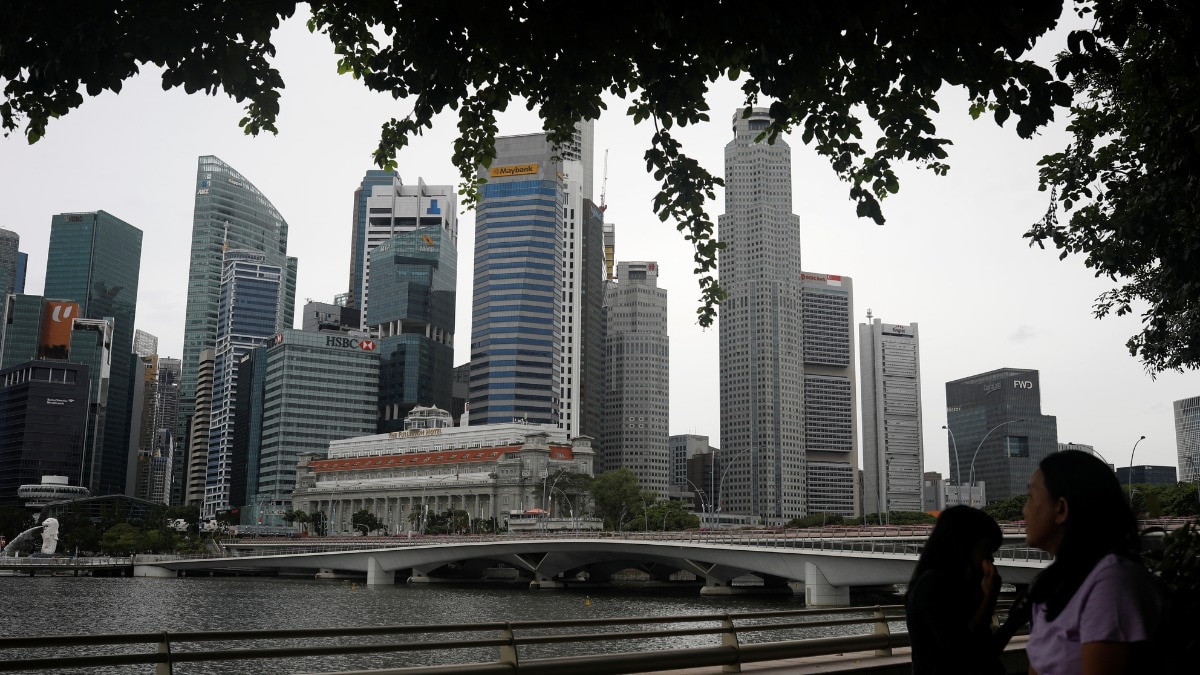
Along with Indonesia, the key trade corridor is controlled by Malaysia and Singapore. However, Indonesia sits astride a major portion of the strait.
India's location makes it a key player for any manoeuvres near the Malacca Strait, which handles around 55% of its trade. The mouth of the strait opens close to the southern tip of the Andaman and Nicobar Islands.
It gives India a crucial vantage point over the shipping route. India's air base at Campbell Bay gives it the ability to monitor the western approaches of the Malacca Strait. The upcoming Great Nicobar infrastructure project will only strengthen Delhi's strategic presence near one of the world's busiest shipping lanes.
Thus, it is quite natural for India to be concerned about surveillance by a third country of its strategic assets.
STAKES FOR CHINA
For China, the concerns are greater. The US takeover of Venezuela's oil reserves and the disruption at Hormuz due to the Iran war have already affected its oil supplies. Any US move in Malacca will make it twitch. The corridor is also significant for exports of Beijing's 'Made in China' products - a dependence its former president Hu Jintao termed the "Malacca dilemma".
Experts have suggested that while the Hormuz tussle could have been the catalyst behind the US's Indonesia move, China was the real target.
"The Indonesia timing is not coincidental. You don't elevate a defence partnership with the country that controls the Malacca Strait in the same month you blockade Hormuz unless you understand the combined effect on Beijing's strategic position," an analyst, who posts from the account SightBringer on X, tweeted.
It seems Trump wanted to kill two birds with one stone with the deal. However, an Indian media report on the confidential plan seems to have dashed its hopes for now and ignited a furious backlash in Indonesia.
- Ends
Published By:
Abhishek De
Published On:
Apr 16, 2026 12:32 IST
Tune In