 1 month ago
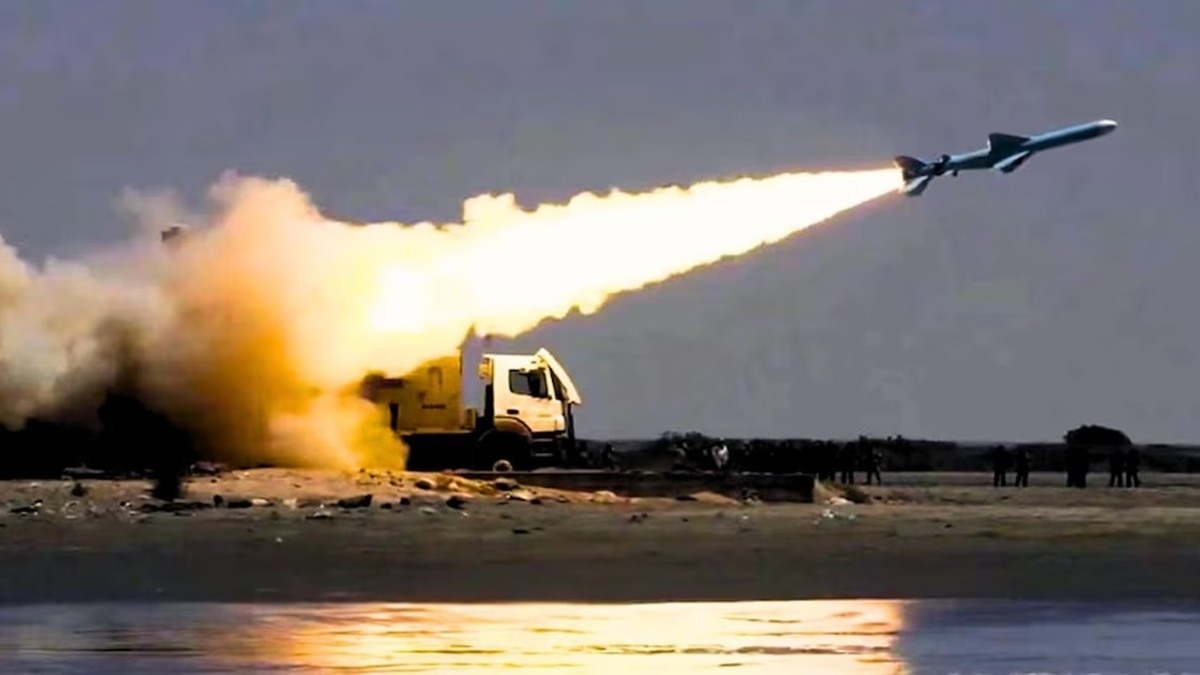
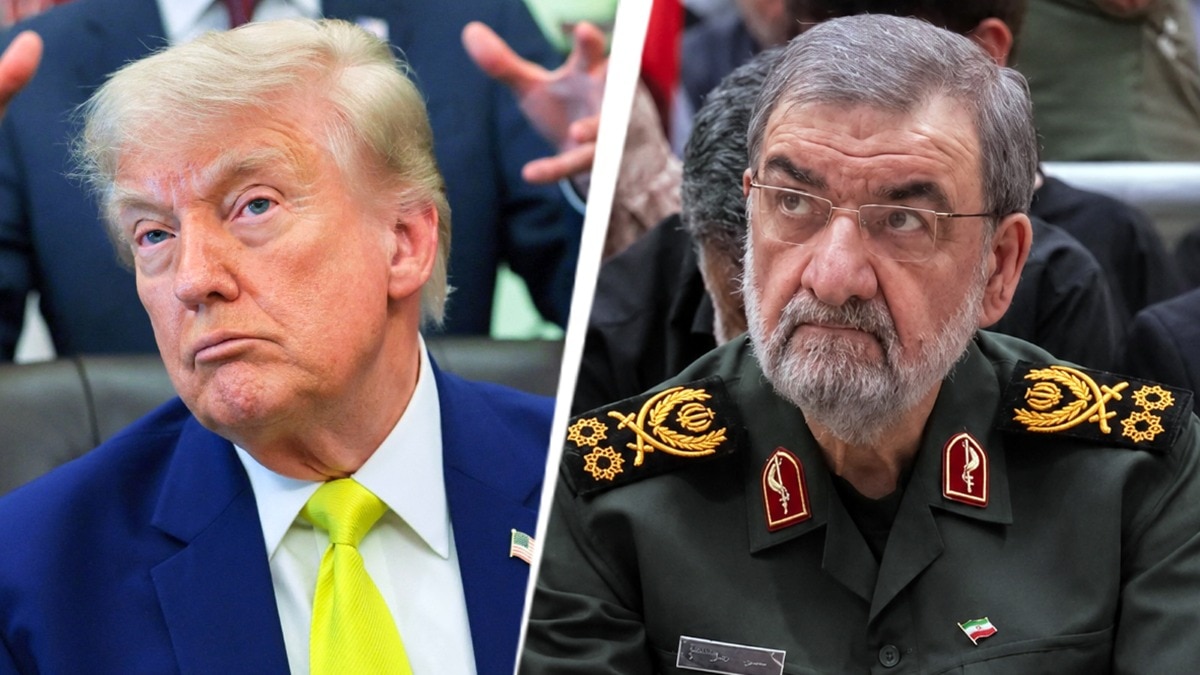
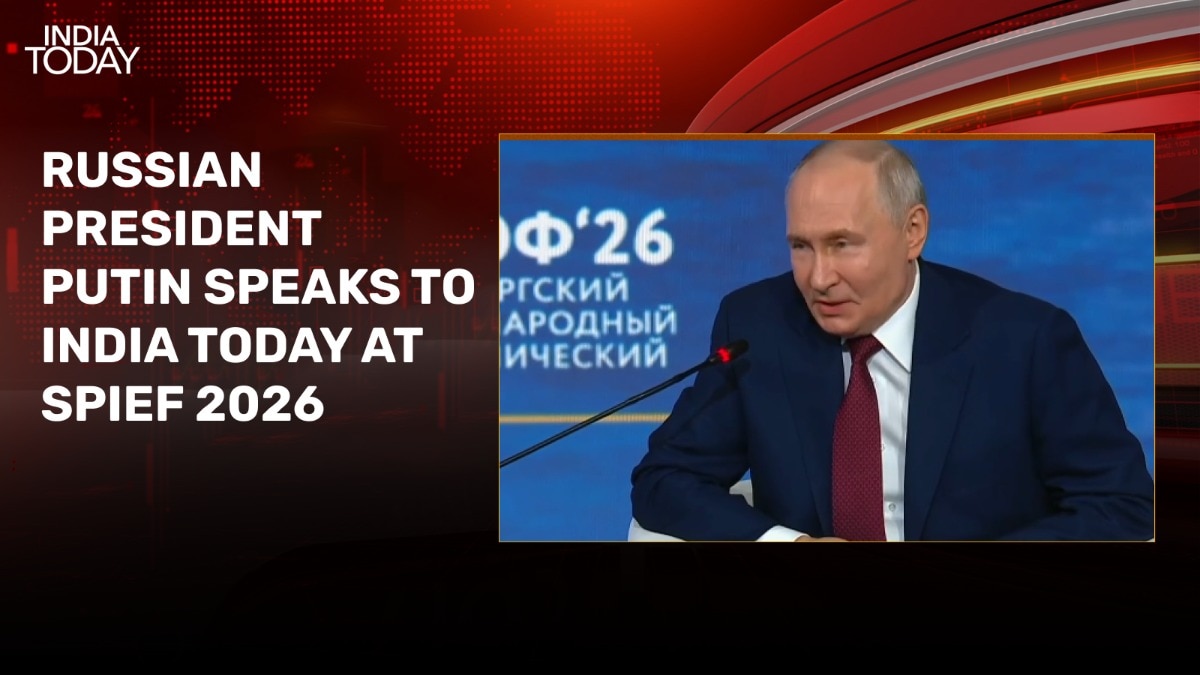
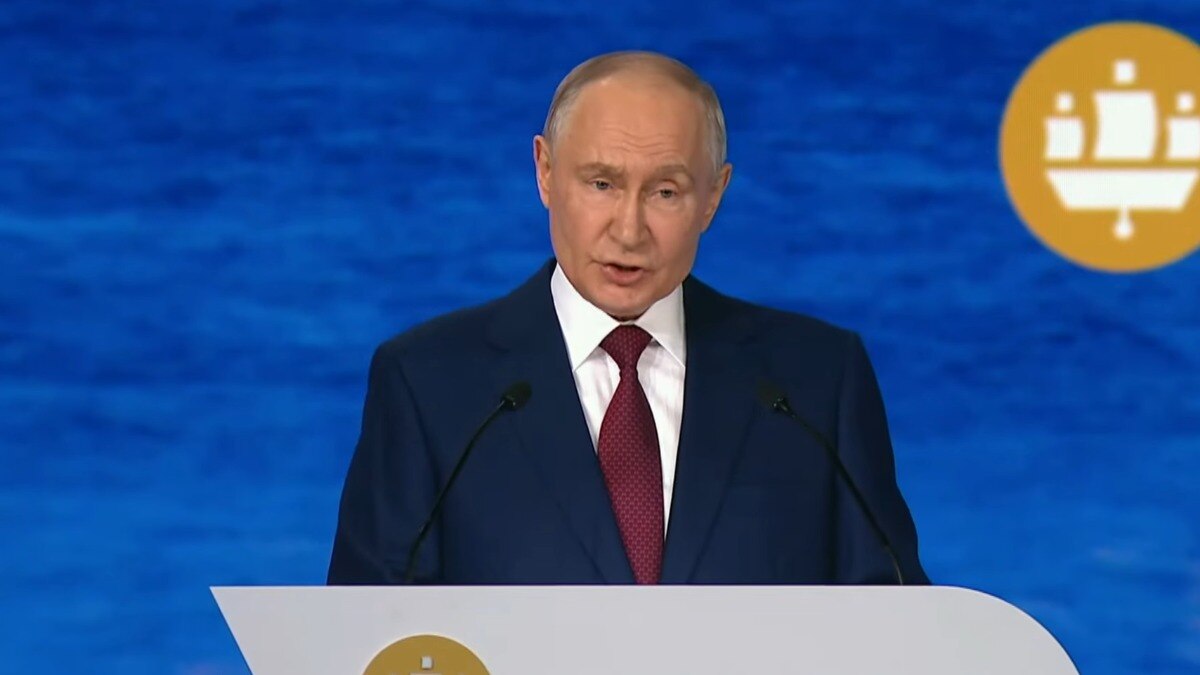
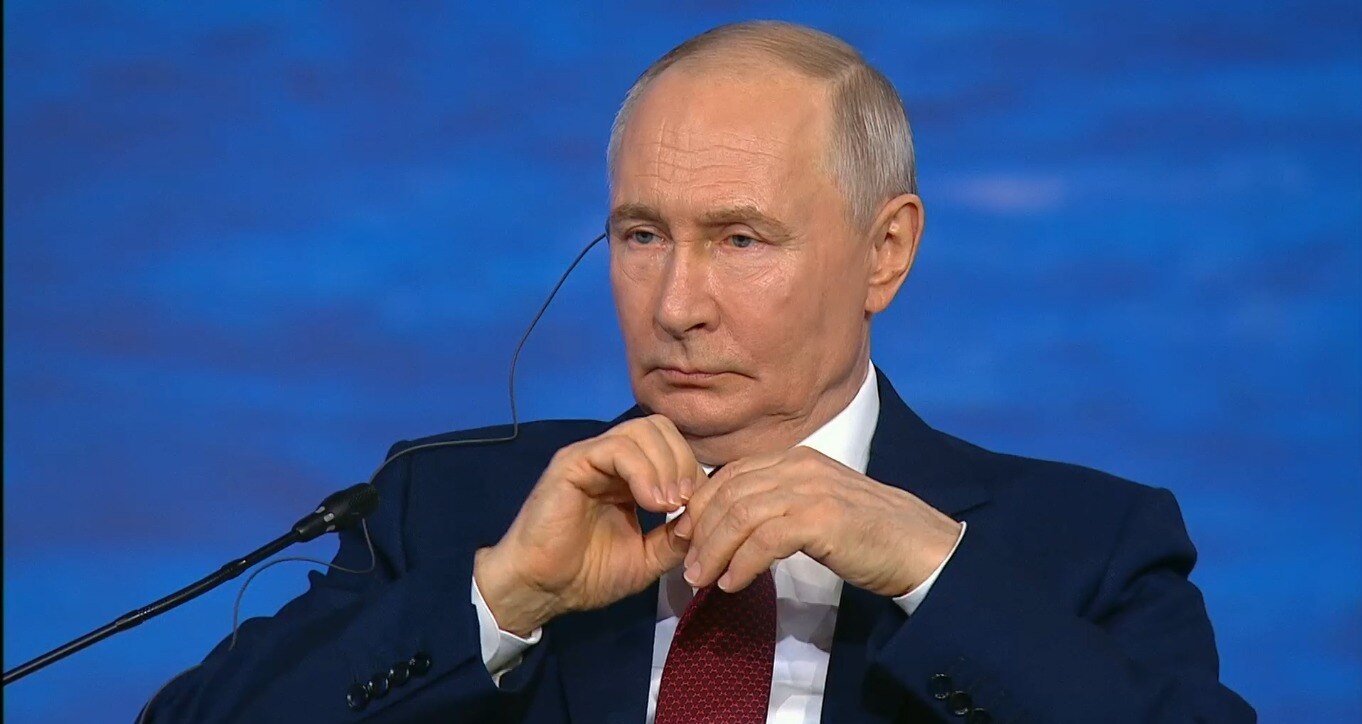
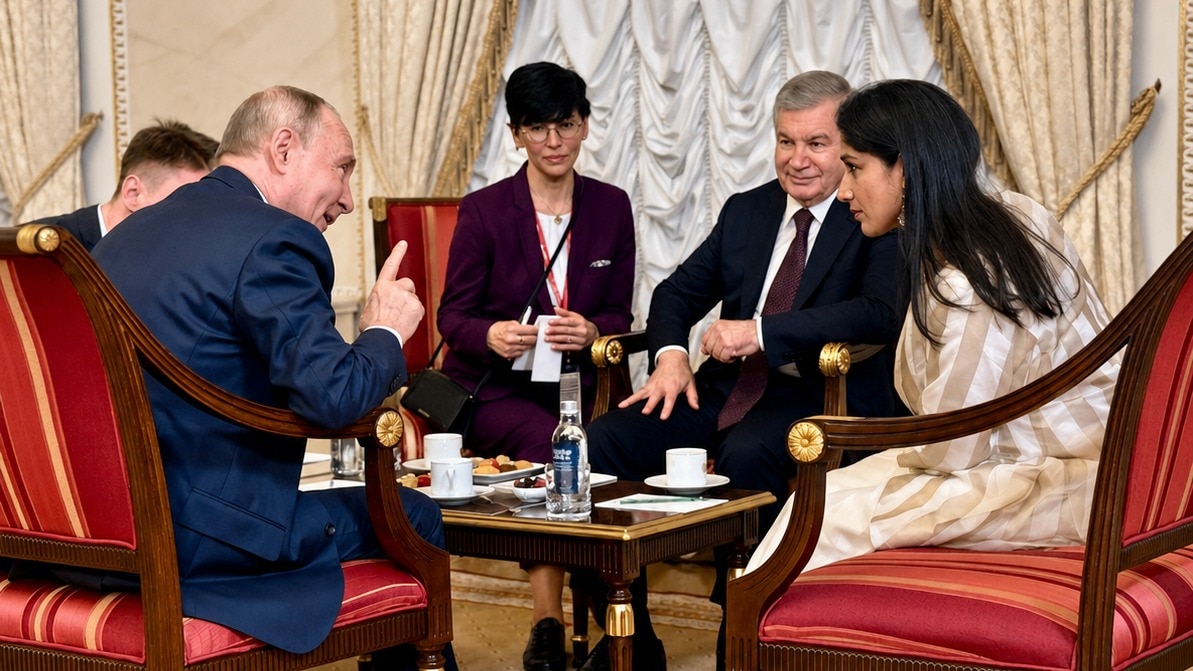
India Today Global sat down with Dmitry Peskov, spokesperson for the Kremlin and press secretary to President Vladimir Putin, at a moment when the Iran war is threatening to spiral into a wider global crisis. From the Strait of Hormuz tensions to Russia’s controversial proposal to take custody of Iran’s enriched uranium, Peskov lays out Moscow’s position on war, diplomacy, and global power shifts. As oil markets shake and alliances harden, this conversation offers a rare glimpse into how Russia sees the path ahead.
Question:
The most important meeting that took place on the current war situation was in Beijing, and that was between the Foreign Minister of Russia and the Foreign Minister of China. What is the role, Mr. Peskov, that Russia and China are likely to play in a scenario where the Strait of Hormuz could be shut for a prolonged period?
Dmitry Peskov:
Well, actually, I would like to remind you that Russia and China were the two countries that had been warning about the very negative potential consequences in case the solution of the Iran problem went in a war direction. From the very beginning, we had been warning about that and we were insisting that war would lead to very severe consequences, not only for regional security and predictability, but for global security as well, and of course for the global economy. And this is actually what we are seeing and monitoring every day, every hour, and every minute right now. The situation is really very grave. We are thankful that there is no active battle anymore. There is a pause in the battle on the ground — no bombing. We hope that it will last and we hope that it will never return. But meanwhile, the negative consequences for the global economy are ongoing. And of course, both Moscow and Beijing are standing for international law and standing against the neglect of international law. You know that international law has currently become a very fragile and vulnerable substance, unfortunately.
Question:
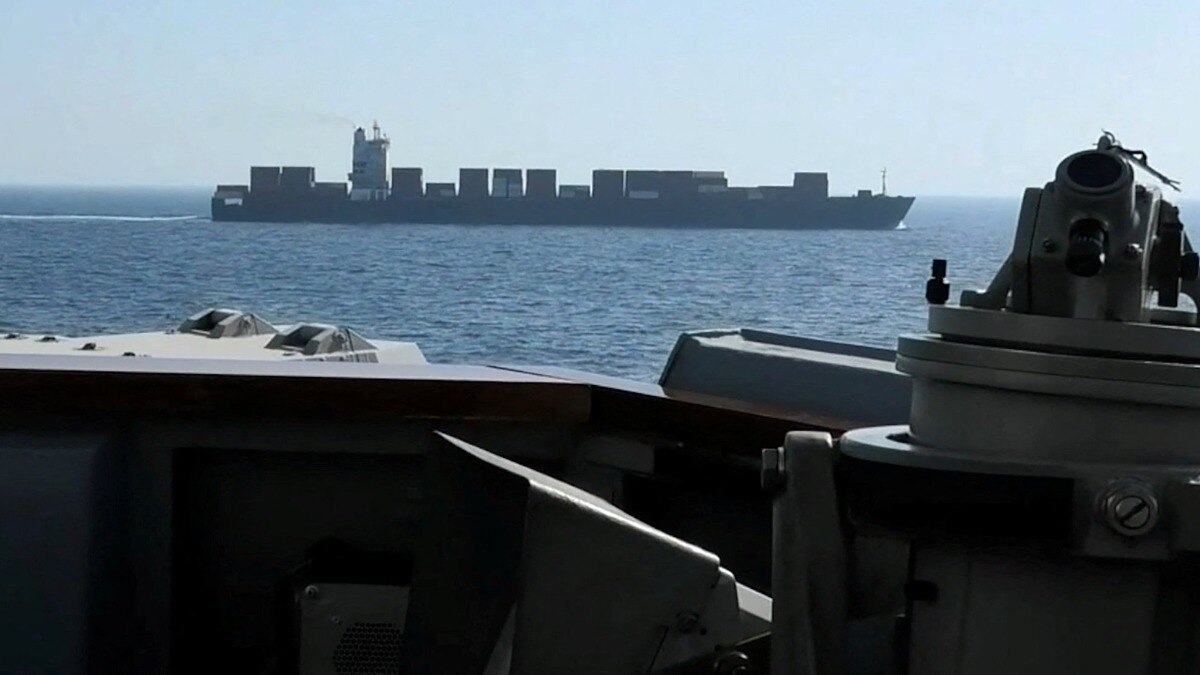
OK, talking about international law, Mr. Peskov, the fact that there has been a naval blockade that is still in place, although there is no active war ongoing, and the meetings have taken place — Iran is a very important partner for India, but also a strategic ally for China and for Russia. Could Russia and China, and I'm only asking you this, deploy in the Arabian Sea as a counter to the US naval blockade?
Dmitry Peskov:
Well, of course, we stay in contact with Iran. Iran is a partner of Russia — a strategic partner of Russia — and we have a very profound relationship in different spheres: in the economy, in mutual investments, in technologies, and in very sensitive fields. We are determined to continue those relationships. We condemned the aggression against Iran. We condemned it, and Iran was not the country that launched this aggression. But of course, now we are calling on all sides to take a balanced approach, to be restrained, and of course to ensure freedom of commercial maritime navigation in the Gulf, which is vitally important not only for the Gulf countries, but also for the rest of the world and for countries like India, Russia, and China. But at the same time — I beg your pardon — at the same time I would like to tell you that in these very difficult circumstances, Russia is continuing to be a very reliable supplier of energy to all the countries with whom we continue our cooperation.
Question:
We will talk about that because it's a very important question for India. Having said that, again, coming back to Iran — the biggest sticking point between the US and Iran was the enriched uranium. Now Russia has, according to some reports, proposed taking custody of Iran's highly enriched uranium as a way to reduce nuclear risk. Is this a serious diplomatic initiative that Russia is willing to take on?
Dmitry Peskov:
Yes, and it is not a new one, actually. President Putin initiated this proposal quite some time ago, and he said that Russia was ready to take the enriched uranium onto its soil. This could have been a very good solution, but unfortunately the American side rejected this proposal, and now it is not on the table of negotiations. Although President Putin is ready to return to this initiative should it be needed by the countries concerned. Perhaps in this context there is merit in recalling the very beginning of the story in the Gulf.
Question:
This is a very important question, sir. I just need to ask you this for our viewers, for the world. You're saying that Russia had put this offer forward long ago and the US rejected it. Iran was OK with it. You're a P5. Why would the US object to this?
Dmitry Peskov:
Well, they have their own demands. They have their own interests. The question is how to reconcile the demands and interests of all the parties concerned in order to reach an agreement, to make a deal, as Washington says. I would like to remind you of the very beginning of this story — it is very important. We have cooperation with Iran in the field of nuclear energy; we are constructing a nuclear plant there, Bushehr. We are heavily involved in bringing peaceful nuclear energy technologies to Iran, creating a separate sector of the economy in that country. The same project is underway in India. From the very beginning, the Americans kept saying that Iran was aiming to develop nuclear arms, but Iran insisted that they were not doing that and that they had no goal of creating nuclear weapons. Besides, Iran had been one of the most heavily inspected countries by the IAEA — the only responsible international body in this field. And the IAEA never acknowledged any attempt by Iran to develop nuclear arms. This is very important not to forget, because the allegation that Iran was planning to develop nuclear arms was presented as a pretext for aggression. This is very important.
Question:
Should you hold the uranium? Should this be an offer that the Trump administration accepts? Would you be open to UN oversight of Iranian enriched uranium? Would you be OK with the IAEA coming and inspecting the enriched uranium of Iran while it is on Russian soil?
Dmitry Peskov:
We are in full dialogue and full cooperation with the IAEA. As a responsible member of the nuclear club, we do whatever is needed to be completely open and transparent with the IAEA.
Question:
How damaged is the Bushehr power plant? It is a Russian project as well — how much loss or damage has Russia suffered?
Dmitry Peskov:
Well, you know that there was shelling of the territory adjacent to Bushehr station and the power block. This was a potentially very dangerous situation. Thank God there were no negative consequences. We also know that the IAEA expressed its concern about the dangerous situation in that regard. The power plant itself is not damaged. The majority of our personnel have been evacuated from the site, and only the personnel responsible for taking care of the territory — ensuring it is not accessed by outside parties who could endanger the very sophisticated technology there — remain and are still performing their duties. So the plant is not damaged, thank God. Now we have to wait and understand what is going to happen next. We have to wait for a deal and we hope there will be no more bombing. Iran, like every country in the world, should have an unquestionable right to peaceful nuclear energy.
Question:
Absolutely, absolutely. But I also always ask this question to most of the leaders I interview — why are the standards and terms different for Israel and for Iran? There are so many countries who actually confirm it, and while Israel keeps denying it, Iran says that they are fighting two nuclear powers — Israel and America. So why is the same standard not held for Israel as it is for Iran?
Dmitry Peskov:
Well, we are living in a world full of double standards. And this double-standards approach, unfortunately, can be found anywhere in the world. This is, unfortunately, the modern reality that we have to face — that is number one. All the countries of the region, including Israel, Iran, Lebanon, and Palestine, have to have their security ensured and guaranteed. But the security of one country cannot be guaranteed at the expense of another country, thereby endangering it. This is a very important and very complicated task to solve when looking for a deal in the region. I hope that the countries involved in the negotiations and the countries facilitating those negotiations — and we very much appreciate the role of those countries — will keep in mind how complicated this task is.
Question:
Is Russia providing any form of military intelligence or logistical support to Iran at this stage or at any stage? Have you done it? There are reports that suggest so, although there have been denials from Moscow, from your office.
Dmitry Peskov:
Russia is not taking part in this. Russia is not a participant in this war affair. It is not our war.
Question:
It's not your war, but you are now playing an important role in navigating the diplomacy of how to bring about peace. How do you see that happening, and how do you propose it happen? Has this war exposed America's military weakness, the Arab world's vulnerabilities, and shown Iran's resilience?
Dmitry Peskov:
Well, listen, I think it would be illogical to underestimate the military and economic power of the United States. It is the most powerful country in the world — militarily and economically — and we have to keep that in mind. But this is a very complicated region, with many contradictions between countries that have been living side by side for ages and will continue to do so. You have to be very careful when engaging with this region, and very careful in taking any steps, even small ones, in this very fragile region. We keep that in mind and are convinced of it. We are maintaining our relationships with all the countries involved and all the countries concerned, and Russia, as a responsible member of the global community, is ready to make any effort that may be required to find a solution.
Question:
President Trump calls his actions "peace through strength." How does Moscow view that at a time when the Arab world is most affected and oil supplies are disrupted? Is this peace through strength?
Dmitry Peskov:
Well, you know, the situation is still, in my understanding, quite unclear. The United States is blockading the coast of Iran, Iran is blockading the Gulf as a whole, and we don't know exactly who is blockading what. We don't yet know what the consequences are going to be. But we do hope that negotiations will resume and that they will result in a certain agreement. It is necessary for all countries. It is necessary for the countries of the Gulf, who are suffering from this war. It is necessary for the global economy, which is suffering from this war, and the consequences will be felt for quite a long time. This shortage of oil and the shortage of commercial cargo that cannot be delivered due to this situation will not disappear immediately — it will be felt for a long time.
Question:
We will talk about oil, but before that you spoke about mediation. How do you view Pakistan's role in playing mediator, and could Moscow also be looking at parallel negotiations, back channels? Have you opened those talks and channels with Washington? What does it look like?
Dmitry Peskov:
Listen, we are very grateful to Pakistan and we very much appreciate its role in creating the atmosphere and environment for these negotiations, and we hope that this will be resolved in the end. As for us, we are ready to do whatever is needed. We are not going to force our presence on anyone, but we are ready to do whatever is needed for peace, stability, and predictability in the region.
Question:
Well, your presence can be felt even if you don't want it to be. We're seeing the Russia-China engagement. There are important conversations. You are a stakeholder with Iran's oil supply shut. How much can Russia really fill that gap? And what is your reading on the global economic oil situation? You just said it's going to get worse. Can Russia fill that gap, especially for India?
Dmitry Peskov:
President Putin is in permanent contact and in permanent dialogue with the leaders of the Gulf countries, with the President of Iran, with the Israelis, and we are in contact with Washington. We have certain channels of communication, and that gives us the ability to at least express our position, explain our position, and call for peace on all sides. That is number one. Now, when it comes to oil — well, you know that roughly one third of the Gulf's oil production is out of the market. The global oil market is very fragile and vulnerable, and the loss of that significant amount cannot be compensated overnight. It will take time to rebalance the oil market, so we will see negative consequences of the situation in the Gulf. Russia is facing sanctions that are illegal under international law, but despite that, we are overcoming those sanctions and we are supplying different countries with oil and liquefied gas, and we will continue to do that. We are ready to increase supplies should it be needed. In this context, India is a very important partner for us. Our companies have cooperation with India in this sphere, and it is very sophisticated — it is not only oil shipments. We have very sophisticated cooperation with India, and we hope to only enlarge the scale of this cooperation in the future.
Question:
Has this war, in a way sir, given Russia a breather — with oil no longer being sanctioned and countries now being allowed to buy Russian oil again? Is this a breather for Russia?
Dmitry Peskov:
Well, it should not be exaggerated. There are many rumours about that right now in the news, but it should not be overstated. Yes, we have some modest surplus. But it is not of vital importance to our budget, and it is not of vital importance to our economy as a whole. We do have a certain financial surplus from this situation, but it should not be overstated.
Question:
If this blockade continues, can Iran sustain itself, or are we looking at a strategic partner and ally of Russia and China really crumbling?
Dmitry Peskov:
Well, it is potentially very difficult. We don't know what the nature of this embargo — this sealing of Iran's coast — is going to be. We don't know how it is going to work, and I think no one knows. Because right now we are seeing a great deal of contradictory news in the media — one source says it is sealed 100%, then you open another newspaper or TV channel and it says that four, five, or six vessels approached or left the coast and are now heading into the Arabian Sea. You don't know what is true and what is not. Of course, the special services of certain countries are monitoring the situation very carefully and they know what is actually going on. So let's wait and see. Iran is a big country. Iran is a powerful country. It is an ancient nation that is going to live forever. Of course, they are facing great hardship right now in the face of this aggression, but let's wait and see. Iran is going to continue to be our partner.
Question:
So you do not subscribe to President Trump's remarks when he said "end of civilization"?
Dmitry Peskov:
I would rather refrain from commenting on President Trump's social media publications.
Question:
OK, But optics is half the battle won in diplomacy, many say. Will there be a meeting between President Putin and his Chinese counterpart? Is he likely to travel to Beijing sooner rather than later, or at least before the big Trump visit to Beijing?
Dmitry Peskov:
Well, preparations for the summit are underway. We are getting prepared for these contacts at the highest level, and President Putin will visit Beijing and hold negotiations with President Xi. We will announce the dates of these visits in due course, simultaneously with Beijing. You know that China is also our strategic partner and we have a very well-developed relationship in every possible field with China. This development will continue.
Question:
OK, speaking of visits — is President Vladimir Putin expected to attend the upcoming BRICS summit in person, which India is hosting?
Dmitry Peskov:
I hope so. I hope so. Anyway, he will be taking part — he will be taking part in some form. I cannot tell you with 100% certainty right now, but I have no doubt that President Putin will be there, in one format or another. Participation is possible in different formats.
Question:
Alright, Mr. Peskov, I have to ask you this because it is a very important time for the world and for how geopolitics is shifting and changing. What are the red lines for Russia when it comes to Iran? I mean, they have already bombed Iran heavily, but there still has to be a red line for Russia and China to say "thus far and no further." What is that red line?
Dmitry Peskov:
Well, many red lines have unfortunately already been erased. A leader of a country should not be killed by another country. A country should not be bombed by a third or fourth country. These are actions that contradict international law, and international law should not be forgotten or neglected. I am saying this to illustrate that many red lines have simply been erased. And this is the work that we all have to do together — Moscow, New Delhi, Beijing. We have to restore international law globally. We have to help the United Nations to restore its role and to play a visible and meaningful role in global affairs. This is what we all have to work toward together.
Question:
Alright, that is a very important message. I hope the world is watching and listening. But just shifting focus to a very important election result that came about — and I heard your comments and comments that came from Russia — Viktor Orbn's defeat. Is that a blow to Russia in a way? The fact that the Hungarian government and its leadership is changing — has Russia lost one of its closest allies inside the European Union?
Dmitry Peskov:
Well, Mr. Orbn was never a Russian ally within the European Union. He was an ally of his own people — the people of Hungary. He served his people for quite a long period, for a number of years, and he did it very successfully. The time came for him to pass power to another person. And we don't yet know whether this is a loss for us or not. What we do know is this: we had many disagreements with Hungary because Hungary is a part of the EU, and Hungary is one of the countries that supported sanctions against Russia. Hungary is on the list of non-friendly countries that was created in Moscow. It is a non-friendly country because they are implementing sanctions against our country. But there was one very important difference with Mr. Orbn compared to other leaders of EU countries — he talked to us. When there were problems, he preferred to talk rather than keep silent. And very few people in the EU are capable of that. So we don't yet know whether his successor will do the same, but if he does, we appreciate it, and it will help us solve problems and better serve the vital interests of the people of Hungary and the people of Russia.
Question:
Final question, Mr. Peskov. Looking at Iran, Venezuela, the threats to Cuba, the threats to Colombia, the talk of acquiring Greenland — what, according to you and your intelligence community's assessment, is President Trump's next move? We are seeing Russia's outreach to Cuba, and it does appear that Russia is returning to that Cuba relationship. Is it a counter to Washington's global strategy? What is your reading on what is next for Mr. Trump?
Dmitry Peskov:
We are continuing our relationship with the leadership of Venezuela. We have many common projects on the agenda and we do hope to see the continuation of those projects. We hope for good-faith competition — fair competition — between the companies present on Venezuela's market. Our companies have been there for quite a long time. Cuba is an outstanding partner of Russia and a dear friend. We would not like to see any country invading Cuba, pressuring Cuba, or sealing Cuba from the outside and preventing even medicine from reaching Cuban children. Children in hospitals are dying without electricity and without medicine. That is not acceptable. As for the geopolitical aims and goals of the United States, I think you would be better off asking President Trump himself. He is extremely open with the press and very detailed in his explanations.
- Ends
Published By:
indiatodayglobal
Published On:
Apr 15, 2026 22:58 IST
Tune In