1 hour ago
As Iran mourns its Supreme Leader Ayatollah Ali Khamenei, it is the tiny coffin of his young granddaughter that has become the funeral's most emotional image. Amid grand state ceremonies and political symbolism, the child's farewell has emerged as a universal reminder of grief, loss and the human cost of conflict.
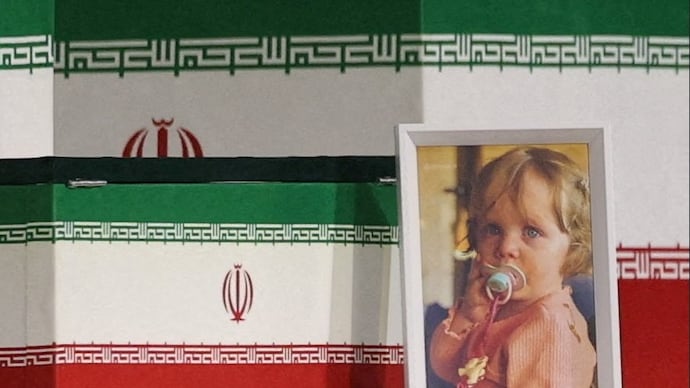
The tiny coffin of Zahra Mohammadi Golpayegani, the young granddaughter of Iran's late Supreme Leader Ayatollah Ali Khamenei. (Photo- Reuters)

UPDATED: Jul 4, 2026 14:44 IST
Amid the sea of black-clad mourners, towering portraits and chants echoing through Tehran's grand prayer halls, one image has pierced through the spectacle of state mourning more than any other, the tiny coffin of Zahra Mohammadi Golpayegani, the young granddaughter of Iran's late Supreme Leader Ayatollah Ali Khamenei.
Resting beside the coffins of Khamenei and other family members, the child's casket has become the most poignant symbol of Iran's week-long farewell. While the funeral has been carefully choreographed to project resilience, revolutionary fervour and national unity after the killing of Khamenei in US and Israeli airstrikes, the small coffin has transformed the ceremony into something deeply personal: the universal heartbreak of a family mourning a child.
A photograph of Zahra placed near the coffins has drawn widespread attention, shifting the focus, if only momentarily, from geopolitics to human loss. In a funeral dominated by military honours, religious rituals and political symbolism, it is the image of a child's final journey that has resonated most strongly.
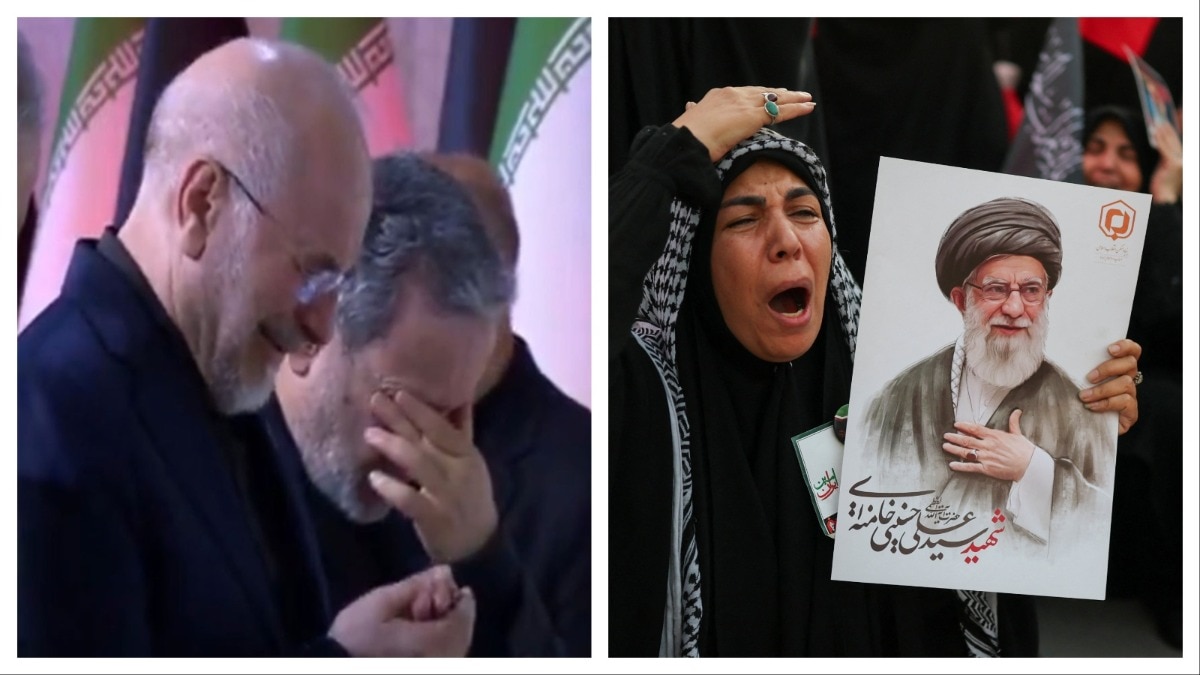
Khamenei's body has been laid in state at Tehran's Imam Khomeini Grand Mosalla, where clerics, government officials, foreign dignitaries and thousands of mourners have gathered to pay their respects. Supporters have wept openly, beat their chests in mourning and showered the coffins with flowers, turning the farewell into one of the largest public displays of grief in the Islamic Republic's recent history.
The funeral ceremonies stretch far beyond Tehran. Iran has organised a week of nationwide processions before Khamenei is laid to rest in Mashhad after ceremonial stops in the Shi'ite holy cities of Qom, Najaf and Karbala. Authorities have mobilised transportation, accommodation and food for mourners, hoping to demonstrate the enduring strength of the Islamic Republic despite the devastating loss of its highest leader.
Yet beneath the carefully orchestrated ceremonies lies a country facing profound uncertainty.
Khamenei's death ended a 37-year rule that shaped modern Iran's political and religious identity. His killing during the war has left the Islamic Republic navigating one of the most consequential transitions since the 1979 revolution. The emergence of his son, Mojtaba Khamenei, as the new Supreme Leader comes amid reports that he was himself wounded in the strike that killed his father, while his limited public appearances have fuelled questions about the leadership's immediate future.
The political transition unfolds against a backdrop of deep economic hardship and growing public discontent. Years of international sanctions have battered Iran's economy, while repeated waves of anti-government protests have exposed widening divisions between the state and sections of its population. Analysts argue that the government's calls for unity during the funeral contrast sharply with the internal strains that continue to challenge the Islamic Republic.
Still, none of those political realities have diminished the emotional power of the funeral's most unforgettable image.
Across social media and international news coverage, it is not only the coffin of one of the Middle East's most influential leaders that has captured attention, but also the smallest coffin beside it.
- Ends
Published By:
Zafar Zaidi
Published On:
Jul 4, 2026 14:44 IST