1 month ago
Pakistan does not recognise Israel, built its nuclear weapons in secret, and spent years in Washington's bad books. So how did Islamabad end up hosting the most important peace talks on the planet?

UPDATED: Apr 22, 2026 00:08 IST
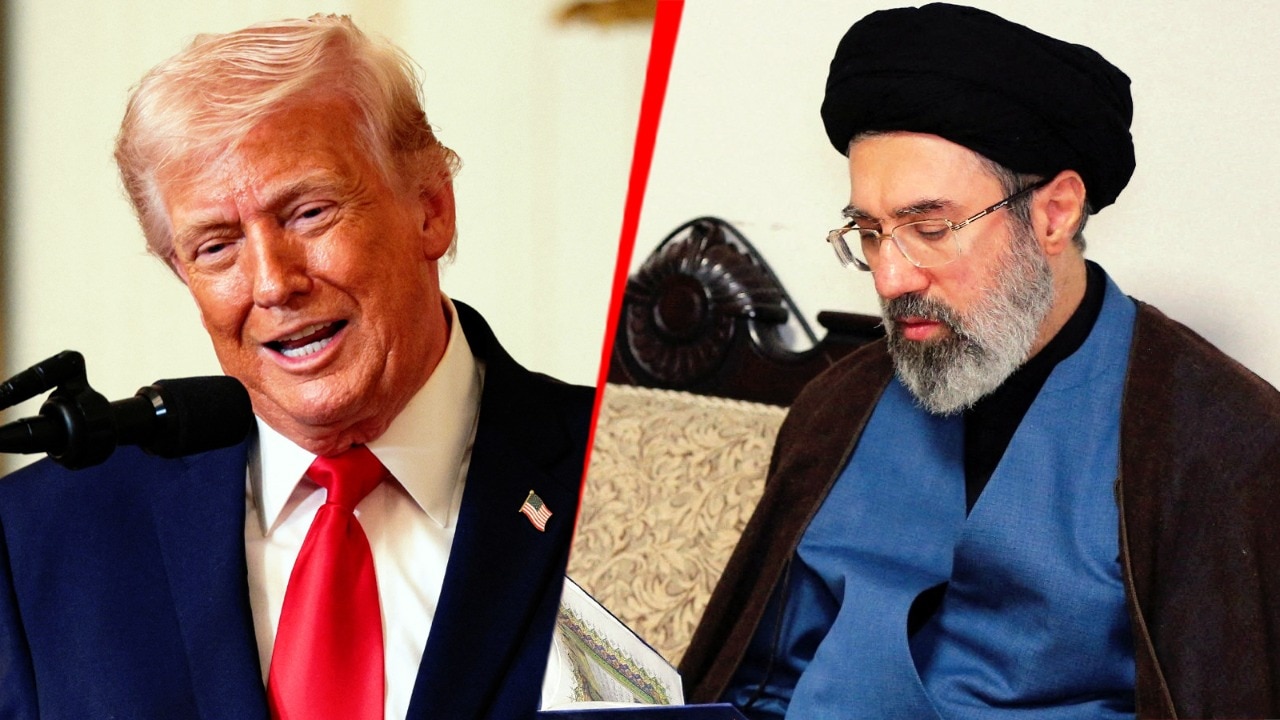
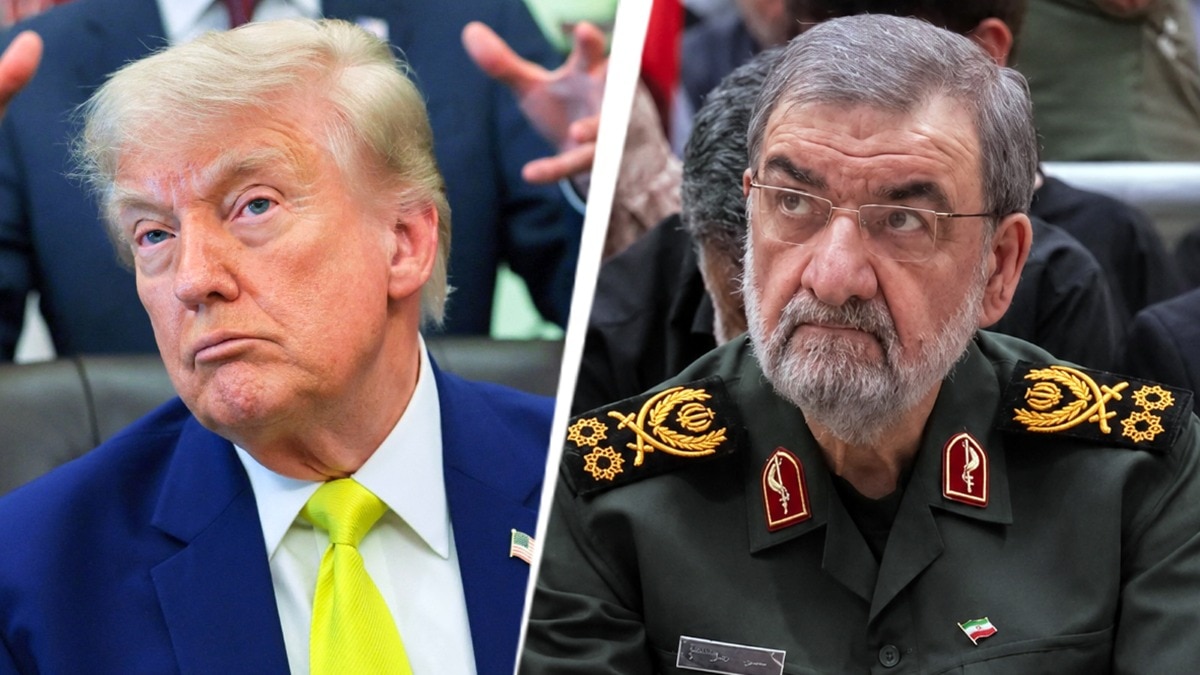
A luxury hotel in Pakistan's capital is now the venue for talks aimed at ending the Iran war, with whispers that Donald Trump himself might fly in to seal the deal if the second round goes well. The country hosting these talks does not formally recognise Israel, one of the key parties to the conflict. It became a nuclear power in secret, which is precisely what the United States and Israel accused Iran of attempting to do. And Trump, in his first term, publicly accused Pakistan of giving Washington "nothing but lies and deceit." Yet here Pakistan stands, at the centre of the world's most consequential diplomatic moment. So how did it pull this off?
Reading the room
Pakistan's former Senate Defence Committee chairman, Mushahid Hussain Syed, had a simple explanation. "We read him right," he said, referring to Trump. Where other countries saw an unpredictable president, Pakistan saw an opportunity. Trump's approach to diplomacy is transactional. He responds to deals, flattery and wins he can point to publicly. Pakistan gave him all three.
Syed described the strategy in three words: crypto, critical minerals and counterterrorism. These became Pakistan's offering, tailored precisely to what Trump valued most.
Counterterrorism: the foundation
Counterterrorism was the most consequential of the three. Early in 2026, Pakistan handed over a key suspect linked to the 2021 Kabul airport bombing that killed 13 American troops. It was a significant delivery, received quietly but appreciated loudly within Trump's national security circle. Pakistan also shared real time intelligence on terror groups threatening American interests in the region and helped facilitate backchannel communication between Taliban rulers and US envoys.
For a country long accused of sheltering militants, this was a meaningful shift. It rebuilt a foundation of trust that years of accusations had eroded.
Critical minerals: the economic hook
Pakistan sits atop vast, largely untapped reserves of rare earth elements, lithium, cobalt and antimony. These are the materials that power electric vehicles, semiconductors and fighter jets. In September 2025, Pakistan signed a 500 million dollar memorandum of understanding with a US firm for mineral exploration and processing.
The timing was deliberate. Trump had just signed an executive order prioritising domestic and allied access to critical minerals, largely to counter China's dominance of the global supply chain. Pakistan positioned itself as the answer to that problem. Deputy Prime Minister Ishaq Dar met Secretary of State Marco Rubio, who welcomed what he called "mutually beneficial trade." Pakistan had found its economic lever.
Crypto: the modern flourish
The third offering was the flashiest. After his re-election, Trump embraced digital assets openly, launching his own crypto venture. Pakistan moved quickly, easing regulations and opening the door for Trump linked platforms to operate within its borders. Bitcoin mining on cheap Pakistani hydropower, cross border payments via stablecoin and the onboarding of hundreds of thousands of Pakistani users into the ecosystem followed.
Trump responded. He called Army Chief Asim Munir his "favourite field marshal" for his "future forward thinking."
Flattery ran alongside everything
Pakistan's Prime Minister publicly credited Trump for brokering the India-Pakistan ceasefire of May 2025, even though India denied any American role. Pakistan nominated Trump for the Nobel Peace Prize. It joined Trump's Board of Peace. Pakistani officials praised him publicly and repeatedly.
It sounds excessive. It worked.
What it means
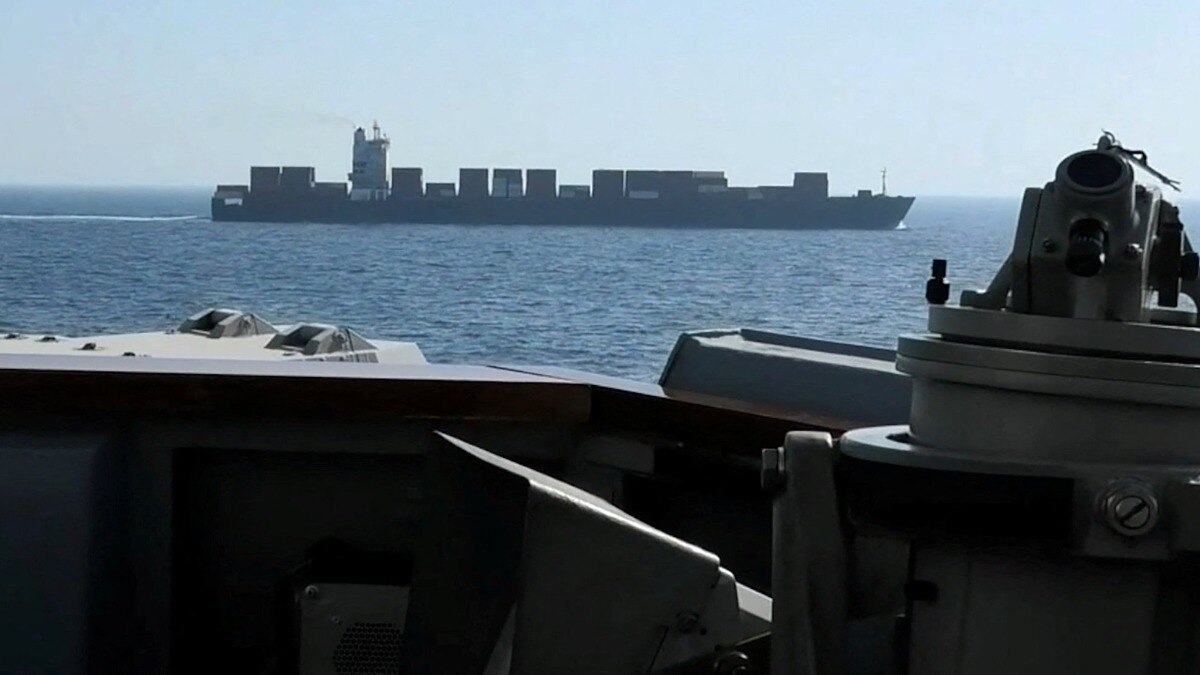
Critics argue that Pakistan's leadership is using global diplomacy to paper over serious domestic problems. Inflation, a collapsing currency, fuel shortages linked to the Strait of Hormuz closure and violent unrest after Iran's supreme leader was killed have all battered ordinary Pakistanis. Hosting peace talks, one prominent Pakistani diplomat noted plainly, does "nothing, zilch, zero" for the people buying bread and petrol.
But as a feat of strategic repositioning, it is hard to argue with the result. A country written off as unreliable, ideologically inconvenient and diplomatically awkward spent one year reading Trump correctly, delivering what he wanted and placing itself at the table that matters most.
Pakistan called it the three Cs. The rest of the world might simply call it genius.
- Ends
Published By:
indiatodayglobal
Published On:
Apr 22, 2026 00:08 IST
Tune In