1 month ago
Even as uncertainty persists over a second round of talks in Islamabad, noted Pakistani political commentator Najam Sethi told India Today that the ongoing war in the Middle East has handed Pakistan an opportunity to raise its international standing by acting as a mediator between Iran and the US — a role, he said, India could have played.
"The Prime Minister, Deputy Prime Minister, and Army Chief Munir have been on the phone continuously, trying to convince both sides to make concessions so that negotiations can begin," Sethi told India Today's Rajdeep Sardesai. He added that Pakistan has a genuine stake in Middle East stability since roughly 90 per cent of its oil comes from the region.
Pakistan hosted the first round of talks in Islamabad on April 11, which ended with both sides failing to reach a deal.
While Islamabad remains hopeful of Iran joining a second round of talks, Sethi argued Tehran would not want to return to the negotiating table under pressure from Washington.
CRACKS WITHIN IRAN?
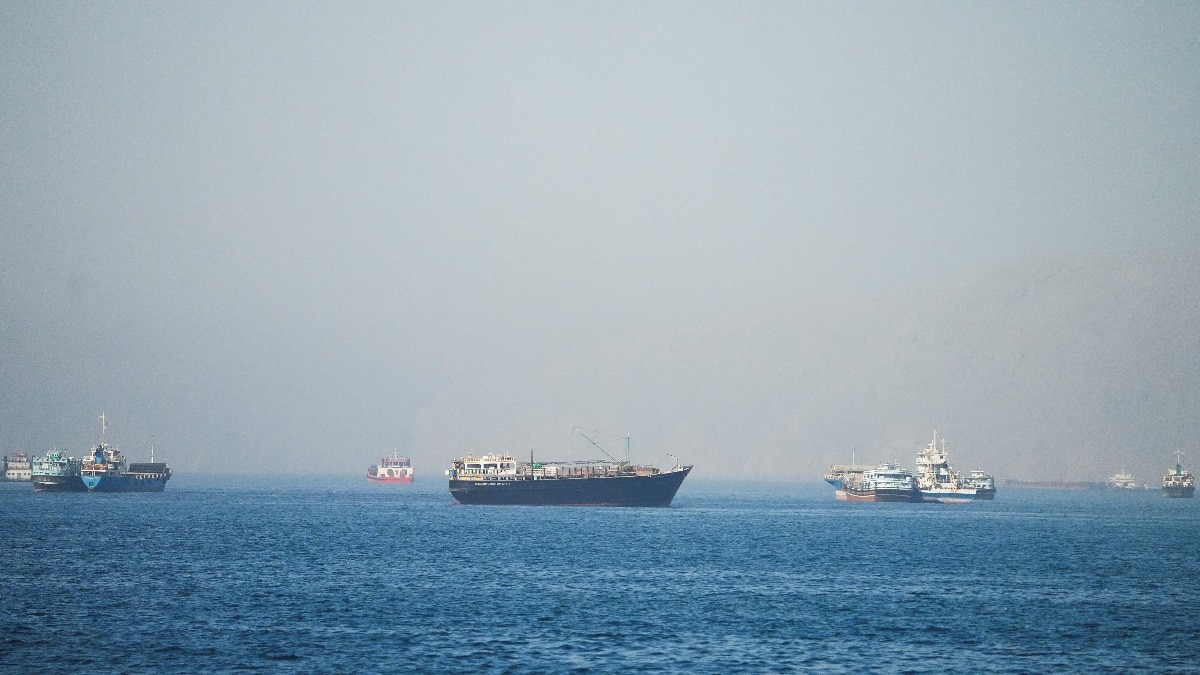
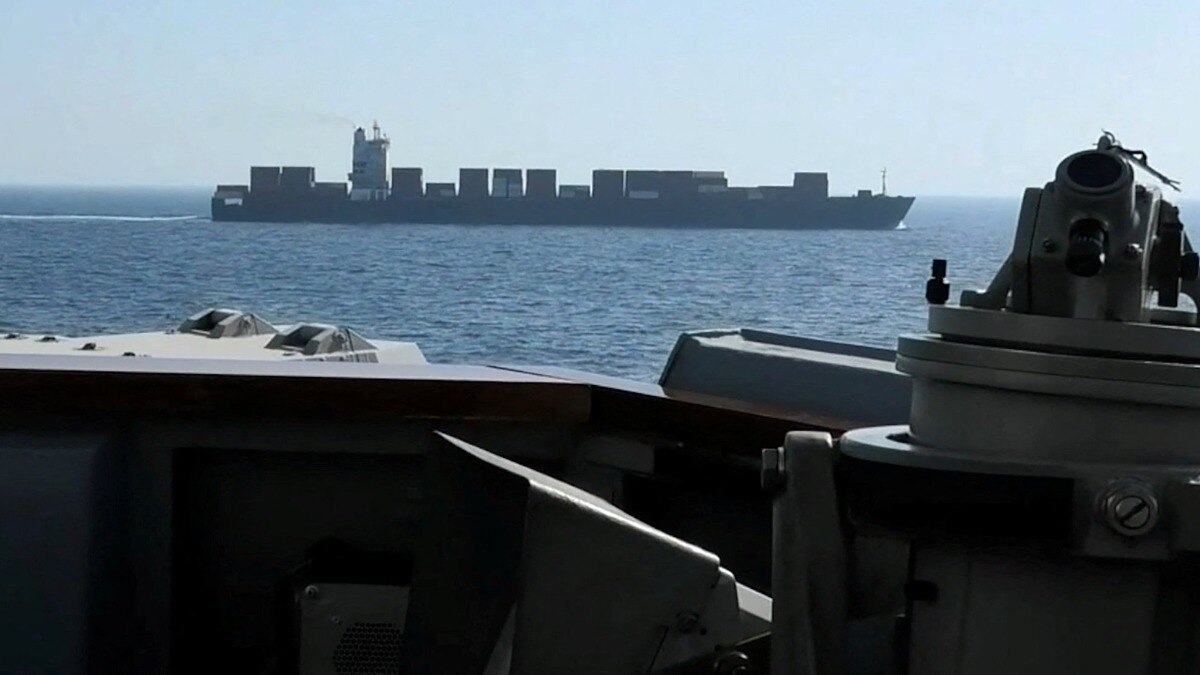
Sethi's comments come at a time when Iran has refused to participate in fresh talks while the US continues to blockade the Strait of Hormuz — a critical chokepoint through which a third of the world's oil trade passes.
The veteran journalist argued that talks have hit a deadlock because the US has not lifted its blockade even after Iran announced the reopening of the waterway on April 17.
Complicating matters further, Sethi said divisions persist within Iran's political establishment over how to handle the conflict. While he did not elaborate, the mixed signals over the Strait of Hormuz and the stalled talks point to a possible power struggle within the country.
On China, Sethi was dismissive. "It is working behind the scenes and would like to see the war end, but is not driving the process," he said, rejecting speculation about Beijing playing a mediating role.
HOW US-PAKISTAN TIES WARMED UNDER TRUMP 2.0
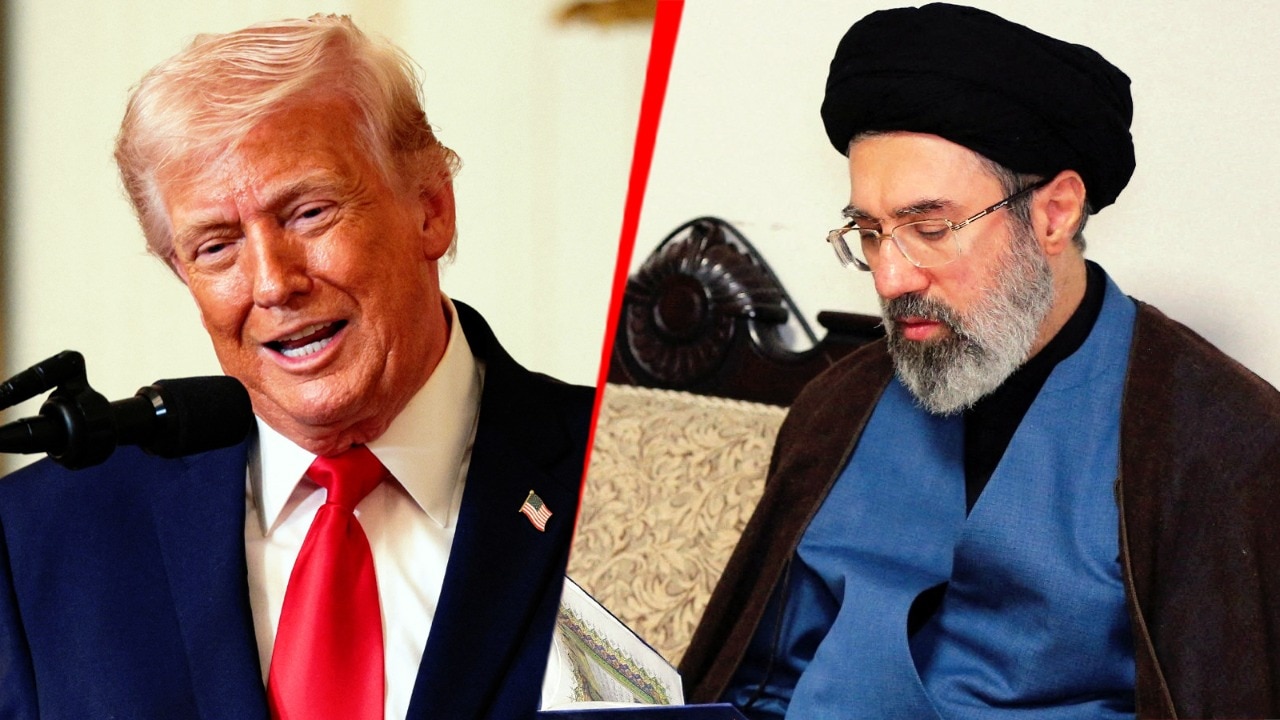
Pakistan's emergence as a mediator has drawn global attention, particularly given the country's ongoing economic difficulties. The answer, Sethi said, lies in the shrewd diplomatic groundwork Islamabad laid after Donald Trump's return to the White House.
"Pakistan launched significant lobbying efforts after Trump came to power. Those efforts have yielded results," he said.
Islamabad also played the counter-terrorism card effectively. In March 2025, Pakistan arrested and handed over Mohammed Sharifullah, the man behind the 2021 Kabul airport blast that killed 13 US troops, earning public praise from Trump.
Describing Trump as a "transactional man," Sethi said praising him for purportedly de-escalating tensions between India and Pakistan helped draw Islamabad closer to Washington. Cryptocurrency and mineral deals further cemented the relationship, he added.
"A degree of camaraderie has developed. Washington is now listening to Islamabad," he concluded.
- Ends
Published By:
Aprameya Rao
Published On:
Apr 21, 2026 23:41 IST
Tune In