 1 month ago
HomeMarket NewsIndia–US trade deal could stabilise rupee, revive FPI flows, says Trust MF CIO Mihir Vora
The India–US interim trade agreement boosts rupee stability and foreign investment, expands India’s export market, and benefits sectors like textiles, chemicals, and pharmaceuticals, says Mihir Vora.
3 Min Read
The recently announced India–US interim trade agreement could have significant macro and market implications for India, particularly by supporting the rupee and reviving foreign investment flows, according to Mihir Vora, Chief Investment Officer at Trust Mutual Fund.
Speaking on the development, Vora said the clarity on the deal — including the rollback of US tariffs and the move toward an 18% duty regime — removes a key overhang for markets that had persisted for months.
“The happiest part is that the deal is done. There was a segment of the market that believed it would still take time for the fine print. Now the fine print is out,” Vora said, adding that this should help stabilise the currency and kick-start both FDI and FII (FPI) inflows.
Vora added that the trade reset with Washington puts India in a stronger position relative to other export-oriented economies such as Vietnam, Thailand, Bangladesh and even China.
He said that with recent agreements with the US, EU, New Zealand and Australia, India’s overseas Total Addressable Market (TAM) has expanded meaningfully across multiple sectors.
“It’s not just about undoing tariff damage. We are now on an even or better footing than Vietnam, Thailand, China and Bangladesh in some sectors,” he said.
Long-term sector impact
According to Vora, the deal changes the five-to-ten-year outlook for several export-linked industries, including:
Textiles
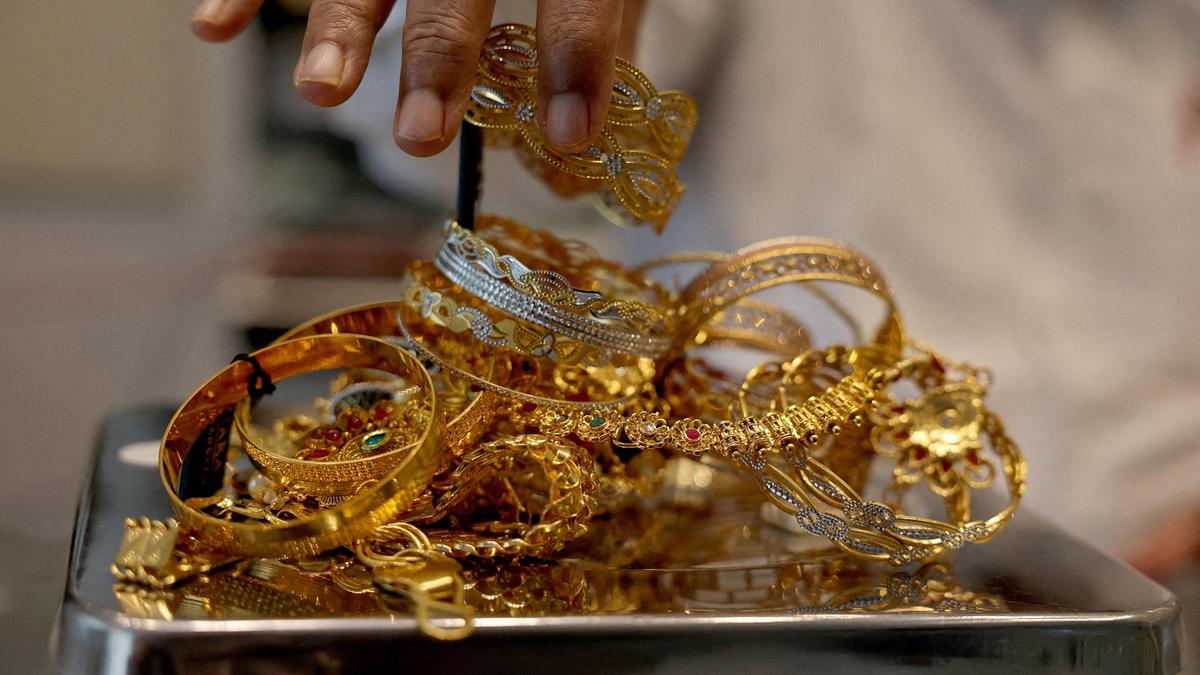
Gems and jewellery
Chemicals
Pharmaceuticals
Auto ancillaries
He suggested that this could trigger a long-term re-rating of these sectors as market access improves and supply chains diversify away from other manufacturing hubs.
Market outlook: Limited downside risks
Vora said he sees “very few reasons to be negative” on the Indian equity market at present, given improving trade ties and structural export tailwinds.
He added that the main competition for capital flows into India is likely to come not from emerging markets, but from US technology and AI-linked stocks, which continue to attract global investor attention.
Trade deal context
The India–US interim trade framework, announced through a joint statement by both governments, commits Washington to reducing tariffs on Indian goods to 18% after formal signing of the agreement, likely by mid-March.
In return, India has agreed to lower duties on a range of US industrial and agricultural products and address non-tariff barriers in areas such as medical devices and ICT goods.
Officials have said the pact is a stepping stone toward a broader Bilateral Trade Agreement (BTA), while also supporting more resilient and diversified global supply chains.
Catch LIVE updates on India US trade deal here
First Published:
Feb 7, 2026 11:46 AM
IST