 1 month ago
Immigrants to the US, including Indians, are avoiding travel even within the country amid the Trump administration's tightening visa restrictions and scrutiny. Such is the fear of not being allowed back into the US that even naturalised citizens are avoiding travel abroad, according to a KFF and NYT survey.
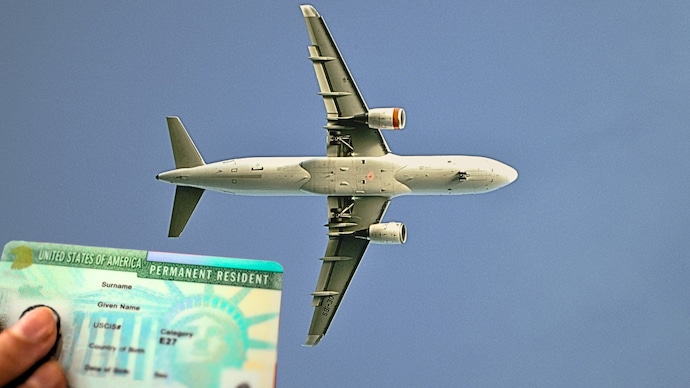
Immigrants, including Indians, are avoiding all travel to stay under the radar of US immigration authorities. (Image: File/Unsplash)
As the Trump administration increasingly adopts measures to limit immigration into the US, including stricter restrictions on the H-1B visa, a KFF and NYT survey found that more immigrants are now avoiding foreign travel in an effort to stay under the radar of American immigration authorities. Not just immigrants, even naturalised citizens are avoiding travel outside the US. A report by a media outlet focusing on Indian-Americans quoted an Indian immigrant as saying that they were avoiding travel altogether despite having the requisite documents.
The 2025 Survey of Immigrants, conducted by the Kaiser Family Foundation (KFF) in partnership with the New York Times, found that 27%, or three in 10, of all US immigrants deliberately avoided travelling within or outside the country to avoid drawing the attention of immigration officials.
The report said even lawfully present immigrants, including those with valid H-1B visas and naturalised citizens, were increasingly avoiding travel, with 32% and 15%, respectively, reporting such behaviour. The figure was significantly higher among undocumented immigrants, with the survey estimating that nearly two thirds, or 63%, avoided both domestic and international travel.
This comes at a time when the US is in the midst of its annual holiday season, which runs from Halloween to New Year's Eve. This period is typically the peak travel season in the US, with millions of Americans travelling by road and air. Travel data show that Thanksgiving and the Christmas and New Year period consistently rank among the busiest travel times of the year, often accompanied by widespread congestion.
WHY ARE IMMIGRANTS AVOIDING EVEN US DOMESTIC TRAVEL?
According to the KFF and NYT survey report, one of the biggest reasons that all immigrants within the US are avoiding any sort of long-distance travel is due to a desire to keep a low profile and not attract any attention from immigration authorities. This is because the Transport Safety Administration (TSA), according to an NYT report, started sharing data on domestic travel such as passenger manifestos with Immigration and Customs Enforcement (ICE) authorities.
This is the first time that immigration authorities are actively looking into domestic flights, which they had largely avoided interfering with till December. According to the KFF and NYT report, this marks the latest move by the Trump administration to expand data sharing across federal agencies to support the arrest, detention and deportation of immigrants who might be in the US unlawfully.
In a LinkedIn post, Shannon Schumacher, who works as senior survey analyst at KFF, stated, "In our recent KFF/New York Times Survey of Immigrants, many immigrants already said they were avoiding travel this year due to immigration-related fears. With the latest news that TSA is sharing passenger info with ICE, immigrants’ avoidance of travel will likely continue."
Even naturalised citizens were carrying their passports while travelling because of ICE fears, according to a report by The Guardian of the UK.
WHY ARE IMMIGRANTS AVOIDING INTERNATIONAL TRAVEL?
A 30-year-old Texas-based Indian IT professional, Shikha S, had booked her tickets for travelling to India to meet her parents after a gap of two years. But with news circulating about H-1B professionals undergoing additional scrutiny as well as delayed appointments, she decided to rethink her plans.
Speaking to the American Bazaar, Shikha's father, who is based in Mumbai, said, "My daughter is on an H-1B visa, and even though she does not need an extension or stamping currently, we advised her to postpone her travel. There is too much noise around the possibility of increased vetting of Indian visa holders. And while we will miss her during the only time she can manage a few weeks off from her work, we do not want her to face any unnecessary issues."
Sikha's experience mirrors those of many other H-1B visa-holding immigrants who are now doing all they can to avoid having to travel outside the US. Since July, various changes to the H-1B visa programme have sowed chaos and uncertainty among visa-holding professionals.
In July, the US State Department ended remote and third-country renewals for H-1B and H4 visa holders, requiring applicants to return to their home countries. In September, Trump signed an Executive Order imposing a $100,000 fee on new H-1B applications. Then in early December, the administration announced expanded social media screening procedures, including reviews of applicants' online activity.
IMMIGRATION LAWYERS ADVISED AGAINST TRAVELLING OUTSIDE US
As a result of these back-to-back changes, consulates and embassies across the world, and particularly in India, resorted to mass rescheduling of interviews to deal with all the new rules. This saw applicants who had interviews lined up for December 2025 pushed back as far as October 2026, with one unfortunate individual having their interview pushed back to 2027. This left hundreds of professionals stranded in their home countries away from their jobs and families after they had travelled to attend said interviews.
It was these reasons that made immigration lawyers, as well as major tech companies like Microsoft and Google to issue advisories warning immigrants, especially those with H-1B visas to avoid all foreign travel unless absolutely necessary. Immigration attorneys urged H-1B visa holders not to travel to India even to get their visas stamped, warning that they could lose their jobs.
Altogether, these developments have created a climate of fear and uncertainty that is reshaping everyday decisions for immigrants across the US. Heightened scrutiny, expanded data sharing between federal agencies and frequent policy shifts have made both domestic and international travel feel risky, even for those who are lawfully present.
As enforcement measures tighten and rules continue to change, many immigrants, including Indian professionals, are avoiding travel altogether as the safest way to protect their jobs, families and legal status.
- Ends
Published On:
Dec 30, 2025