1 month ago
Iran closed the Strait of Hormuz and headed to Switzerland for technical talks with the United States. Continued Israeli strikes in Lebanon have cast doubt over both the ceasefire effort and the interim deal.

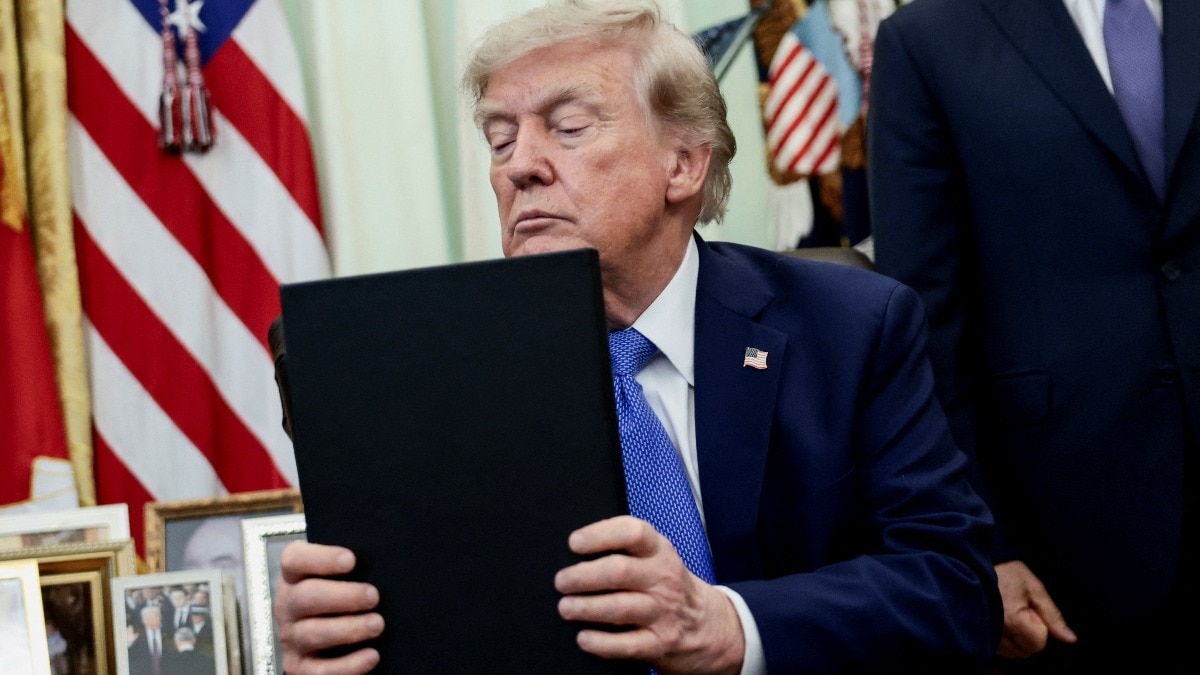
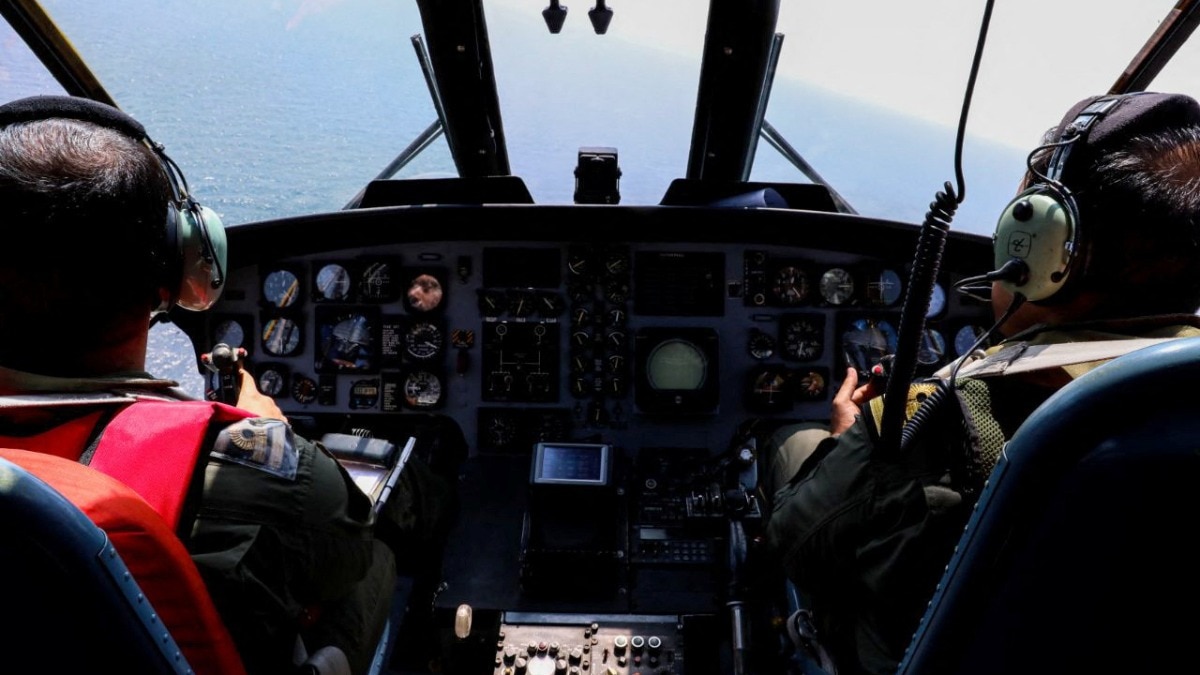
Image used for representational purposes only

Tyre,UPDATED: Jun 20, 2026 20:24 IST
Iran said on Saturday that it had closed the Strait of Hormuz and warned that talks with the United States in Switzerland were unlikely to make much progress for now, after Israel’s continued attacks in Lebanon. The moves came as fighting in southern Lebanon killed at least 16 people, including two children, despite reports of a ceasefire agreement.
Pakistan, a key mediator, said technical-level talks between Iran and the US will begin on Sunday in Brgenstock, Switzerland, with Qatari mediators also taking part. In Washington, Vice President JD Vance said senior US negotiators Jared Kushner and Steve Witkoff were already in Switzerland and working through technical details of the expected negotiations on Iran’s nuclear programme.
In its first announcement, Iran’s joint military command said the Strait of Hormuz had been closed, blaming the Israeli attacks and accusing the US of “bad faith” and a “clear breach of its commitments” by failing to end the war. In a statement carried by state television, it warned that “if the aggression continues, subsequent steps have been planned.”
Soon after, Iran’s state broadcaster said the country’s negotiating team was heading to Switzerland “in the coming minutes”, after the trip had originally been planned for Friday. But Foreign Ministry spokesperson Esmail Bagahei said little was likely to happen until Iran believed the US was honouring the deal. “This trip is therefore about demanding that the other side fulfil its obligations,” he said. He added that negotiations on a final agreement would begin only after key commitments were upheld, and said that if they were not, “then the memorandum of understanding as a whole will be jeopardised.”
Vance told Fox News that he expects to leave for Switzerland “sometime the next couple of days”, while acknowledging that “it’s always a delicate coordination dance”. The global economy was meanwhile bracing for more uncertainty. Ships had started transiting the strait after the interim US-Iran agreement was signed earlier this week, though the deal left many questions unanswered.
Earlier on Saturday, Israeli strikes on southern Lebanon killed at least 16 people, hours after reports of a ceasefire agreement emerged. Lebanon’s News Agency said seven people remained trapped under rubble after strikes on the southern city of Nabatiyeh and nearby villages. Lebanon’s health ministry later said the death toll in the latest war between Israel and Hezbollah had crossed 4,000.
Mediators were trying to stop the fighting after a heavy exchange on Friday killed at least 47 people in Lebanon and four Israeli soldiers. An Israeli military official, speaking on condition of anonymity in line with regulations, said Hezbollah fired more than 50 projectiles at Israeli forces in southern Lebanon overnight. Israel’s army said it hit dozens of Hezbollah targets and militants in southern Lebanon, including command centres.
On Friday, Israel’s ambassador to Washington, Yechiel Leiter, said Israel “remains firmly committed to an immediate ceasefire” if Hezbollah honours the agreement and stops hostilities. On Saturday, Hezbollah said it had committed to the ceasefire, but accused Israel of violating it several times on Friday night. A statement from the group’s military wing said it would abide by the ceasefire but would also repel attacks by Israeli troops.
The conflict has also threatened the interim US-Iran deal. Hezbollah and Israel went to war two days after the US and Israel launched strikes on Iran on February 28, with Hezbollah firing rockets and drones at northern Israel and Israel seizing large areas of southern Lebanon. The interim agreement reopened the Strait of Hormuz, which Iran had shut during the war, disrupting a major route for global oil and natural gas supplies. The deal also provides for the restart of talks on Iran’s nuclear programme.
Neither Israel nor Hezbollah is a signatory to the deal, which calls for a halt to military operations in Lebanon and respect for the country’s sovereignty. Israeli Prime Minister Benjamin Netanyahu has said Israeli forces will remain in southern Lebanon until any threat to Israel is removed. Hezbollah has said it will not stop its attacks unless Israel commits to withdrawing from Lebanon, which Iran says is also a condition of the deal. A new round of US-backed talks between the Lebanese government and Israel is expected in Washington next week.
In southern Lebanon, a strike on Barish killed four members of a family, including parents and two children. In Arab Salim, a body was pulled from a destroyed house. In Doueir and Kfar Rumman, drone strikes killed a person on a motorcycle and a Lebanese soldier. Nine others were killed in strikes on Qannarit, Sohmor and Shehour. Smoke rose over southern Lebanon and Israeli jets flew low over the coastal city of Tyre. Residents told AP they were relieved Tyre had been spared in recent days, but said the sound of Israeli aircraft was a reminder that the war was not over. “Our entire lives would change if there’s a ceasefire,” Tyre resident Hussein Khoshman said.
Netanyahu’s office did not immediately comment on the latest ceasefire efforts. On Friday, Netanyahu said the Israeli army had, on his orders, “struck powerfully” at 150 Hezbollah targets and killed dozens of militants. Military spokesman Brig Gen Effie Defrin said Israeli forces were operating in a “forward defence zone” and would continue to do so. The day closed with Iran hardening its position on the US deal, while violence in Lebanon continued to cast doubt over both the ceasefire effort and the talks in Switzerland.
With PTI Inputs
- Ends
Published By:
India Today Web Desk
Published On:
Jun 20, 2026 20:24 IST