1 month ago
Donald Trump has signalled tougher economic action against Iran as Washington weighs its next move. The push could deepen pressure on Tehran while raising risks for oil markets, China ties and US interests.
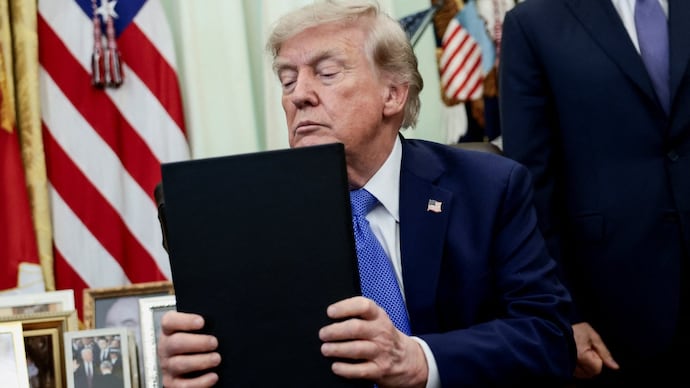
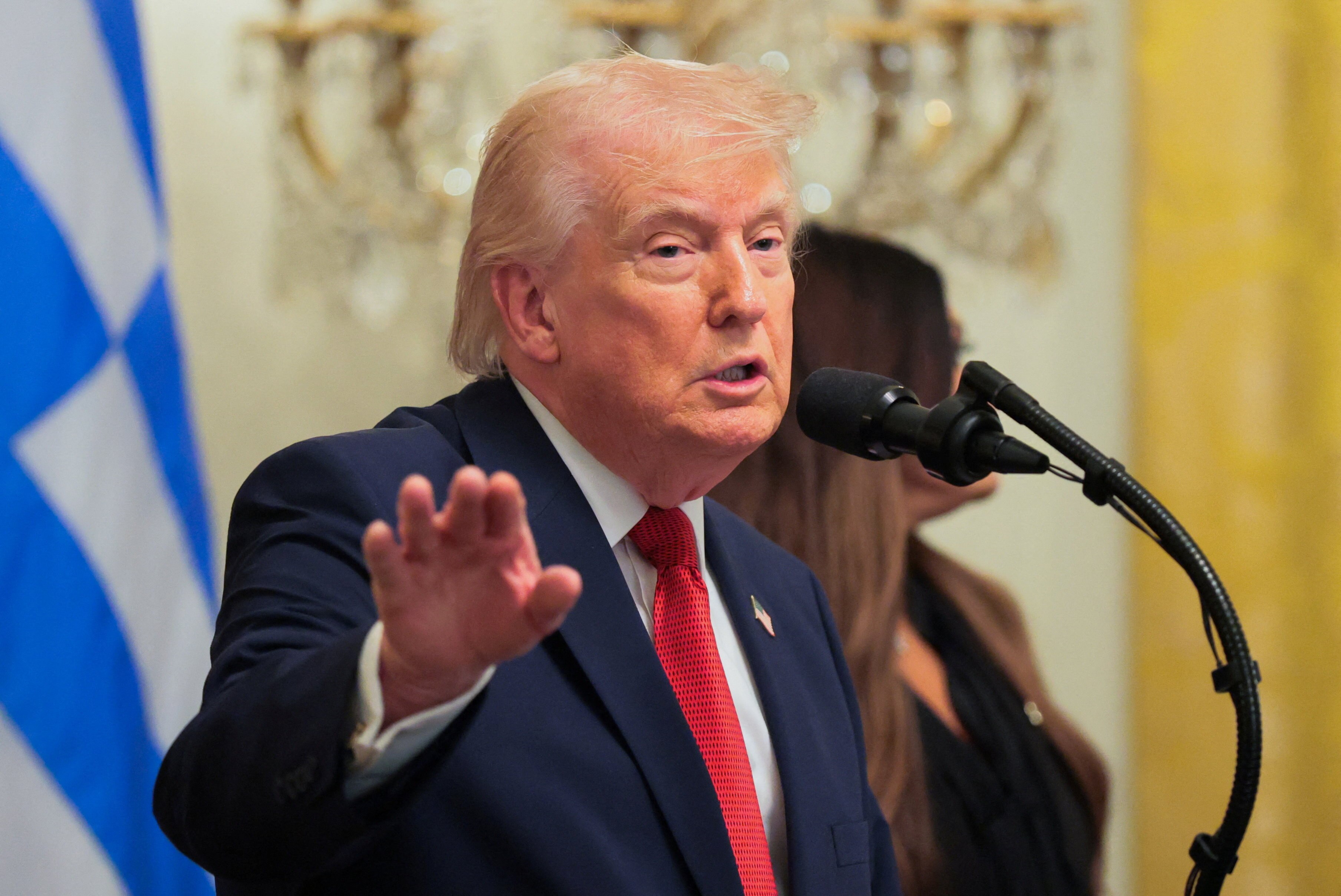
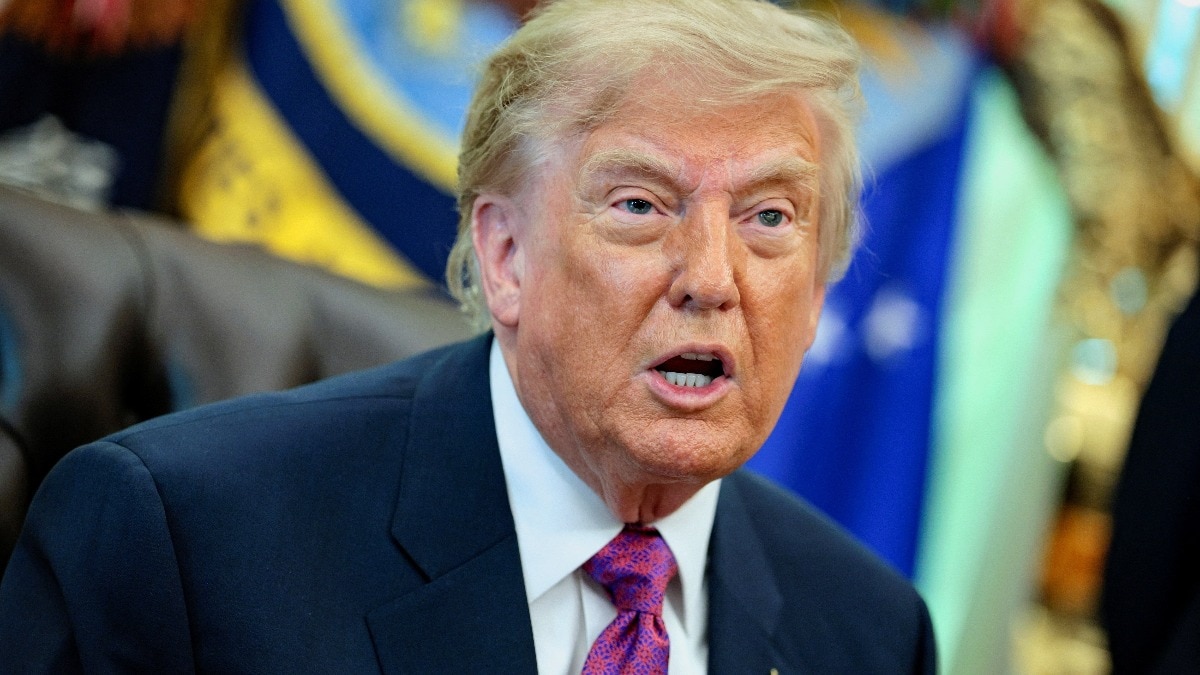
The US has built an extensive sanctions regime against Tehran over its nuclear programme, human rights record and support for militant groups in the Middle East. (Photo: Reuters)
US President Donald Trump has already sanctioned Iran's oil networks, squeezed its banks, targeted its shadow fleet and tightened the noose around its trade through the Strait of Hormuz. Now he wants to go further. The question is not whether Washington can punish Tehran -- it is how much economic pressure the US can add without hurting itself.
On Friday, Trump vowed to hit Iran hard economically, a day after Treasury Secretary Scott Bessent said Washington was preparing measures against Tehran that would have "never been seen" before. However, the Trump administration has not detailed what those measures will look like, leaving open the possibility of a fresh round of sanctions, tougher enforcement or steps aimed at countries and companies still doing business with Iran.
Over the years, the US has built an extensive sanctions regime against Tehran over its nuclear programme, human rights record and support for militant groups in the Middle East. Since the war with Iran began in February, Washington has added further restrictions on the country's energy, shipping and financial networks while imposing a naval blockade.
Data from the US Treasury Department's Office of Foreign Assets Control shows that more than 1,000 people, vessels and aircraft have been sanctioned since Trump began his second term. Recent measures have targeted Iran's so-called shadow oil fleet, shipping insurers, companies and individuals accused of helping Tehran obtain weapons, and digital exchanges that Washington says have helped move Iranian funds.
But the administration's next step could be more difficult.
Iran has adapted to sanctions and built alternative routes for moving money, selling oil and obtaining goods. Many of the remaining pressure points also involve China and Turkey, where aggressive US action could create new headaches for Washington.
CHINA COULD BE THE BIGGEST PRESSURE POINT
One of the most direct ways for Washington to squeeze Tehran would be to target the Chinese companies that continue to buy Iranian oil.
China is by far Iran's biggest oil customer, accounting for more than 80 per cent of its shipped crude exports, according to 2025 data from analytics firm Kpler. Much of that oil is absorbed by smaller independent Chinese refineries known as "teapots".
Washington has already sanctioned some of these refiners and companies involved in the trade. But the administration has so far stopped short of targeting the major Chinese banks that help facilitate Iranian oil transactions. Going after larger financial institutions could have a much bigger impact. If banks feared losing access to the US financial system, they could become far more cautious about handling Iranian money.
But that would carry a major risk: retaliation from Beijing.
Trump and Chinese President Xi Jinping are expected to meet later this year, and the administration has sought to keep tensions with China under control. Beijing could respond by restricting exports of critical minerals that the US and its allies need for advanced technology, electronics and defence production.
There is also a more immediate economic concern. Removing large volumes of Iranian oil from global markets could tighten supplies and push crude prices higher, potentially adding to fuel costs for American consumers.
IRAN KEEPS FINDING WAYS AROUND SANCTIONS
Another option is to keep expanding the existing sanctions campaign.
The US could target more Iranian individuals and companies, along with traders, shipping firms, exchange houses and businesses in China and the Gulf that Washington believes are helping Tehran evade restrictions. But experts warn that repeatedly adding names to sanctions lists may have diminishing returns.
Iran can simply create new entities to replace those that have been sanctioned. That does not mean sanctions have no effect. They can increase the cost of doing business, slow payments and make it harder for Tehran to access foreign currency.
Iran, however, has developed ways around formal financial channels. When one exchange house or intermediary is cut off, transactions can shift to another company, currency or informal network.
Washington could also expand aviation-related sanctions, particularly as the US has already restricted maritime trade through the Strait of Hormuz.
COULD US GO AFTER IRAN'S NEIGHBOURS?
Some US and Israeli officials have discussed an even more ambitious option: a land blockade designed to choke off Iran's remaining routes for imports and exports. Such a move would require cooperation from Iran's neighbours, including Iraq, Turkey, Pakistan, Afghanistan, Turkmenistan, Azerbaijan and Armenia.
Washington has varying degrees of leverage with several of these countries. Pakistan has sought financial assistance from the US, while Turkey is seeking to re-enter the US F-35 fighter jet programme. But enforcing a land blockade would be extraordinarily difficult. Iran shares long and complicated borders, and several neighbouring countries have strong economic reasons to maintain trade with Tehran.
There is also a humanitarian risk. Cutting off land routes could restrict Iran's access to food, energy, textiles and other essential goods.
And there is no guarantee that economic hardship would translate into greater domestic pressure on Iran's leadership.
TARIFFS COULD OPEN ANOTHER FRONT
Trump could also target countries that continue trading with Iran through tariffs.
The US President has previously threatened to impose tariffs on countries doing business with Tehran. A sanctions bill passed by the US Senate also includes provisions that could give Trump additional powers to impose tariffs on countries helping Iran with commerce and weapons procurement.
But the legislation still needs approval from the House of Representatives, where the tariff provisions could face resistance from Democrats and some Republicans. If used, such measures could force foreign governments and companies to choose between maintaining business ties with Iran and protecting their access to the US market.
That could extend Washington's reach beyond Iran itself.
THE ECONOMIC COST OF SQUEEZING IRAN
The US could also target Iran's overseas assets more aggressively. Washington has already frozen Iranian funds under its jurisdiction, but confiscating those assets would be legally and diplomatically more complicated.
Another possibility is expanding the maritime blockade. Rather than targeting individual vessels, Washington could go after the companies, terminals and infrastructure that support Iran's shipping network.
The challenge for Trump is no longer just about finding new ways to pressure Iran. Washington must also ensure that any tougher measures are strong enough to make Tehran rethink its position without driving up oil prices, provoking China or hurting the US and its allies.
- Ends
With inputs from agencies
Published By:
Satyam Singh
Published On:
Aug 16, 2026 18:12 IST