1 hour ago
Iran said it is ready to revive the June ceasefire understanding if the US honours its commitments. The offer came as fresh strikes and tanker incidents exposed how fragile the Hormuz truce remains.

Stock photo used for illustration

Dubai,UPDATED: Sep 1, 2026 15:42 IST
Iran President Masoud Pezeshkian said on Tuesday that Tehran is ready to return to the ceasefire understanding reached with the United States in June if Washington does the same. His remarks came after the first exchange of fire between the two countries in a month and amid fresh tension in and around the Strait of Hormuz.
At the same time, two ships were reported to have come under attack in and near the key waterway. There was no immediate claim of responsibility, even as diplomatic contacts continued on the sidelines of the Shanghai Cooperation Organisation summit in Kyrgyzstan.
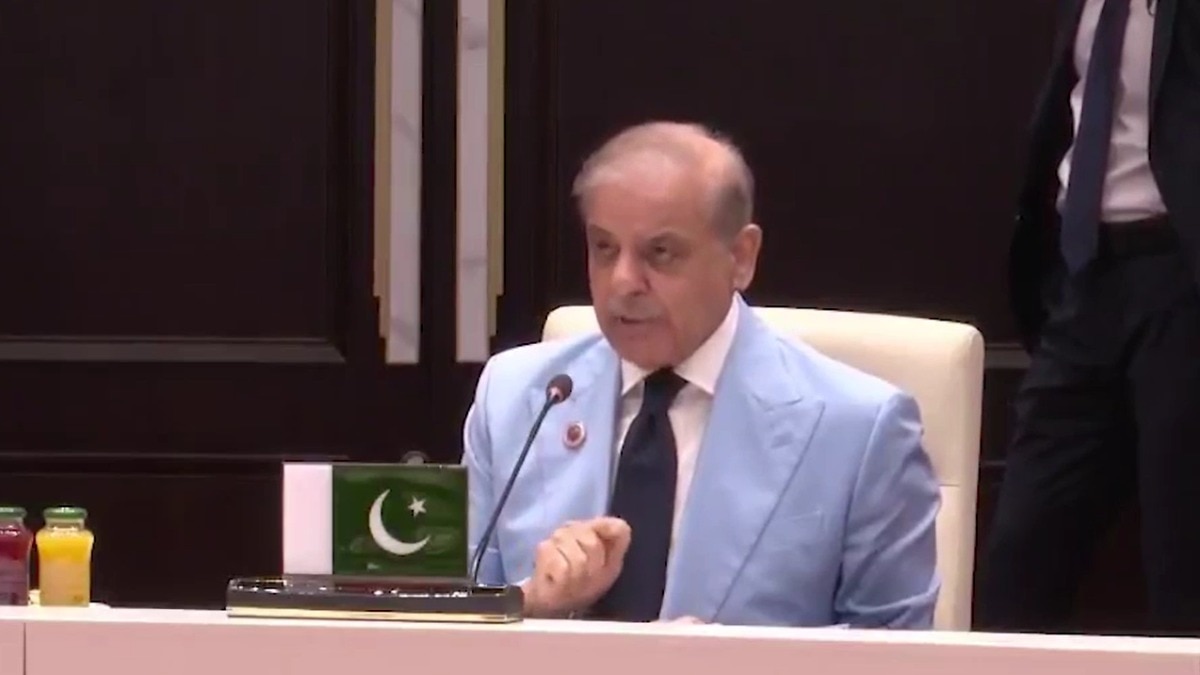
Speaking at the summit, Pezeshkian said, according to Iranian state media, that "if the US returns to its commitments in the memorandum of understanding, the Islamic Republic of Iran will immediately reciprocate". The June memorandum of understanding had provided for an immediate ceasefire and opened a 60-day period of negotiations aimed at reaching a broader peace deal.
Under that understanding, Iran had agreed to clear mines from the Strait of Hormuz and allow ships to pass during the period. The US, in turn, had agreed to end its naval blockade, lift sanctions, issue waivers for Iranian oil exports and begin work on a reconstruction package for Iran, among other steps.
However, the agreement broke down quickly. Although fighting had eased for a time, the two sides exchanged fire over the weekend, with the US targeting Iranian missile launchers on Larak Island in the Strait of Hormuz. Iran then fired missiles at American military facilities in Jordan, but those were intercepted.
While Pezeshkian has long backed a negotiated end to the war, the Revolutionary Guard remains the most powerful force in Iran and is pushing for greater concessions from Washington, including Iranian control over the Strait of Hormuz and financial compensation for the war. Those demands are likely to be unacceptable to the US.
The summit in Kyrgyzstan is being attended by the leaders of China, Russia and India, and has been presented as a counterweight to US global influence. Iran's foreign minister has already met his Chinese counterpart, and Pezeshkian was scheduled to hold talks later on Tuesday with Russian President Vladimir Putin.
Meanwhile, the British military's United Kingdom Maritime Trade Operations Centre said it had received reports of an attack on a ship in the Strait of Hormuz and another incident involving a tanker in nearby waters. In the first case, it said a tanker had been hit by three projectiles on Monday while leaving the Persian Gulf through the strait east of Oman. There were no reports of casualties or environmental damage.
In the second case, the UKMTO said it had received a report "involving a tanker and military forces" on Monday off the coast of Oman, east of the Strait of Hormuz. UK-based maritime risk and response company Ambrey said the vessel had reportedly been stopped and remained adrift. There were no reports of casualties in that incident either.
No group immediately claimed responsibility for the attacks. The developments came as Iran has continued to restrict traffic through the Strait of Hormuz and has regularly fired on ships there, while the US has also fired on ships as it maintains its blockade of Iranian ports. Together, the remarks from Tehran, the recent exchange of fire and the fresh incidents at sea underlined the continuing strain around the ceasefire understanding and the wider conflict.
With PTI Inputs
- Ends
Published By:
India Today Web Desk
Published On:
Sep 1, 2026 15:42 IST