1 month ago
Iran said it had shut the Strait of Hormuz and tied progress in Switzerland talks with the US to a ceasefire in Lebanon. The claim deepened uncertainty as Washington disputed the closure and fresh strikes kept the border conflict alive.

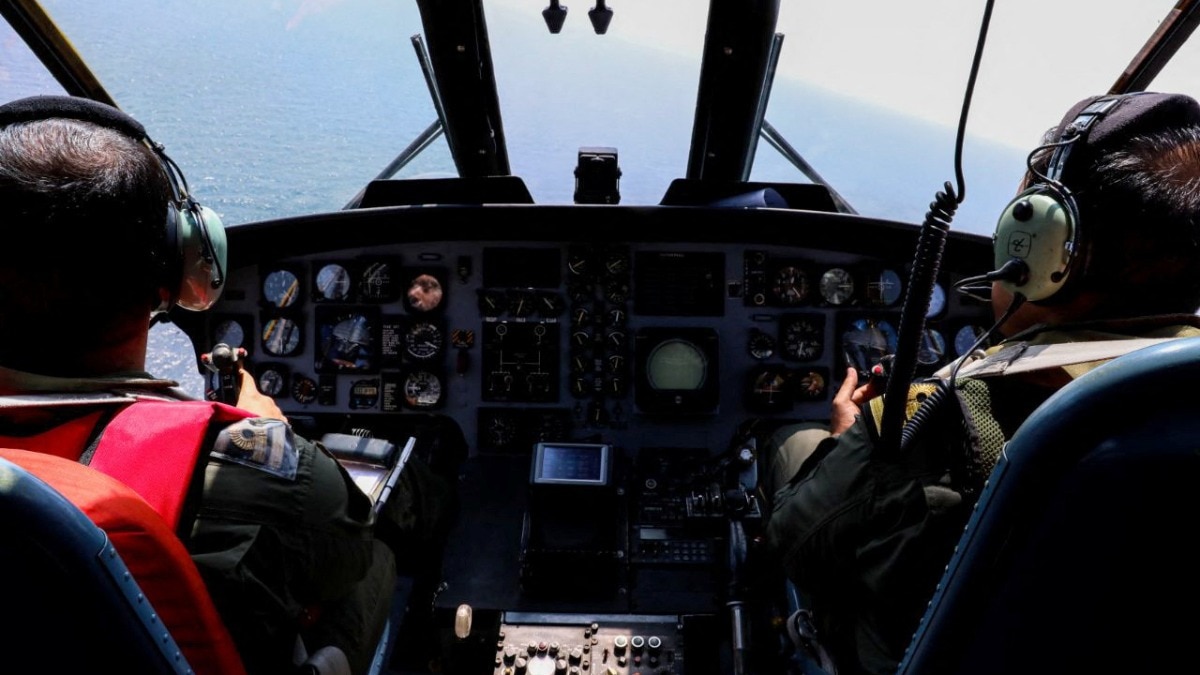
Image used for representational purposes only

Tyre,UPDATED: Jun 21, 2026 00:32 IST
Iran said on Saturday that it had closed the Strait of Hormuz after Israel's attacks in Lebanon, and warned that talks in Switzerland on its interim agreement with the United States were unlikely to make much progress unless the fighting stopped. Shortly afterwards, Iran's state broadcaster said the negotiating team had left for Switzerland after a delay from Friday.
The developments came as fighting continued in Lebanon despite reports of a ceasefire agreement. Pakistan, a key mediator, said technical-level talks would begin on Sunday with Qatari mediators also taking part, while the US disputed Iran's claim on the strait and said shipping traffic was continuing.
Iran's joint military command said the strait was closed because of the US' "clear breach of its commitments" by failing to end the war. The interim deal is meant to stop fighting on all fronts. State media said the Iranian team included parliamentary Speaker Mohammad Bagher Qalibaf, Foreign Minister Abbas Araghchi, and central bank and oil officials, among others. The deal calls for Iran's assets to be unfrozen.
The US rejected Iran's announcement. "Iran does not control the Strait of Hormuz. Traffic continues to flow, and US forces are monitoring the situation to ensure this remains the case," said Capt Tim Hawkins, a spokesperson for US Central Command. The military said 55 merchant ships transited on Saturday carrying more than 17 million barrels of oil.
Iranian Foreign Ministry spokesperson Esmail Baghaei said negotiations towards a final agreement would begin once key commitments were upheld. If they were not, "the memorandum of understanding as a whole will be jeopardised". US Vice President JD Vance said top negotiators Jared Kushner and Steve Witkoff were in Switzerland and working through technical details of the expected negotiations on Iran's nuclear programme. The interim deal gives negotiators 60 days to reach a nuclear agreement, though that can be extended. Vance told Fox News he expected to leave for Switzerland in "the next couple of days".
As part of efforts to revive direct talks, Pakistani Interior Minister Mohsin Naqvi met Araghchi in Tehran earlier on Saturday, according to officials in Islamabad who spoke on condition of anonymity because of the sensitivity of the issue. The global economy braced for more uncertainty. Ships began transiting after the interim US-Iran agreement was signed earlier in the week. The US lifted its blockade of Iran's ports and now allows Tehran to sell its oil freely, terms that have led some in Congress to question whether the war was worth it.
A Hezbollah official told The Associated Press that Iran had informed the group that Tehran would not reopen the strait until Israel publicly announced that it would comply with a "comprehensive ceasefire" in Lebanon and end military operations there. The official, who spoke on condition of anonymity because he was not authorised to speak publicly, said Hezbollah would commit to a ceasefire if Israel did. Later, an Israeli military official, also speaking on condition of anonymity in line with regulations, said the military had received "updated directives from the political echelon to cease fire". The official said the military was operating in a defensive manner in Lebanon, including the right to respond to Hezbollah attacks, and said five Israeli soldiers had been killed in the past 48 hours in southern Lebanon.
Earlier on Saturday, Israeli strikes on southern Lebanon killed at least 16 people, including two children, hours after reports emerged of a ceasefire agreement there. Lebanon's News Agency said seven people were trapped under rubble after strikes hit the southern city of Nabatiyeh and nearby villages. Lebanon's health ministry later said the death toll in the latest war between Israel and Hezbollah had crossed 4,000.
An Israeli military official said Hezbollah fired more than 50 projectiles at Israeli forces in southern Lebanon overnight. Israel's army said it struck dozens of Hezbollah targets and militants. On Friday, Israel's ambassador to Washington, Yechiel Leiter, said Israel "remains firmly committed to an immediate ceasefire" if Hezbollah honours the agreement and ceases hostilities. Earlier on Saturday, Hezbollah said it had committed to the ceasefire but accused Israel of violating it on Friday night and said it would repel attacks by Israeli troops.
Neither Israel nor Hezbollah is a signatory to the deal between the US and Iran. Hezbollah and Israel went to war two days after the US and Israel launched strikes on Iran on February 28, with Hezbollah firing rockets and drones at northern Israel and Israel seizing large parts of southern Lebanon. A new round of US-backed talks between the Lebanese government and Israel is expected in Washington next week. Israeli Prime Minister Benjamin Netanyahu has said Israeli forces will remain in southern Lebanon until any threat to Israel is eliminated, while Hezbollah has refused to stop its attacks unless Israel commits to withdrawing from Lebanon.
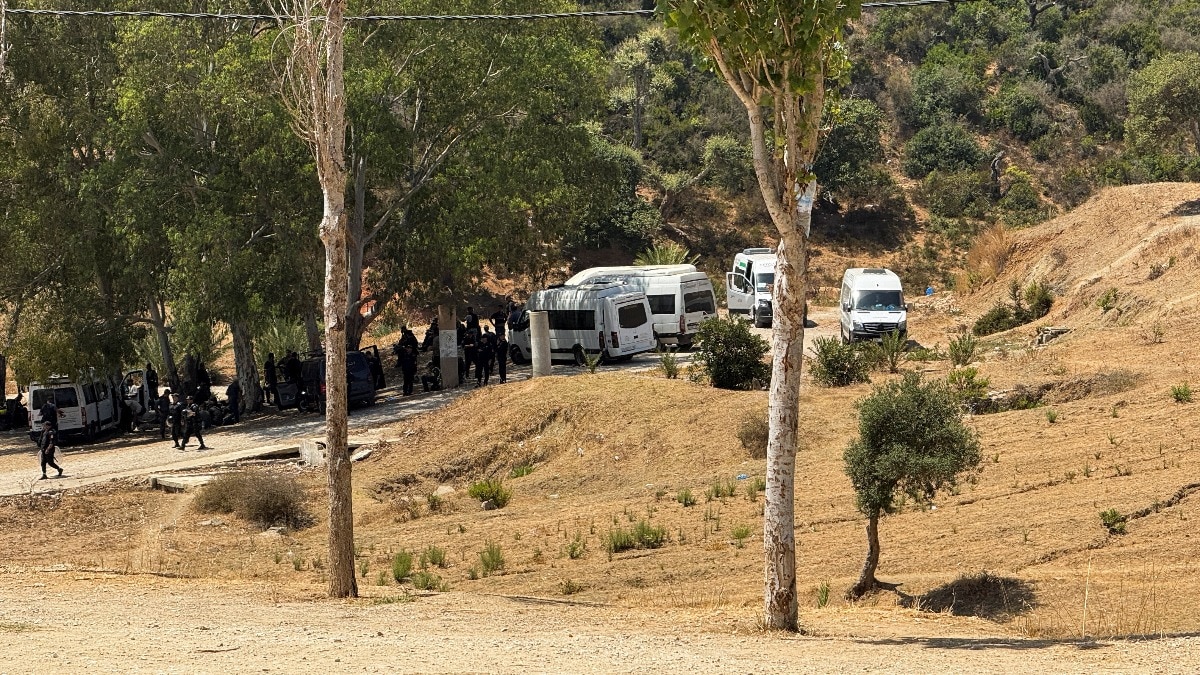
Fighting also continued near the Israel-Lebanon border. A strike on Barish village killed four members of a family, parents and their two children. In Arab Salim village, a body was pulled from a destroyed house. In Doueir and Kfar Rumman, drone strikes killed a person on a motorcycle and a Lebanese soldier. Nine people were killed in strikes in Qannarit, Sohmor and Shehour. Israeli jets flew low over the coastal city of Tyre. "Our entire lives would change if there's a ceasefire," resident Hussein Khoshman said. In northern Israel, some residents said they did not believe the fighting would stop. "I don't believe in a ceasefire because it doesn't exist," said Miriam Hod in Metula.
With talks set to begin in Switzerland, Iran linked progress on its interim agreement with the US to an end to the fighting in Lebanon, even as Washington disputed Tehran's claim over the Strait of Hormuz and violence on the ground showed no clear sign of easing.
With PTI Inputs
- Ends
Published By:
India Today Web Desk
Published On:
Jun 21, 2026 00:32 IST