1 month ago
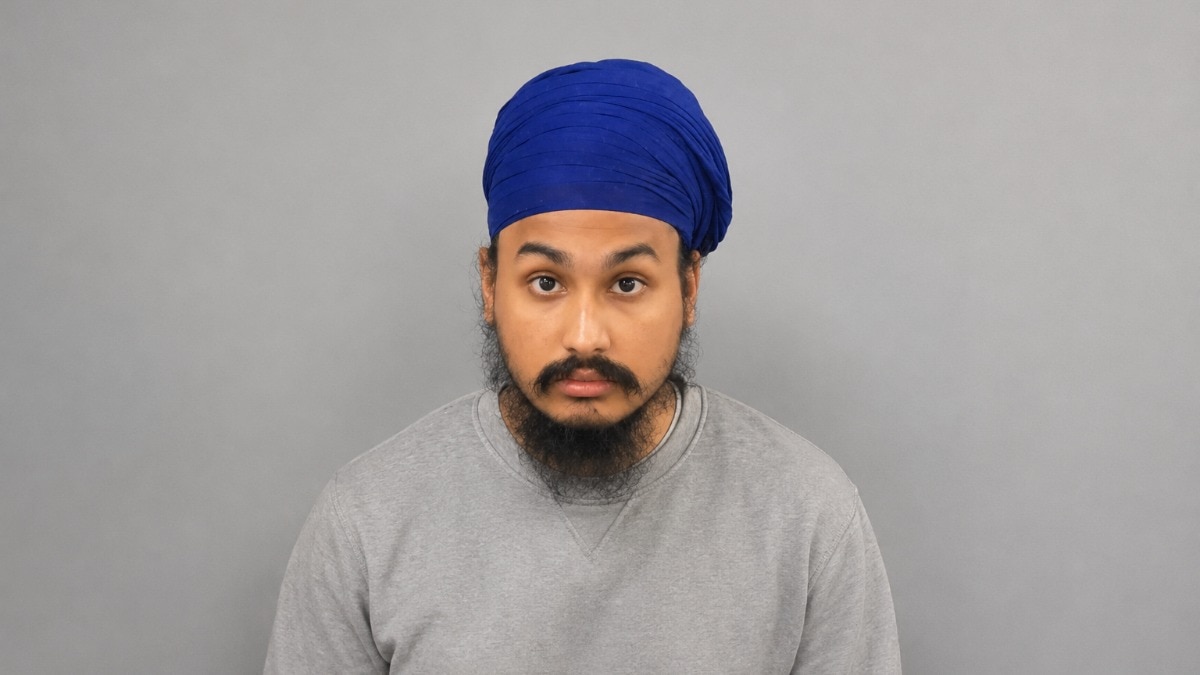
Bita Hemmati was tried alongside her husband, Mohammadreza Majid Asl, 34, and two other men, Behrouz and Kourosh Zamaninezhad, all of whom were handed death sentences in the same case.

The charges also include destroying public property, participating in protest gatherings and chanting protest slogans. (Photo: X)

New Delhi,UPDATED: Apr 15, 2026 21:24 IST
Iran’s judiciary is preparing to execute Bita Hemmati, who is set to become the first woman facing death over her alleged role in the anti-regime protests that spread across the country in January. She was tried alongside her husband, Mohammadreza Majid Asl, 34, and two other men, Behrouz and Kourosh Zamaninezhad, all of whom were handed death sentences in the same case. According to local media, their property has also been confiscated following the verdict.
According to a press release issued by the opposition Council of Resistance of Iran (NCRI), the judiciary accused the four prisoners of a range of offences, including using explosives and weapons, harming stationed forces on-site, and throwing objects such as bottles, concrete blocks and incendiary materials from rooftops.
The charges also include destroying public property, participating in protest gatherings and chanting protest slogans, which authorities said amounted to disrupting national security and links with hostile groups, along with sending content with the aim of undermining security.
Bita's another relative, Amir Hemmati, received a prison sentence of nearly six years on charges of assembly and collusion against national security and propaganda against the regime. The group was arrested in Tehran, which was at the centre of the protests.
GOVERNMENT CRACKDOWN AFTER NATIONWIDE UNREST
The protests began with local strikes by shopkeepers and market traders in Tehran in late December. What began in markets quickly spilled onto the streets, and within days, the unrest spread across the capital and into other cities, drawing in students and other sections of society.
The Iranian regime responded with a large-scale crackdown. Thousands were reported killed or injured, while tens of thousands were arrested. In the months that followed, several people linked to the protests were executed.
The case comes at a time when executions in Iran have seen a sharp rise. According to Norway-based Iran Human Rights and Paris-based Together Against the Death Penalty, at least 1,639 people were executed in 2025, including 48 women, which marks a 68 per cent increase compared to 975 executions recorded in 2024.
The figures translate to an average of more than four executions per day, making it the highest recorded number since monitoring began in 2008 and the most reported since 1989. In a recent case, Iranian authorities executed a teenage musician at Ghezel Hesar prison.
- Ends
Published By:
Satyam Singh
Published On:
Apr 15, 2026 21:24 IST
Tune In