1 hour ago
Iran has warned oil tankers in the Strait of Hormuz to use Tehran-approved routes or face force. The threat sharpens risks for global shipping even as mediators report progress in US-Iran talks.

Dubai,UPDATED: Jul 2, 2026 23:50 IST
Iran's joint military command on Thursday warned that all oil tankers moving through the Strait of Hormuz must use routes approved by Tehran or face a "forceful response", raising tensions around one of the world's most important energy shipping lanes.
The warning came as the strait emerged as a major issue in talks aimed at finding a permanent end to the Iran war. The statement was issued after US and Iranian diplomats met mediators in Qatar on Wednesday, even as Pakistani officials said the discussions had made "positive progress".
The statement from the Khatam al-Anbiya military command, carried by Iranian state television, did not say what had triggered the threat. However, it came after the US military's Central Command said following a meeting with officials from Middle East countries in Bahrain that "leaders underscored their shared commitment to the free flow of commerce through" the strait.
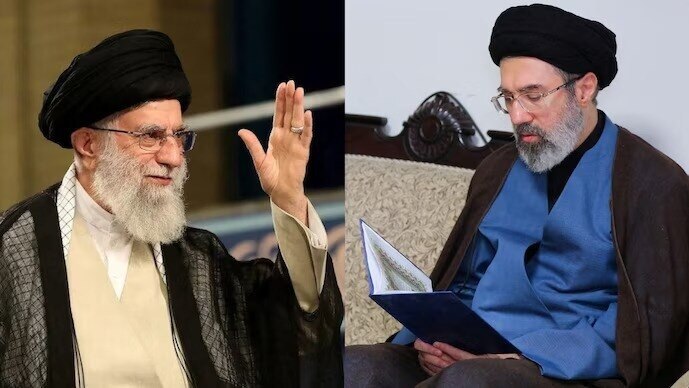
Iran is preparing for the funeral of late Supreme Leader Ayatollah Ali Khamenei, which begins this weekend. Khamenei was killed in the first moments of the war in February.
In its warning, Iran said: "Any failure to comply, deviation from the designated route, or disregard for the navigation protocols of the Islamic Republic of Iran in the Strait of Hormuz will be met with an immediate and forceful response from the armed forces, endangering the security of the violating vessels." It also said interference by US forces in the strait "will be met with a rapid and decisive reaction".
Under an interim deal, Iran and the United States agreed to allow ships to pass without charges for 60 days. But Tehran insisted it must control vessel routes and later collect fees for passage, changing a long-standing practice in the waterway. The US and many Gulf Arab states have said they will not accept Iran charging for passage through the strait. An effort by Oman and a United Nations agency to open a new route near Oman's shore led to attacks across the Middle East last weekend, underlining the strain in the region.
Even after the attacks, traffic through the strait continued to recover. According to Lloyd's List Intelligence, at least 258 ships passed through the waterway last week, including a period when Iran struck two commercial vessels. That was up from 138 ships in the previous week. Richard Meade, editor-in-chief at Lloyd's, said on Thursday during a webinar that Iran's attacks on June 25 and 27 "seem to have been forgotten".
At the same time, traffic has slowed somewhat since those strikes and remains well below pre-war levels, when about 130 vessels crossed daily. Meade said operators now have to choose between following Iran's demands or using the route off Oman monitored by US forces. "Nothing about this situation is stable," he said. "Routes are being chosen on an hour-by-hour basis ... and they are contingent on shifting political approvals and real-time security assessments," he said, adding, "This is not the new normal."
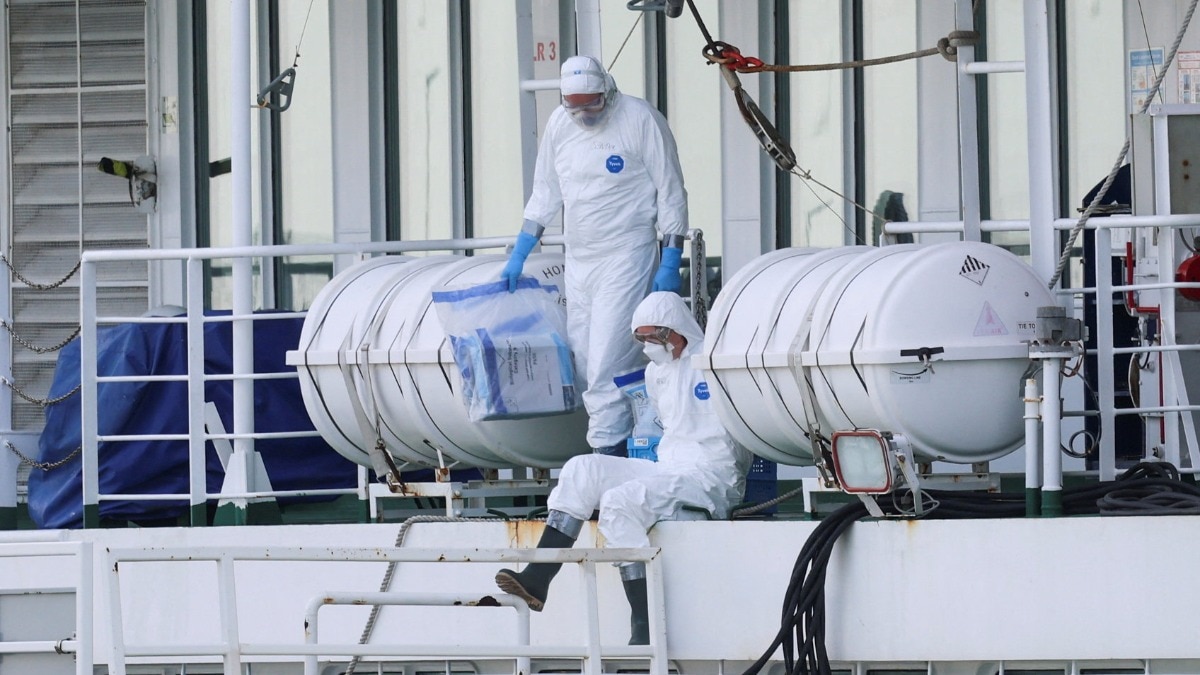
Earlier this week, Iranian state television said a foreign ship became stuck in the strait after ignoring instructions from Iran's paramilitary Revolutionary Guard. However, the vessel's shape, reported location and other details indicate it is linked to Iran and appears to have been stranded for months.
Despite the rising tensions in the Strait of Hormuz, talks on Wednesday showed what Pakistani Foreign Ministry spokesperson Tahir Andrabi described as "positive progress". He said Pakistan hoped the next round of talks would be scheduled as soon as possible after Khamenei's funeral, even as Iran hardened its stand on tanker movement through the strait.
With PTI Inputs
- Ends
Published By:
India Today Web Desk
Published On:
Jul 2, 2026 23:50 IST