1 hour ago
Speaking at a media briefing on Thursday, WHO Director-General Dr. Tedros Adhanom Ghebreyesus said the final individual under observation had tested negative after completing the recommended 42-day quarantine period for hantavirus exposure.
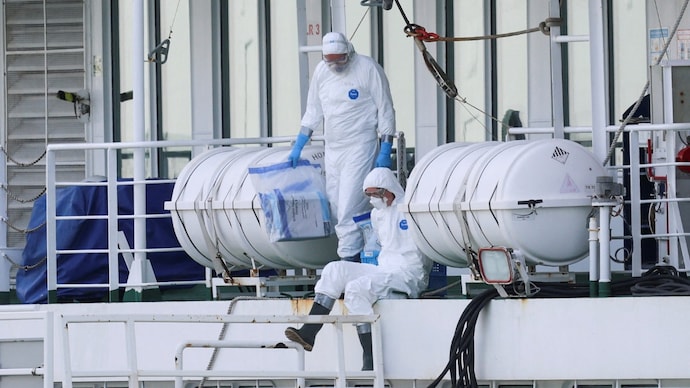
The outbreak resulted in 13 cases in total, including 12 confirmed infections and one probable case. (File Photo: Reuters)

UPDATED: Jul 2, 2026 23:16 IST
The World Health Organization (WHO) has declared the hantavirus outbreak linked to an Antarctic cruise ship officially over after the last person being monitored completed quarantine without developing the disease.
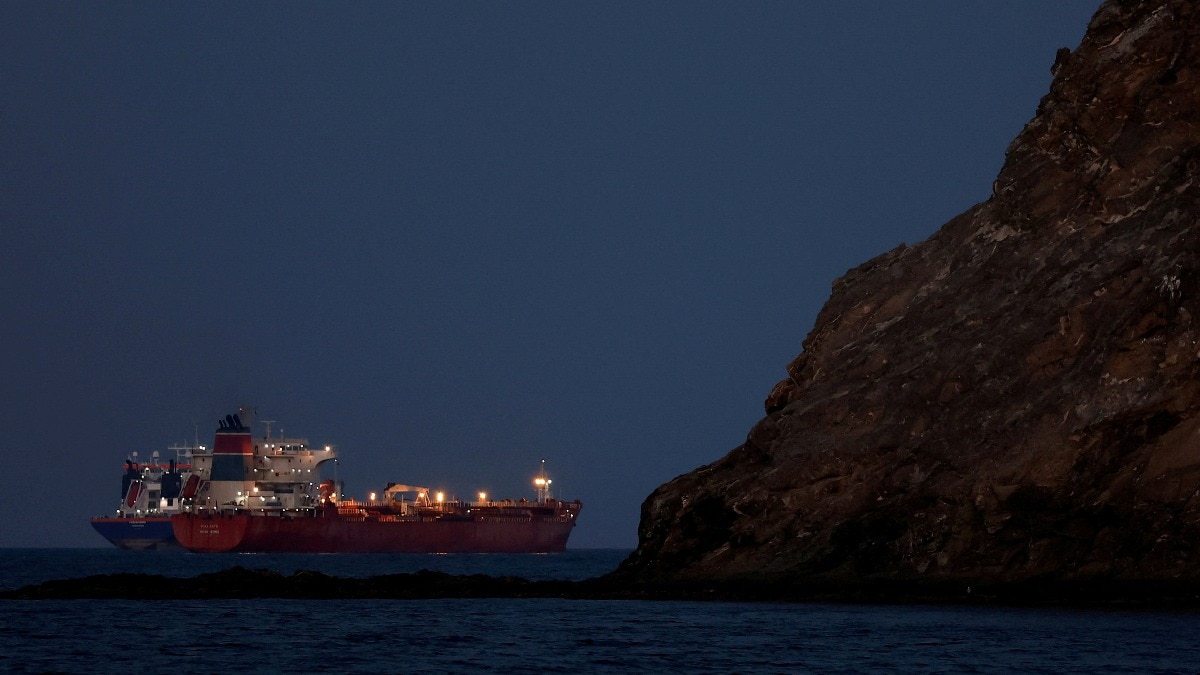
The announcement marks the end of months of international contact tracing and surveillance following an outbreak aboard the MV Hondius that resulted in multiple infections and deaths, prompting health authorities across dozens of countries to monitor hundreds of people who may have been exposed.
Speaking at a media briefing on Thursday, WHO Director-General Dr. Tedros Adhanom Ghebreyesus said the final individual under observation had tested negative after completing the recommended 42-day quarantine period for hantavirus exposure.
The person has since returned home, and no additional infections have been detected since May 25.
OUTBREAK DECLARED OVER
According to the WHO, the outbreak resulted in 13 cases in total, including 12 confirmed infections and one probable case. Three people died during the outbreak, with at least two of those deaths confirmed to have been caused by the virus.
All of the confirmed and probable cases involved passengers or crew members aboard the expedition cruise ship.
The WHO said the response involved an extensive international effort, with health authorities identifying and monitoring more than 650 contacts across 33 countries and territories to prevent further transmission.
Although the outbreak has now ended, the agency said investigations into the virus and its spread will continue.
"Although the outbreak is over, WHO will continue working with governments and partners to advance our understanding of this outbreak and of hantavirus more generally," Tedros said.
He added that the organisation is coordinating an international research project involving 21 countries.
"We are also coordinating a study involving 21 countries to understand how the disease develops, which will support the development of diagnostics, therapeutics and vaccines for future outbreaks," he said.
HOW THE OUTBREAK UNFOLDED
The WHO was first notified on May 2 after reports of a cluster of what was initially described as a "severe acute respiratory illness" among passengers aboard the MV Hondius. At the time, two passengers had died and another was critically ill, prompting an international public health response.
Investigators believe the first known patient was infected before boarding the vessel rather than during the voyage.
According to the WHO's working hypothesis, the individual contracted hantavirus while on land and later travelled on the cruise ship, where the infection is believed to have spread to others.
The outbreak drew global attention because at least 11 confirmed patients tested positive for the Andes virus, a rare strain of hantavirus that is unique among known hantaviruses for its ability to spread from person to person, according to the US Centers for Disease Control and Prevention.
The outbreak triggered one of the largest international contact-tracing operations linked to a cruise ship in recent years.
Passengers returned to their home countries while public health authorities worked together to identify people who may have come into contact with infected travellers. Those considered at risk were placed under monitoring or quarantine for up to 42 days, the recognised incubation period for hantavirus infection.
Last week, quarantine restrictions were also lifted for 18 Americans who had travelled aboard the MV Hondius and were considered close contacts of confirmed cases.
- Ends
Published By:
Satyam Singh
Published On:
Jul 2, 2026 23:16 IST