1 month ago
US and Saudi strikes on PMF bases have pushed Iraq into a fresh confrontation. The flare-up deepens pressure on Ali al-Zaidi to restrain militias without triggering unrest.

Beirut,UPDATED: Jul 29, 2026 21:22 IST
US and Saudi strikes on Iran-allied fighters in Iraq have put the Iraqi government in a difficult position once again, as it tries to balance ties with Washington and Tehran. Since the 2003 US-led invasion, Iraq has sought to avoid becoming a battleground for rival powers, but that task has become harder since the US and Israel went to war with Iran in February.
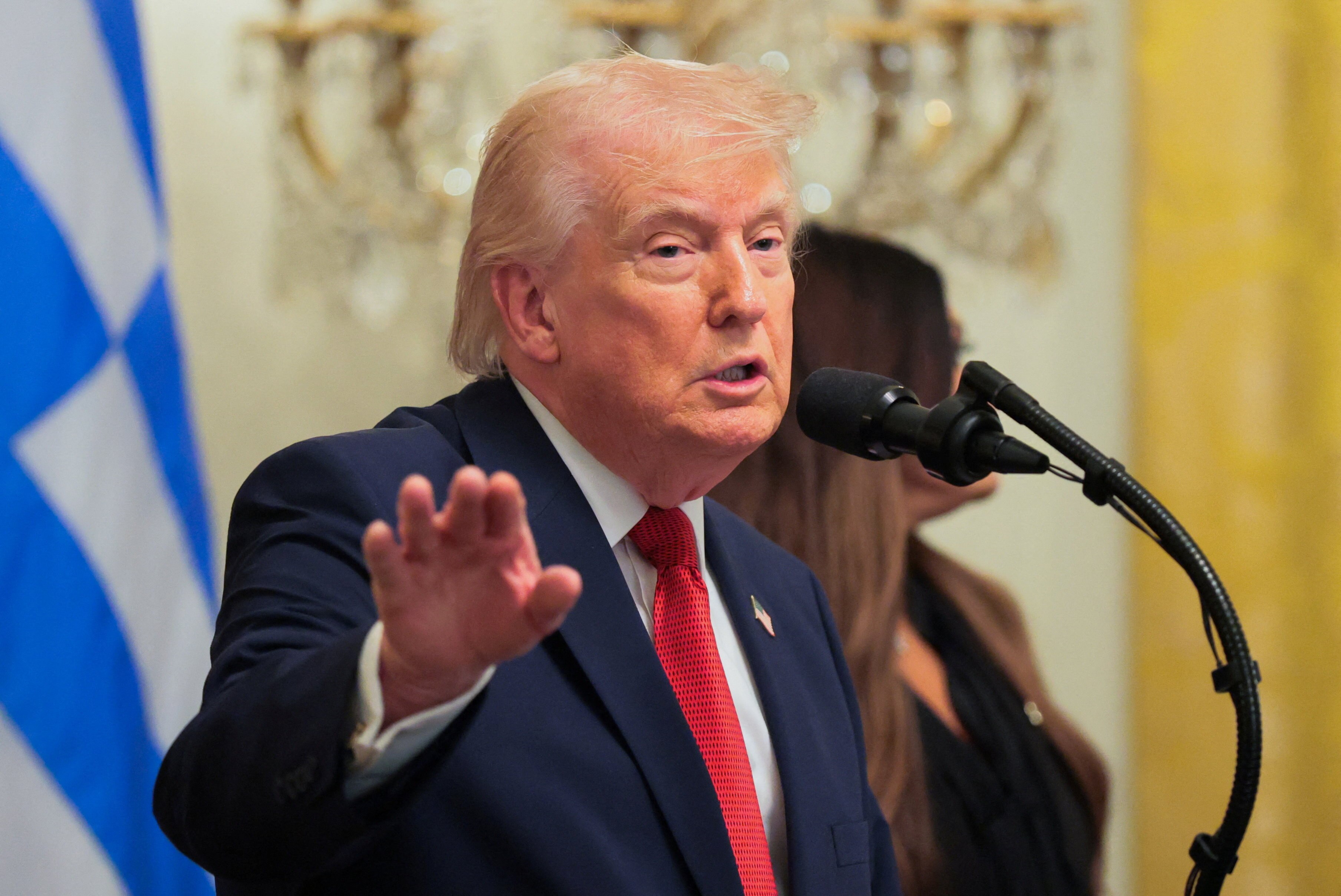
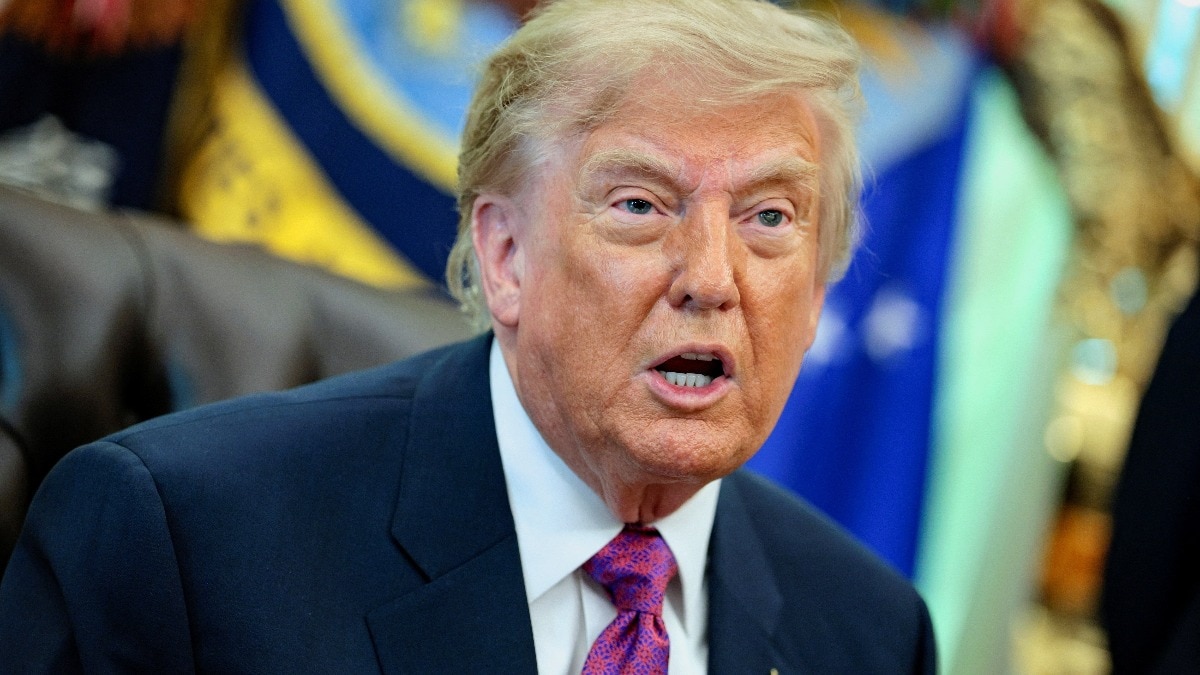
The strikes followed Saudi accusations that Iraqi armed groups had used drones to attack its oil facilities. The attacks in Iraq targeted bases of the Popular Mobilisation Forces, or PMF, a group of armed factions close to Iran that are officially part of Iraq's security forces but often operate outside state control. Prime Minister Ali al-Zaidi, who has been praised by US President Donald Trump, now faces growing pressure to curb the PMF even as any direct confrontation with them risks internal unrest.
The PMF is a coalition of mainly Shiite, Iran-backed armed groups that joined the fight against the Islamic State group after it captured large parts of Iraq in 2014. Some of these factions trace their roots to the Shiite insurgency that followed the 2003 invasion. During the war against IS, the PMF fought alongside a US-led international coalition against the Sunni extremist group.
In 2016, Iraq designated the PMF as an "independent military formation" within the armed forces, but many factions remained largely autonomous. Lahib Higel of the Crisis Group said that despite officially reporting to the Iraqi military command, most PMF brigades "have kind of retained the same command structure as they had when they were their individual groups".
Since the US and Israel attacked Iran on February 28, Iraqi militias have regularly attacked US military bases, diplomatic facilities and other sites, including energy infrastructure.
Saudi Arabia said Iran-backed Iraqi militias launched drone attacks on Monday and Tuesday, some targeting petroleum facilities. The Iraqi armed groups denied any role. The Islamic Resistance in Iraq, an umbrella group of Iran-backed armed factions, called the Saudi allegations "fabrications" and "an attempt to justify their inability to respond to the painful Yemeni strikes that have targeted the heart of their infrastructure". It suggested the attacks were carried out by Yemen's Iran-backed Houthi rebels, who had themselves claimed responsibility for attacks on Saudi oil facilities.
Iraq's Security Council condemned the US-Saudi strikes, saying they killed and injured "a number of innocent people" and undermined the Iraqi state. It said the strikes came while the Iraqi government was actively investigating and trying to address Saudi and American concerns. The council also said Iraq remained committed to ensuring the withdrawal of US forces and consolidating arms under state control.
The PMF said the strikes killed at least 20 of its members and wounded 32. Al-Zaidi had been due to visit Saudi Arabia on Thursday, but the trip was postponed indefinitely after the hostilities.
Al-Zaidi came to power earlier this year as a consensus candidate after months of deadlock following last year's parliamentary elections. He was backed by a coalition of Shiite parties allied with Iran, but also received Trump's support and was welcomed at the White House this month.
The prime minister has promised to disarm non-state groups, saying they will have no justification to keep their weapons after September 30, the deadline for US troops in Iraq to complete their withdrawal. But some of the most powerful factions, especially those closest to Iran, have made clear they do not intend to disarm.
Iraq faces a dilemma similar to Lebanon, where another US-backed government is under pressure to disarm the Iran-backed Hezbollah. Moving too aggressively could trigger fighting in a country with a bitter history of civil conflict. Moving too slowly could invite US anger.
Iraq's situation is in some ways easier because some PMF factions could be integrated into the armed forces and brought fully under military command. Others, including the powerful Kataib Hezbollah, which is especially close to Iran, have refused. Higel said, "Everyone knows that this is a process that is going to take months if not years," adding, "And you only have a handful that have agreed to it, while those that are the sort of self-described resistance groups have rejected it."
She said that as long as the US-Iran war continues, the holdout groups are unlikely to give in. They "view themselves as a part of Iran's regional network. And this is their moment to fight". The latest strikes have again highlighted how Iraq's effort to keep state control over arms while managing pressure from both the US and Iran remains deeply fraught.
With PTI Inputs
- Ends
Published By:
India Today Web Desk
Published On:
Jul 29, 2026 21:22 IST